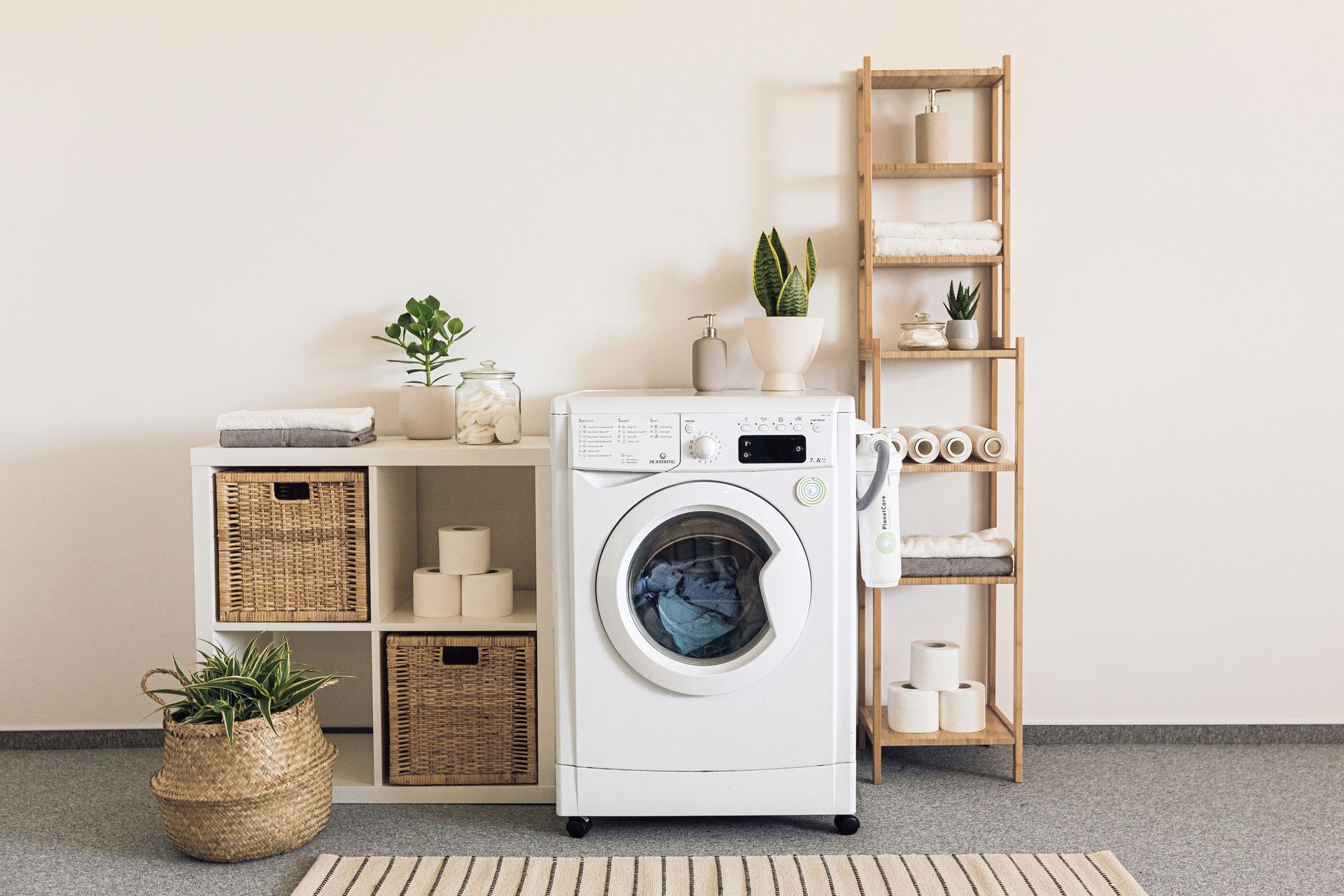
Storing a washing machine requires more than simply unplugging it and moving it into a storage unit. This type of appliance contains internal components that are sensitive to moisture, temperature shifts, and improper positioning. Without the right preparation, even short-term storage can lead to mold, corrosion, or mechanical issues that may not be visible until the machine is used again.
Across the United States, storage needs vary significantly depending on location. From the humid air in Florida and Louisiana to the freezing winters in Michigan and North Dakota, each environment introduces different risks. That is why proper preparation is essential before placing a washing machine into storage.
Individuals and families in states such as Texas, Georgia, Illinois, and Colorado rely on
secure and adaptable storage spaces such as The Store Advantage to protect large appliances. Understanding how to store a washing machine correctly helps preserve its condition, no matter the region or duration of storage.
Why Proper Washing Machine Storage Matters
A washing machine is built with a combination of electrical components, metal parts, hoses, and rubber seals. Each of these elements reacts differently to environmental changes. Moisture can lead to mildew and mold growth, while extreme cold can cause water trapped inside hoses to freeze and expand, potentially cracking internal lines.
In southern states like Mississippi, Alabama, and South Carolina, humidity is a constant concern. Even a small amount of trapped moisture can quickly develop into a larger issue, especially in enclosed storage spaces. Meanwhile, in northern states such as Massachusetts, New York, and Ohio, freezing temperatures can damage components if water is not fully drained.
The U.S. Department of Energy emphasizes that proper care and maintenance of appliances can extend their lifespan and improve efficiency. Storage is a critical part of that care, particularly when appliances are not in use for extended periods.
Step-by-Step Guide on How to Store a Washing Machine
1. Disconnect the Machine Safely
Start by unplugging the washing machine and turning off the water supply. Disconnect both the hot and cold water hoses carefully, allowing any remaining water to drain into a bucket or towel. This step requires patience. Rushing can leave water inside the system, which is one of the leading causes of damage during storage. In colder states like North Dakota or Nebraska, leftover water can freeze and expand, creating cracks in hoses or valves.
2. Perform a Deep Clean
Cleaning the washing machine before storage prevents residue buildup and unpleasant odors. Run an empty cycle with hot water and white vinegar to remove detergent residue and bacteria. After the cycle, wipe down all surfaces, including the drum, door, and detergent tray. Leave the door open for several hours to allow air circulation and ensure everything dries completely.
3. Dry Every Component Thoroughly
Drying is one of the most important steps in preparing a washing machine for storage. Moisture left behind can lead to mold growth, especially in humid climates like Florida, Georgia, and Louisiana. Pay close attention to areas where water tends to collect, such as rubber seals and hose connections. Use a clean cloth to remove any remaining moisture, and allow time for natural air drying.
4. Remove and Store Hoses Separately
Detach all hoses and drain them completely. Store them in a labeled bag or container to keep them organized and protected. Keeping hoses separate prevents unnecessary strain on the machine and reduces the risk of internal leaks. It also makes reinstallation easier when the machine is ready to be used again.
5. Secure the Drum
The drum inside a washing machine is designed to move during operation, but it should remain stable during storage and transport. If you still have the original shipping bolts, reinstall them to lock the drum in place. If those bolts are not available, consider using padding to minimize movement. This step helps prevent internal damage, especially when moving the appliance into storage.
6. Wrap and Protect the Exterior
Use breathable materials such as cloth covers or moving blankets to wrap the washing machine. Avoid airtight plastic coverings that can trap moisture and create condensation. In warmer states like Texas and New Mexico, airflow is important to prevent heat buildup. In coastal areas like Oregon, breathable protection helps manage moisture from the surrounding environment.
7. Store the Machine Upright
Always store a washing machine in an upright position. Placing it on its side or back can damage internal components and cause oil or water to shift into areas where they do not belong. Position the machine on a flat, stable surface within the storage unit. This ensures balance and reduces the risk of tipping or shifting over time.
Recommended Storage Conditions by Region
Different regions require different storage strategies. Climate plays a major role in how appliances should be stored to avoid damage.