Finding Self Storage in Florida
Florida's rapid population growth-the state added over 467,000 residents from 2023 to 2024 according to the U.S. Census Bureau-drives consistent demand for moving storage. Military families stationed at NAS Pensacola or Tyndall Air Force Base, retirees settling into 55+ communities near Coleman, and professionals relocating for work along the Space Coast all create distinct storage needs across the state's diverse regions.
Snowbirds returning north for summer months often store furniture, vehicles, and personal items until they return in fall. Florida's humid subtropical climate also makes proper storage planning essential, particularly for temperature-sensitive belongings that could be damaged by heat and moisture during the long summer season.
Marketing.Storage Store locator is loading
Self Storage in Florida: What to Know Before You Rent
Hurricane season runs from June 1 through November 30, with peak storm activity between August and October. Renters in coastal areas like Pensacola, Panama City, and Cocoa often use climate-controlled storage to safeguard electronics, documents, and furniture during unpredictable weather. Elevated facilities and sturdy construction offer additional protection when storms threaten the Gulf Coast or Atlantic shoreline.
Regional differences matter when selecting storage in Florida. The Panhandle experiences cooler winters than South Florida but shares the same humidity challenges. Central Florida locations near Auburndale and Coleman serve the state's large retiree population, while Space Coast facilities near Cocoa accommodate aerospace workers and seasonal residents alike.
Storage Unit Sizes and Features in Florida
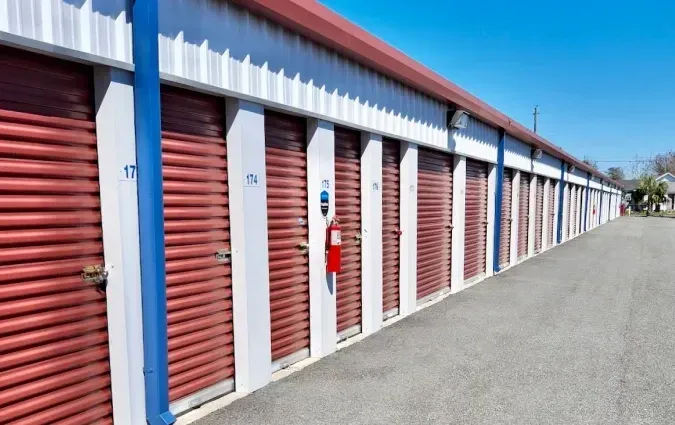
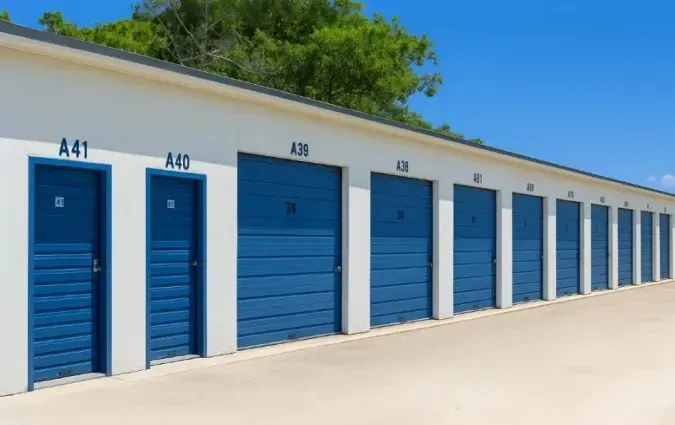
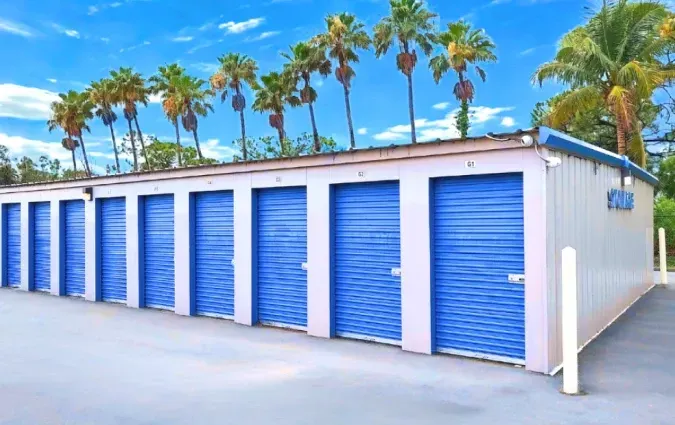
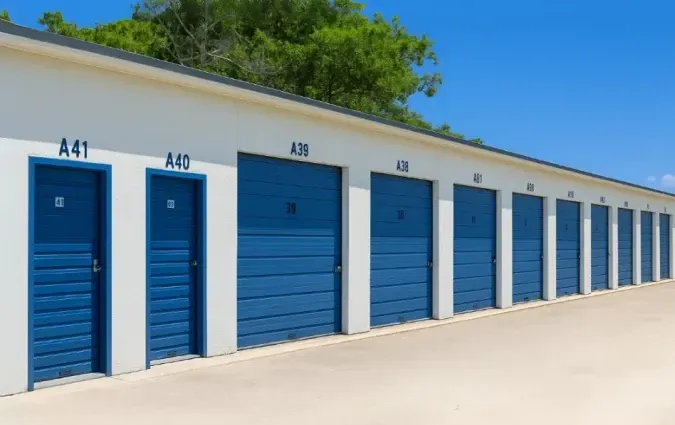
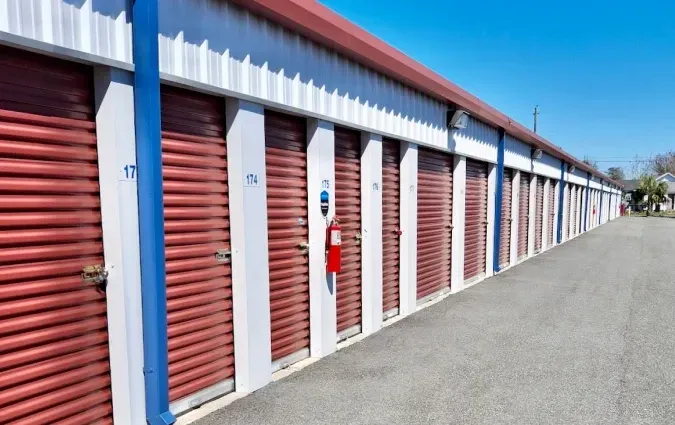
Security features common at Florida facilities include gated entry with personalized access codes, video surveillance, and individually alarmed units. Drive-up storage allows direct vehicle access for loading heavy furniture or equipment-useful when storing household goods during a renovation or clearing out a home during a move. Access hours typically extend from early morning through late evening to accommodate varied schedules.
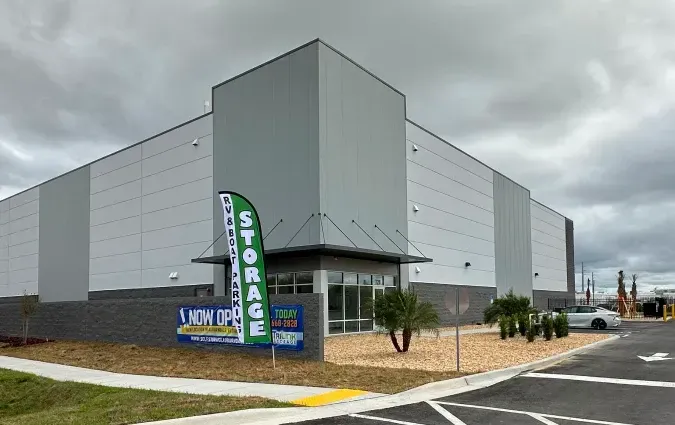
Military families facing PCS orders from NAS Pensacola or Tyndall AFB often need flexible month-to-month leases that accommodate unpredictable deployment schedules. Florida's boating culture also creates demand for covered and uncovered vehicle storage to protect boats, RVs, and recreational vehicles from sun exposure and salt air between outings on the Gulf or Atlantic.
Frequently Asked Questions About Self Storage in Florida
Q: Do I need climate-controlled storage in Florida?
Climate control is strongly recommended for most stored items in Florida due to year-round humidity that averages 75% and summer temperatures exceeding 90°F. Wood furniture, electronics, photographs, leather goods, and documents are particularly vulnerable to moisture damage without temperature and humidity regulation. Review our self storage FAQ for more guidance on protecting specific items.
Q: How do I protect my belongings during Florida's hurricane season?
Choose facilities with sturdy construction, elevated floors, and backup power for climate systems. Store valuables in waterproof containers and keep important documents in sealed bags. Interior units on upper floors offer additional protection from potential flooding. Our storage tips cover packing strategies that help safeguard belongings during severe weather events.
Q: What storage options work for Florida snowbirds?
Seasonal residents typically rent climate-controlled units to store furniture, household items, and vehicles while spending summer months up north. Florida's snowbird population of roughly one million residents creates steady demand for flexible month-to-month leases from October through April. Many facilities also offer RV storage for snowbirds who drive recreational vehicles between seasonal homes.
Find the Right Storage Unit in Florida
Browse storage facilities throughout Florida to compare sizes, features, and prices near you.