Rent online in minutes
Contact Us
We will get back to you as soon as possible.
Please try again later.
Check out all 4,000+ of our locations on a map by clicking "Find Storage" in the menu!

4.8
Climate-Controlled Storage
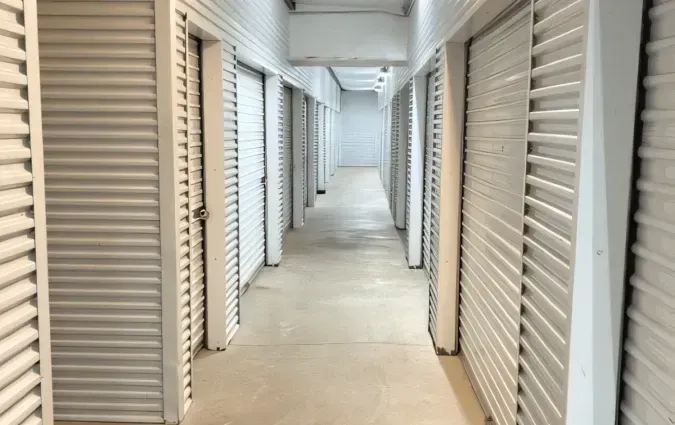
What Climate-Controlled Storage Actually Means
Climate-controlled storage gets mentioned a lot in the self storage world, but what it actually delivers is more specific than most people assume. A true climate-controlled unit does two things: it regulates temperature within a consistent range (typically between 55 and 85 degrees Fahrenheit year-round) and it manages humidity levels to prevent moisture buildup inside the space. That second part is what separates climate-controlled storage from units that are simply "temperature-controlled" or "heated and cooled" - humidity regulation is where the real protection happens for items that are vulnerable to environmental conditions.
Standard storage units, by contrast, are essentially enclosed outdoor spaces. They keep rain off your belongings and provide a locked door, but the air inside follows whatever is happening outside. In a Texas summer, the inside of a standard unit can easily exceed 120 degrees. In a Michigan winter, it can drop below freezing. Add humidity swings on top of that, and you've got conditions that accelerate damage to anything organic, electronic, or adhesive-based.
Not everything needs climate control, and paying for it when you don't need it is money wasted. But for items that are sensitive to heat, cold, or moisture - and for storage periods longer than a few weeks - it's the difference between pulling your belongings out in the same condition they went in and discovering warped wood, corroded electronics, or mold-covered documents.
When evaluating climate-controlled options, look beyond the label. Ask what temperature range the facility maintains and whether humidity is actively managed or just a side effect of air conditioning. Units located inside fully enclosed buildings tend to perform better than exterior units with individual HVAC systems, simply because the building envelope provides a more stable baseline. Security is typically stronger too, since interior units are accessed through hallways rather than exterior roll-up doors.
The Storage Advantage lets you filter for climate-controlled units across facilities nationwide, so you can compare what's available near you and see which locations offer the level of environmental protection your belongings actually need.
What Climate-Controlled Storage Protects Against
Understanding the specific threats that climate control addresses helps you decide whether it's the right investment for what you're storing. It comes down to three categories of environmental damage that standard units can't prevent.
Temperature Extremes
Sustained high heat and deep cold do different kinds of damage, but both are destructive over time. In hot conditions, adhesives soften and fail - this affects everything from laminated documents and photo albums to furniture joints held together with glue. Vinyl records warp. Candles, crayons, and cosmetics melt or deform. Leather dries out, cracks, and becomes brittle. Rubber seals on appliances and equipment degrade faster. In cold conditions, the damage shifts. Wood contracts and can crack or split at joints. LCD screens in electronics become vulnerable to pressure damage. Liquids freeze and expand, potentially rupturing containers. Musical instruments made of solid wood - guitars, violins, pianos - are especially sensitive to temperature swings because the wood expands and contracts at different rates than the metal strings, tuning pins, and hardware attached to it. Climate-controlled units eliminate these extremes by holding temperature within a narrow range where materials stay dimensionally stable and chemically inert.
Humidity and Moisture
Humidity is the less obvious but often more destructive threat. When warm, moist air contacts a cooler surface, condensation forms - and inside a storage unit, that moisture has nowhere to go. Over weeks and months, elevated humidity creates the conditions for mold and mildew to grow on fabric, paper, leather, and wood surfaces. Paper documents yellow, warp, and stick together. Photographs develop spots and lose detail. Metal tools, electronics, and appliance components corrode and rust. Fabric stored in humid conditions develops a musty smell that's nearly impossible to eliminate. The damage is cumulative and often invisible until it's too late to reverse. Climate-controlled units actively manage humidity, typically keeping it below 55% relative humidity - the threshold below which mold growth becomes unlikely and corrosion rates drop significantly. This is particularly important in coastal areas, the Southeast, the Gulf states, and anywhere with hot, humid summers where outdoor humidity regularly exceeds 80%.
Dust, Pests, and Air Quality
This benefit is more about construction than technology, but it matters. Climate-controlled units are almost always located inside fully enclosed, sealed buildings rather than in rows of exterior metal units with roll-up doors. That building envelope keeps out significantly more dust, dirt, and airborne debris than a standard outdoor unit. The sealed environment also makes it harder for insects, rodents, and other pests to access the space - a genuine advantage for anyone storing upholstered furniture, paper goods, or food-adjacent business inventory.
Indoor storage facilities generally provide this level of environmental separation as a baseline, and climate control builds on top of it with active temperature and humidity management.
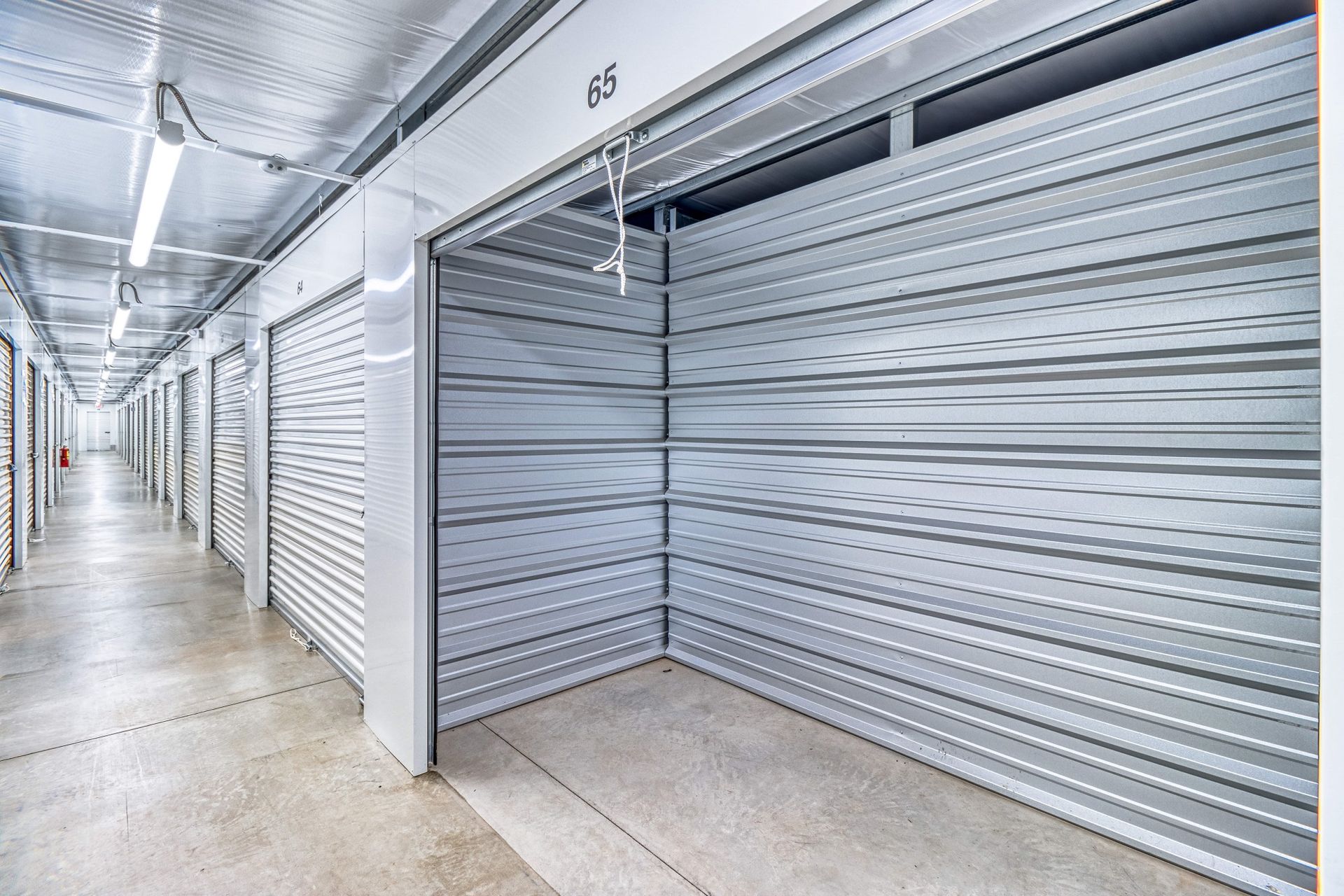
Items That Belong in Climate-Controlled Storage
Not everything in your house or business needs climate control, but some items are genuinely at risk without it. Here's where it makes the biggest difference.
Documents, Books, and Paper Records
Paper is highly sensitive to both humidity and temperature. Important legal documents, tax records, medical files, family photographs, book collections, and archived business records all benefit from the stable conditions a climate-controlled unit provides. Law firms, accounting offices, and medical practices with retention requirements should treat climate control as a baseline for business storage rather than an optional upgrade.
Electronics, Media, and Digital Equipment
Computers, televisions, gaming consoles, audio equipment, servers, and external drives are all vulnerable to condensation, heat, and static charge buildup caused by humidity fluctuations. If you're storing electronics for more than a few weeks, climate control protects internal components from the invisible moisture damage that leads to circuit board corrosion, screen delamination, and data loss.
Wood and Leather Furniture
Solid wood furniture, antiques, leather sofas, and upholstered pieces absorb and release moisture as humidity changes. Over time, this causes wood to warp, crack, or develop mold in the grain. Leather dries out and splits. Fabric develops mildew and odor. If you're storing household furniture during a move, renovation, or downsizing, climate control keeps it in the condition it was in when it went into storage.
Artwork, Musical Instruments, and Collectibles
Paintings on canvas expand and contract with humidity changes, causing cracking in the paint layer. Framed art can develop condensation between the glass and the piece. Guitars, pianos, and string instruments warp and go out of tune in unstable conditions. Collectibles like vinyl records, comic books, stamps, trading cards, and vintage memorabilia hold their value only when stored properly. These items are often irreplaceable, making climate control an obvious choice.
Specialty Business Inventory
Pharmaceutical products, cosmetics, wine, specialty foods, and fabric-based retail goods all have temperature and humidity sensitivities that standard units can't accommodate. A climate-controlled unit with consistent conditions protects inventory from spoilage, degradation, and quality loss - keeping your stock sellable rather than turning it into shrinkage. See the storage unit size guide to find the right unit dimensions for your inventory volume.
Climate-Controlled Storage Questions, Answered
Is climate-controlled storage worth the extra cost?
If what you're storing is sensitive to heat, cold, or humidity, yes. The monthly premium for climate control is typically 20-30% more than a comparable standard unit - a meaningful but manageable difference that's almost always less expensive than replacing damaged furniture, electronics, or documents. For durable, weather-resistant items like metal tools or plastic bins of holiday decorations, standard storage is usually fine.
What temperature range do climate-controlled units maintain?
Most climate-controlled facilities maintain interior temperatures between 55 and 85 degrees Fahrenheit year-round, with humidity held below 55% relative humidity. The exact range varies by facility, and some maintain tighter windows than others. If you're storing something with specific environmental requirements, ask the facility for their maintained range before renting.
What's the difference between climate-controlled and temperature-controlled storage?
Temperature-controlled storage regulates heat and cold but does not actively manage humidity. Climate-controlled storage does both. The distinction matters because humidity is responsible for mold growth, corrosion, paper degradation, and many of the most common types of storage-related damage. If you're storing items sensitive to moisture, make sure the unit offers true climate control with humidity management, not just heating and cooling.
Do I need climate control for short-term storage?
For storage lasting less than a month in moderate weather, most items will be fine in a standard unit. The risk increases with duration and seasonal extremes. Storing through a full summer in the South, a winter in the Midwest, or any extended period in a coastal or humid climate is where climate control makes the biggest difference. The longer items sit, the more cumulative damage from temperature and humidity swings adds up.
What items should definitely NOT go in a standard unit?
Anything made of or containing wood, leather, paper, fabric, electronics, adhesives, or organic materials is at elevated risk in a standard unit during temperature and humidity extremes. Specifically: wooden furniture, leather goods, photo albums, important documents, computers, musical instruments, artwork, wine, and pharmaceutical or cosmetic products. If replacing the item would be expensive, difficult, or impossible, climate control is the safer bet.
Are climate-controlled units available in all sizes?
Climate-controlled units are generally available from small locker-size spaces (5x5) up to large units (10x30 or bigger), but availability varies by facility. Some locations offer climate control only in smaller indoor units, while others have it across a full range of sizes including drive-up accessible units. Filter for climate-controlled options on The Storage Advantage to see what sizes are available at facilities near you.
Find Climate-Controlled Storage Near You
Climate control isn't always necessary, but when it is, it's not something to skip. Search climate-controlled storage options on The Storage Advantage to compare facilities by location, unit size, and features, and lock in the right level of protection for what you're storing.