Rent online in minutes
Contact Us
We will get back to you as soon as possible.
Please try again later.
Check out all 4,000+ of our locations on a map by clicking "Find Storage" in the menu!

4.8
Finding Self Storage in Columbus, OH
Marketing.Storage Store locator is loading
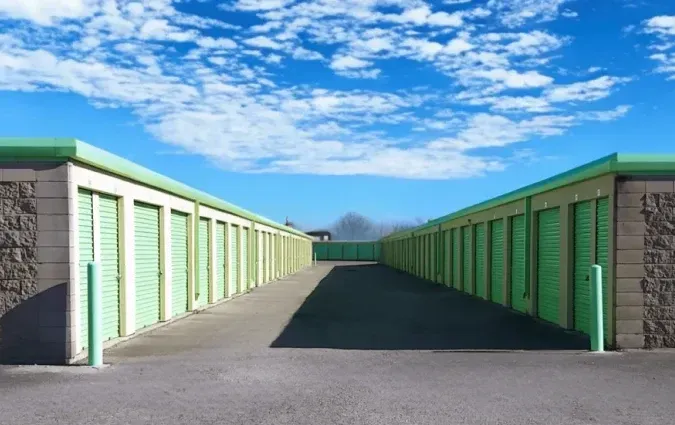 Ohio
Ohio
TriLink Storage | Georgesville Rd
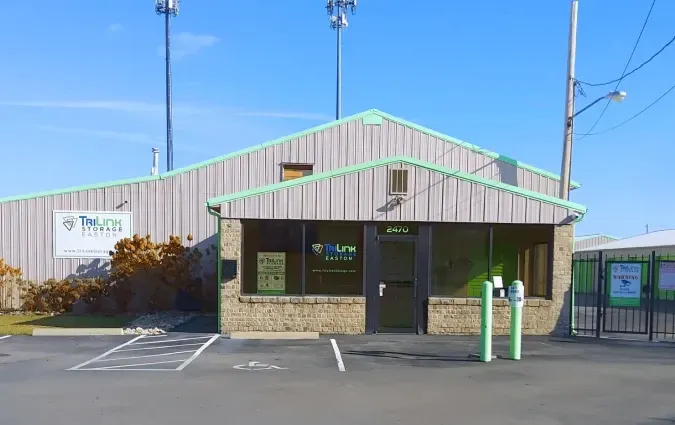 Ohio
Ohio
TriLink Storage | Sunbury Road
Columbus is Ohio's capital city and its largest, with a population of 933,263 in 2024 - the highest in the city's history, surpassing Cleveland's 1950 peak. Franklin County added 17,400 residents that year, reaching 1,356,303 people. The Columbus metro area now exceeds 2.2 million residents across ten counties, and regional projections put Central Ohio on track for 3.15 million residents by 2050. That growth - driven by workforce in-migration, a young median age of 33.2, and major technology and manufacturing investment - makes Columbus one of the fastest-growing large cities in the Midwest.
The economy underpinning that growth is unusually diverse. Ohio State University, with 65,000 students and an estimated $19 billion annual economic impact, is the single largest institutional anchor. The state government provides a second major employment base. Corporate headquarters include five Fortune 500 companies: Cardinal Health, Nationwide Insurance, American Electric Power, Huntington Bank, and Bath & Body Works. JPMorgan Chase and the financial sector, retail and fashion (Victoria's Secret, Abercrombie & Fitch, L Brands), and healthcare anchored by OhioHealth and Nationwide Children's Hospital round out a notably diversified economy. For a broader look at storage throughout the state,
self storage in Ohio connects you to facilities across Central Ohio and beyond.
Columbus's Tech Transformation and What It Means for the Storage Market
In the 2020s, Columbus began a second economic identity as the 'Silicon Heartland.' Intel announced plans for a $20 billion semiconductor manufacturing campus in New Albany, just northeast of Columbus, creating an estimated 3,000 direct jobs and serving as the anchor for a semiconductor supply chain cluster that attracted 31 affiliated manufacturers and suppliers. Amazon Web Services has committed $10 billion toward Ohio data center expansion through 2030, building on more than $6 billion already invested. Google has invested over $5 billion in Central Ohio data centers since 2019, with two new campuses planned for the Columbus region. Microsoft is constructing three data center campuses. Meta, Cologix, and other hyperscale operators have established or announced facilities in the region. By 2026, Columbus is projected to become the second-largest data center hub in the Great Lakes region, trailing only Chicago.
The storage market implications are direct. The tech investment cycle generates several storage demand streams: engineers relocating from coastal metros - over 42% of Columbus in-migrants have college degrees - who need transitional storage before settling permanently; construction workforce for megaprojects like Intel and Amazon, many in temporary housing; and the general compression of Franklin County's housing market as rapid population growth outpaces new construction. Columbus's median home price of roughly $275,000 remains below most major Midwest metros, but rising values and limited inventory have increased transitional household activity - moves between rentals, waits on new construction closings, and downsizes from houses to urban apartments. The
climate-controlled storage and
business storage options available across Franklin County serve households and commercial customers navigating these transitions.
Columbus's Climate and Four-Season Storage Considerations
Columbus has a humid continental climate (Köppen Dfa) - four distinct seasons with hot, humid summers, cold snowy winters, and approximately 40 inches of annual precipitation. Summer highs reach the low to mid-80s°F with humidity averaging around 75%, creating conditions where non-climate-controlled storage can affect electronics, documents, wood furniture, and fabrics between June and August. Winter temperatures average in the low 30s°F in January, with overnight lows routinely in the low 20s and occasional drops below 0°F with wind chill. That roughly 60°F seasonal swing in average daily highs makes Columbus a market where climate-controlled units protect temperature-sensitive belongings year-round. May brings the heaviest monthly rainfall, and severe thunderstorms with hail are possible in spring and early summer. Ohio sits within the broader tornado belt, and periodic severe weather events affect Franklin County each year.
Self Storage Across Columbus and Franklin County
Columbus covers approximately 225 square miles within Franklin County — one of the larger city footprints in the Midwest, a result of decades of aggressive annexation that absorbed many suburban communities. Neighborhoods range from dense urban cores near OSU and downtown to post-war residential zones, industrial corridors, and newer suburban developments on the outer ring.
- Downtown / Short North / German Village: The urban core from the Ohio Statehouse north through the Short North Arts District and south through German Village is Columbus's most concentrated employment, entertainment, and high-density residential zone. The Short North, centered on North High Street between downtown and OSU, has evolved into a gallery and restaurant district with over 300 businesses and premium rents averaging $1,620/month for a one-bedroom. German Village, a National Register historic district of 1,800 19th-century brick buildings south of downtown, commands median home prices near $786,000 as of early 2026. Residents in these dense neighborhoods — many in historic buildings with limited closet and basement space — use storage for seasonal items, sports equipment, and belongings that don't fit their urban footprint. The Arena District and Nationwide Arena entertainment complex add office workers and hospitality employees to the storage market.
- University District / OSU Campus Area: Ohio State University and the surrounding University District — 13 sub-neighborhoods stretching north of campus along High Street — form one of the largest student-housing markets in the United States. Student storage demand is cyclical and high-volume: summer storage for students vacating apartments, inter-semester storage for international students, and long-term storage for graduate students and faculty. OSU employs an estimated 117,000 people when direct and indirect employment is counted, and the university's Wexner Medical Center expansion makes the OSU footprint relevant to healthcare worker relocation storage as well. Adjacent Italian Village and Victorian Village have seen rapid appreciation — Italian Village median home prices near $599,000 — driving renters and buyers into transitional storage during moves.
- Easton / Northeast Columbus: The Easton corridor northeast of downtown along Sunbury Road and the I-270 beltway represents one of Columbus's primary commercial and mixed-use growth zones. Easton Town Center, a large outdoor retail and entertainment destination, anchors significant employment along this corridor. The area also borders the John Glenn Columbus International Airport (CMH) service zone, which generates storage demand from aviation workers, flight crews in transitional housing, and households near one of Ohio's busiest travel hubs. The zip code 43219 around Sunbury Road captures the residential neighborhoods east of Easton, a mix of post-war owner-occupied housing and newer apartment complexes serving the growing northeast quadrant.
- Georgesville / West Columbus / Hilliard Corridor: West Columbus along Georgesville Road and the I-70 corridor toward Hilliard encompasses working-class residential neighborhoods, light industrial zones, and the western suburban fringe. This corridor connects to Grove City to the south, one of the Columbus metro's fastest-growing suburbs at 44,019 residents. West Columbus skews toward owner-occupied households in affordable mid-20th-century housing stock, with a significant proportion of workers in manufacturing, logistics, and construction. Drive-up storage units serve households with tools, equipment, vehicles, and seasonal items.
- Franklinton / Near West Side: Franklinton, Columbus's oldest neighborhood (founded 1797, predating the city itself), sits directly west of downtown across the Scioto River. After decades of disinvestment, it has undergone arts-led revitalization with galleries, creative studios, food halls, and live music venues. Active new housing and commercial development creates storage demand at both ends: long-term residents relocating as rents rise, and newcomers in temporary housing while construction completes. Columbus Underground rated Franklinton among the top neighborhoods for revitalization potential through multiple annual surveys.
- New Albany / Intel Corridor / Northeast Franklin County: New Albany, approximately 18 miles northeast of downtown, has emerged as the epicenter of Ohio's semiconductor build-out. Intel's $20 billion campus is located here, adjacent to a 215-acre site for supplier and support facilities. New Albany already housed corporate campuses for several major companies and premium residential development. Storage demand in this corridor is driven by the construction and engineering workforce on multi-year assignments — contractors, tradespeople, and technical workers arriving from across the country — as well as the permanent workforce that will staff the facilities.
Premier Storage in New Albany(13761 Lucille Lynd Rd) is positioned directly in this corridor.
Frequently Asked Questions About Self Storage in Columbus, Ohio
What storage options work for OSU students or new Columbus arrivals?
The two most common Columbus scenarios are students needing summer storage and new arrivals relocating for work in the tech or healthcare sectors. For students, a 5x5 or 5x10 handles a dorm room or small apartment; a 10x10 covers a full apartment with furniture. Month-to-month terms fit the academic calendar. For professionals relocating for positions at OSU, Intel, Amazon Web Services, or a corporate headquarters in Franklin County, a 10x15 or 10x20 covers a household during the gap before a permanent address. The storage unit size guide provides visual comparisons. Columbus offers two TriLink facilities: TriLink at 2470 Sunbury Rd in the Easton area (northeast Columbus, zip 43219) and TriLink at 435 Georgesville Rd in west Columbus (zip 43228).
Are there storage options near the Intel campus or New Albany tech corridor?
The New Albany and northeast Columbus corridor has seen the most concentrated new workforce activity of any area in Central Ohio, driven by the Intel campus build-out and the cluster of suppliers and contractors arriving alongside it. Premier Storage on Lucille Lynd Rd in New Albany serves this corridor directly. For Grove City and southwest Columbus, TriLink Storage in Grove City(5965 Haughn Rd) covers the fast-growing southwestern suburbs. See the self storage FAQ for guidance on unit selection and access options.
Find the Right Storage Unit in Columbus
Columbus's storage market reflects the forces reshaping one of the Midwest's most dynamic cities: a population approaching one million and growing, a semiconductor and data center investment wave bringing tens of thousands of workers to Central Ohio, a housing market where limited inventory has increased transitional household activity, and one of the nation's largest university communities cycling through moves twice a year. Whether you are a student at Ohio State, a professional relocating for a position in the tech or healthcare sector, or a long-term Franklin County resident managing a household move, storage options across Columbus serve the full spectrum of needs.
Self storage in Ohio connects you to facilities throughout Franklin County and the broader Central Ohio region.
Browse storage facilities in Columbus to compare unit sizes and pricing.