Rent online in minutes
Contact Us
We will get back to you as soon as possible.
Please try again later.
Check out all 4,000+ of our locations on a map by clicking "Find Storage" in the menu!

4.8
Warehouse Storage
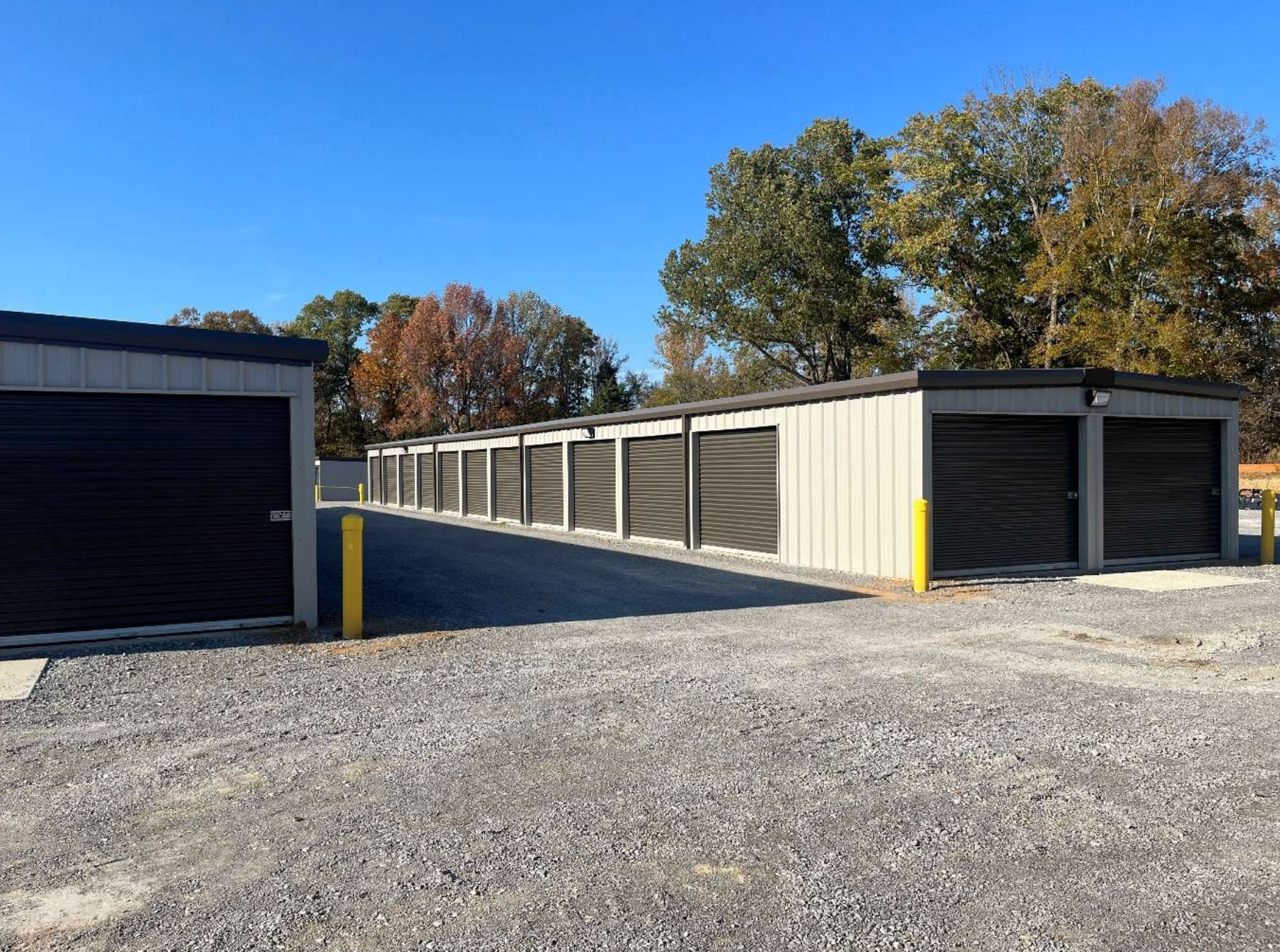
Warehouse Storage: When Standard Units Aren't Big Enough
There's a point where a standard storage unit stops making sense. You've filled a 10x20 and you're stacking pallets on top of each other. Your inventory needs racking, not floor space. The equipment you're storing requires a forklift to move, and the ceiling in a typical unit is too low to stack anything efficiently. You need more room, better access, and infrastructure designed for commercial-scale operations, but signing a five-year industrial warehouse lease for what might be a seasonal or transitional need feels like overkill.
Warehouse storage fills that gap. These are larger spaces, often starting at several hundred square feet and going up from there, with the ceiling height, loading access, and floor capacity to handle palletized goods, heavy equipment, bulk materials, and high-volume inventory. They function like a commercial warehouse without the long-term lease commitment, triple-net costs, and buildout requirements that come with traditional industrial real estate.
The distinction between warehouse storage and a standard self storage unit comes down to scale and infrastructure. Standard units top out around 10x30 or 10x40, have 8-to-10-foot ceilings, and are accessed through roll-up doors sized for hand trucks and dollies. Warehouse spaces offer significantly more square footage, ceilings high enough for pallet racking, and access points designed for box trucks, forklifts, and heavy equipment. Some include loading dock access for freight and LTL deliveries. The environment is built for business operations that generate regular, high-volume traffic rather than occasional personal visits.
When evaluating warehouse storage, focus on access infrastructure first. Can a box truck or delivery vehicle get to your space easily? Are the doors and corridors wide enough for a pallet jack or forklift? Is the floor rated for the weight you're putting on it? Beyond that, check security standards (gated entry, individual access, cameras), operating hours, and whether the space can scale up or down as your needs change. Month-to-month terms are common and valuable, especially for businesses with seasonal inventory cycles or project-based storage needs.
The Storage Advantage lets you search and compare warehouse storage options across
multiple facilities, filtering by size, features, and access to find space that matches your operation.
What Sets Warehouse Storage Apart From Standard Units
Warehouse storage isn't just a bigger version of a self storage unit. The differences go beyond square footage and affect how you use the space day to day.
Scale and Dimensions
Standard self storage units max out around 300-400 square feet with ceilings between 8 and 10 feet. That's enough for household furniture, personal belongings, and small business inventory, but it hits a wall fast when you're dealing with palletized goods, stacked materials, or equipment that doesn't break down into neat boxes. Warehouse storage starts where standard units leave off. Spaces commonly range from 500 to several thousand square feet, with ceiling heights of 12 to 20 feet or more. That vertical space matters because it lets you install pallet racking and stack inventory efficiently rather than spreading everything across the floor. For businesses storing bulk materials, construction supplies, or high-volume product inventory, the combination of floor area and ceiling height in a warehouse space translates directly into better organization and more usable capacity per dollar spent.
Loading and Access Infrastructure
Getting inventory in and out of a standard drive-up storage unit works fine when you're hand-carrying boxes or rolling furniture on a dolly. It doesn't work when you're receiving a freight shipment on a 53-foot trailer or moving a pallet of product with a forklift. Warehouse storage is built for that kind of traffic. Many warehouse spaces include loading dock access at truck-bed height, allowing direct transfer from delivery vehicles without a liftgate. Roll-up doors are wider and taller than standard unit doors, sized to accommodate forklifts, pallet jacks, and large equipment. Drive aisles are designed for commercial vehicle maneuverability rather than personal cars and pickup trucks. If your storage operation involves regular deliveries, frequent inventory rotation, or equipment that requires mechanical handling, the access infrastructure in a warehouse space eliminates bottlenecks that would make a standard unit impractical.
Flexibility Without a Commercial Lease
The traditional alternative to warehouse storage is a commercial or industrial lease, which typically requires a multi-year commitment, personal guarantees, triple-net cost structures (you pay rent plus taxes, insurance, and maintenance), and significant upfront buildout costs. For an established business with predictable, long-term space needs, that structure works. For a growing business testing a new market, a seasonal operation that needs overflow space for four months a year, or a company in transition between locations, it's a financial and operational burden that doesn't match the situation. Warehouse storage through a self storage facility offers the space and infrastructure of a commercial warehouse on month-to-month or short-term terms. Scale up during peak season and scale back when demand slows. Add a second unit if you outgrow the first. Walk away when the need ends. That flexibility is one of the biggest reasons
business storage at self storage facilities has grown steadily as an alternative to traditional leasing.

Who Uses Warehouse Storage
Warehouse storage serves businesses across industries, but the common thread is a need for space and access that standard units can't provide. Here's who benefits most.
E-Commerce and Online Retailers
Online sellers outgrow their home storage fast. The spare bedroom that started as a packing station fills up, the garage becomes a warehouse, and order volume eventually demands a dedicated space with room to receive shipments, organize inventory by SKU, pack orders, and stage them for pickup or carrier collection. A warehouse space gives e-commerce businesses the room to build a functional fulfillment operation without the overhead of a traditional warehouse lease. If you're storing temperature-sensitive products like cosmetics, supplements, or specialty foods, look for warehouse spaces with climate-controlled options.
Contractors and Construction
General contractors, subcontractors, and builders cycle through large volumes of materials, tools, and fixtures across multiple job sites. Lumber, tile, cabinetry, countertops, appliances, and heavy equipment all need a secure staging area between project phases or between jobs entirely. Warehouse storage near active job sites gives you a place to receive materials ahead of schedule, store equipment that's not deployed, and keep fixtures protected until installation day. The loading infrastructure handles the kind of heavy, bulky items that standard units make difficult to move in and out. For commercial real estate projects involving tenant buildouts or renovations, warehouse storage serves as a practical holding area for fixtures and materials on a construction timeline.
Distributors and Wholesalers
Regional distributors and wholesale operations need overflow space during peak seasons, staging areas for inventory awaiting redistribution, and sometimes satellite storage locations closer to customer concentrations. Warehouse storage provides the square footage and receiving infrastructure for these use cases without locking the business into a long-term lease at every location. It's especially useful for businesses testing a new market or territory, where committing to commercial real estate before validating demand is premature.
Businesses in Transition
Companies relocating offices, merging operations, downsizing, or renovating their primary space need somewhere to keep furniture, equipment, inventory, and records during the transition. Indoor storage handles smaller volumes of office items and documents, but when the scale of what's being stored exceeds a few standard units, a warehouse space accommodates the full contents of a commercial operation in a single, organized area. Use the storage unit size guide to estimate what dimensions match your inventory volume.
Warehouse Storage Questions, Answered
How is warehouse storage different from renting a commercial warehouse?
Warehouse storage at a self storage facility provides similar space and infrastructure but on flexible, month-to-month terms rather than multi-year commercial leases. You avoid personal guarantees, triple-net costs, buildout expenses, and the commitment of traditional industrial real estate. The trade-off is that warehouse storage spaces at self storage facilities are generally smaller than standalone commercial warehouses, and the level of customization is limited.
What size warehouse storage spaces are available?
Sizes vary by facility, but warehouse spaces commonly start around 500 square feet and can go up to several thousand. Ceiling heights of 12-20 feet are typical, allowing for pallet racking and vertical stacking. Availability depends heavily on the facility and location, so comparing options across multiple facilities is the best way to find the right fit.
Can I receive deliveries at a warehouse storage space?
Some facilities with warehouse storage include loading dock access and allow scheduled deliveries from freight carriers and suppliers. This isn't standard at every facility, so confirm delivery acceptance policies and loading infrastructure before renting. Facilities with dock-height access are best suited for businesses that receive regular shipments.
Is warehouse storage climate-controlled?
Some warehouse spaces are climate-controlled, but many are not. Standard warehouse storage provides a covered, enclosed space without active temperature or humidity regulation. If you're storing temperature-sensitive inventory, electronics, documents, or materials that degrade in extreme conditions, ask the facility specifically about climate control availability for their warehouse spaces.
Can I use warehouse storage for order fulfillment or packaging?
Policies vary by facility. Some allow active use of warehouse spaces for packing, staging, and light operational work. Others restrict the space to storage only and don't permit regular business activity inside the unit. If you plan to use the space as a working fulfillment station, clarify the facility's use policies before committing. Electrical access, lighting, and internet availability are also worth confirming.
Is warehouse storage available month-to-month?
Indoor units often cost slightly more than comparable exterior drive-up units at the same facility because of the building infrastructure, maintenance, and environmental benefits they provide. The price difference is usually modest and reflects the added protection and security. Climate-controlled indoor units carry an additional premium over standard indoor units. Compare options across facilities on The Storage Advantage to see how pricing varies in your area.
Find Warehouse Storage Near You
When your operation outgrows standard units but a commercial lease doesn't fit, warehouse storage bridges the gap. Search warehouse storage options on The Storage Advantage to compare facilities near you by space size, access infrastructure, and features, and reserve a space that scales with your business.