Rent online in minutes
Contact Us
We will get back to you as soon as possible.
Please try again later.
Check out all 4,000+ of our locations on a map by clicking "Find Storage" in the menu!

4.8
Indoor Storage
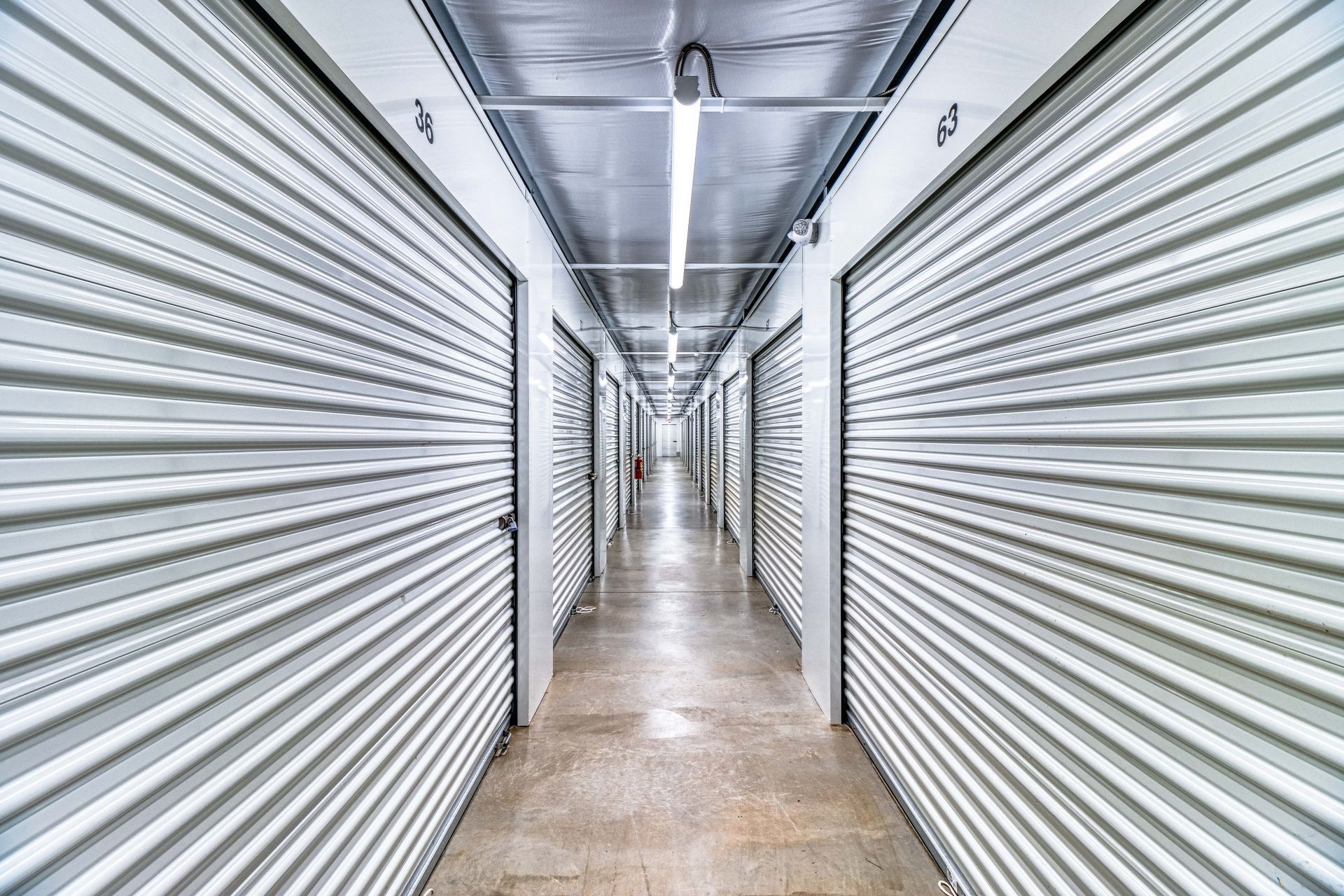
Indoor Storage Units: What You Get When Your Unit Is Inside a Building
Indoor storage means the unit itself sits inside a fully enclosed building rather than in a row of exterior metal structures with roll-up doors facing outside. You access it through interior hallways, not from a parking lot. The building around the unit acts as a buffer between your belongings and the outside world, which changes the storage experience in ways that matter more than most people realize before they rent.
The most important distinction to understand upfront is that indoor storage and climate-controlled storage are not the same thing. Indoor describes where the unit is located - inside a building. Climate-controlled describes what the unit does - actively regulating temperature and humidity. Some indoor units include climate control, and some don't. An indoor unit without climate control still benefits from the building envelope keeping conditions more stable than an exterior unit, but it won't maintain a specific temperature range or manage humidity the way a true climate-controlled space does. If environmental regulation is what you need, confirm that the indoor unit you're considering actually includes it rather than assuming.
Indoor units are typically accessed through secured hallways with controlled entry points, which adds layers of security that exterior units don't have. Visitors pass through building doors, hallway access points, and sometimes elevator controls before reaching a unit, all of which create checkpoints that deter unauthorized access. The trade-off is convenience - you can't pull a truck directly to the door. Everything goes in and out on a cart, dolly, or by hand through corridors. For large, heavy items like furniture and appliances, that's a real limitation. For boxes, documents, smaller valuables, and items you can carry or wheel, it's a non-issue.
The Storage Advantage lets you filter for indoor storage units across
facilities near you, so you can compare availability, unit sizes, and whether climate control is included before committing.
What Makes Indoor Storage Different From Exterior Units
The practical differences between indoor and exterior storage go beyond just being inside versus outside. Here's what the building around your unit actually does for you.
The Building Envelope
Exterior storage units are essentially metal boxes with a roof. They keep rain off your stuff and provide a locked door, but the walls heat up in direct sun, cool down fast at night, and offer minimal insulation. An indoor unit sits inside a structure with its own walls, roof, insulation, and foundation, which creates a thermal buffer between your belongings and outdoor conditions. The temperature inside a building swings far less than the temperature inside an exterior metal unit, even without active climate control. On a 95-degree day, the interior of a standard exterior unit can easily exceed 120 degrees. An indoor unit in the same conditions might reach 85 or 90. That difference matters for anything stored longer than a few weeks, especially through summer heat or winter cold. The building also blocks direct wind and rain exposure, eliminating the water intrusion that sometimes affects exterior units at the door seal during heavy storms.
Reduced Dust, Debris, and Pest Exposure
Exterior units sit at ground level with doors that face driveways, landscaping, and open air. Dust, pollen, leaves, and dirt find their way in every time the door opens, and some gets in even when it's closed. Insects and rodents have easier access to exterior units because the gaps around roll-up doors, ground-level vents, and wall seams create entry points. Indoor units are sealed within a building that's maintained against pest intrusion and kept cleaner than an outdoor environment can be. Hallway floors get swept and maintained. The enclosed space means far less airborne debris reaches your belongings. For anyone storing fabric, upholstered furniture, paper documents, or clothing, the cleaner environment inside a building makes a noticeable difference over months of storage.
Layered Security
Security at a storage facility typically includes perimeter fencing, gated entry, access codes, and camera systems. Those features protect the entire property. Indoor units add building-level security on top of that. To reach an indoor unit, someone has to pass through the property gate, enter the building through a secured door, navigate hallways that may have additional access points, and then get past your individual unit lock. Each layer narrows the path of access considerably. Camera coverage in hallways also provides clearer footage than outdoor cameras dealing with weather, lighting changes, and distance. If what you're storing is valuable, sensitive, or difficult to replace, the additional security layers of an indoor unit are worth factoring into your decision.
A Cleaner, More Controlled Environment
Even without active climate control, indoor units benefit from the general maintenance and environmental management of the building they're in. Hallways are lit, cleaned, and climate-managed for the comfort of anyone walking through them, which indirectly benefits the units along those hallways. The air quality inside a maintained building is significantly better than what you'd find in a row of exterior metal units. For items that absorb odors, collect dust, or degrade in poor air quality, the indoor environment provides a level of passive protection that exterior units can't match. If your belongings need active temperature and humidity regulation beyond what the building passively provides, look specifically for units labeled as
climate-controlled storage rather than just "indoor."
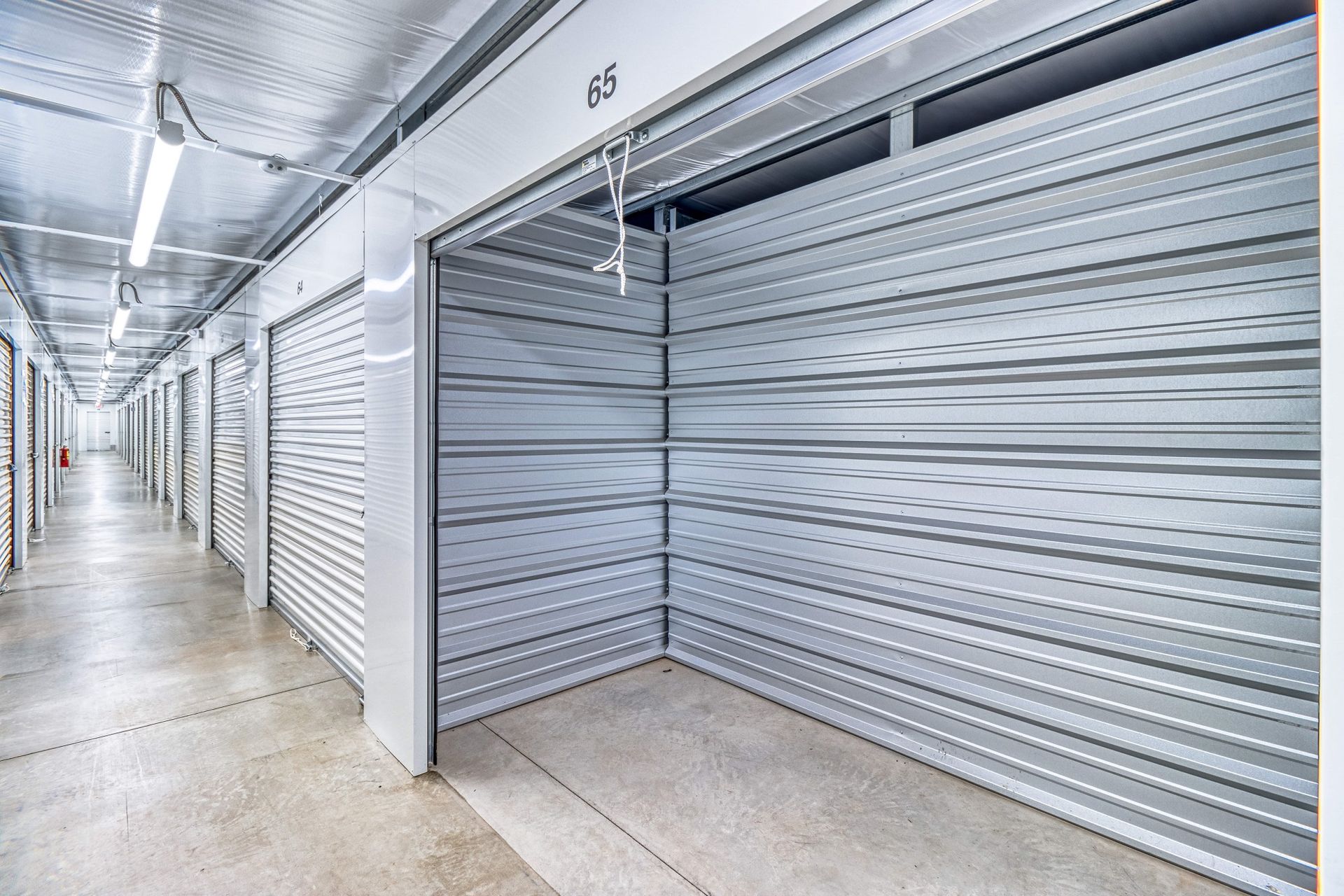
When Indoor Storage Is the Right Choice
Indoor storage isn't the best fit for every situation, but there are specific scenarios where its advantages line up perfectly with what you need.
Valuables and Sentimental Items
Family heirlooms, photo albums, collections, artwork, and personal items with more emotional than monetary value deserve the extra protection layers that indoor storage provides. The reduced exposure to dust, pests, and temperature extremes keeps these items in better condition over time, and the layered security means fewer opportunities for unauthorized access. For household storage involving irreplaceable personal belongings, the indoor environment provides peace of mind that a standard exterior unit doesn't.
Business Records and Small Inventory
Offices that need to archive documents, store seasonal inventory, or keep backup equipment accessible benefit from indoor units that are clean, secure, and available in compact sizes. A 5x5 or 5x10 indoor unit holds a significant volume of boxed files or small inventory without paying for space you don't need. The controlled environment protects paper records from the humidity and temperature damage that can make documents unreadable over time. For business storage needs that don't involve large equipment or heavy inventory, indoor units hit the right balance of protection and cost.
Frequent Access Needs
If you plan to visit your unit regularly - weekly or even multiple times a week - indoor storage works well because the hallway environment is comfortable to work in regardless of weather. You're not standing in rain, wind, or blazing sun while sorting through boxes or pulling items. The well-lit interior makes it easier to find what you need, and the consistent conditions mean your belongings are in the same state every time you visit. Frequent-access renters also benefit from the security of indoor hallways, where foot traffic is monitored and access is restricted.
When You Don't Need Vehicle Access
The main trade-off with indoor storage is that you can't drive up to the unit door. If everything you're storing fits on a cart or can be carried by hand, that trade-off costs you nothing. Boxes of documents, bins of seasonal clothing, small electronics, and personal items all move easily through hallways. But if you're storing full rooms of furniture, heavy appliances, or large equipment, drive-up storage is the format designed for that kind of loading and unloading. Use the storage unit size guide to figure out what unit dimensions match your items before choosing a format.
Indoor Storage Questions, Answered
Is indoor storage the same as climate-controlled storage?
No. Indoor storage means the unit is located inside a building. Climate-controlled storage means the unit actively regulates temperature and humidity. Some indoor units include climate control, but many don't. The building itself provides passive environmental benefits like more stable temperatures and reduced dust, but if you need guaranteed temperature and humidity ranges, confirm that the specific unit offers climate control before renting.
What are the downsides of indoor storage?
The primary limitation is access convenience. You can't drive a vehicle to the unit door, so everything has to be moved through hallways, and potentially up elevators if the unit is on an upper floor. For heavy furniture, large appliances, and bulk items, this makes loading and unloading more labor-intensive than a ground-level exterior unit. If vehicle access matters for what you're storing, a drive-up unit is a better fit.
What sizes are indoor storage units available in?
Indoor units are typically available from small locker-size spaces (5x5) up to 10x15 or 10x20 at most facilities, though the range varies by location. Very large units (10x25 and above) are more commonly found in drive-up or warehouse formats. Check the storage unit size guide to estimate the dimensions you need based on what you're planning to store.
Are indoor units more secure than outdoor units?
Indoor units benefit from additional security layers beyond what exterior units receive. Access requires entering the building through secured entry points, navigating interior hallways, and passing your individual unit lock. These layers make unauthorized access more difficult. Camera coverage in hallways also tends to be more effective than outdoor cameras. Both formats should include property-level security like gated entry and access codes as a baseline.
Can I store furniture in an indoor storage unit?
You can, but consider the logistics first. Smaller furniture pieces, disassembled bed frames, and items that fit on a dolly or cart work fine in indoor units. Large sofas, dining tables, and heavy dressers are harder to move through hallways and elevators. If you're storing a full room or household of furniture, a drive-up unit with ground-level vehicle access will make the process significantly easier. For household items that are compact or boxed, indoor storage handles the job well.
Is indoor storage more expensive than outdoor units?
Indoor units often cost slightly more than comparable exterior drive-up units at the same facility because of the building infrastructure, maintenance, and environmental benefits they provide. The price difference is usually modest and reflects the added protection and security. Climate-controlled indoor units carry an additional premium over standard indoor units. Compare options across facilities on The Storage Advantage to see how pricing varies in your area.
Find Indoor Storage Near You
Indoor storage puts a building between your belongings and the elements. Search indoor storage options on The Storage Advantage to compare facilities by unit size, features, and location, and reserve a space that keeps your stuff protected without overpaying for what you don't need.