Rent online in minutes
Contact Us
We will get back to you as soon as possible.
Please try again later.
Check out all 4,000+ of our locations on a map by clicking "Find Storage" in the menu!

4.8
Finding Self Storage in Oregon
Marketing.Storage Store locator is loading
Roseburg, OR
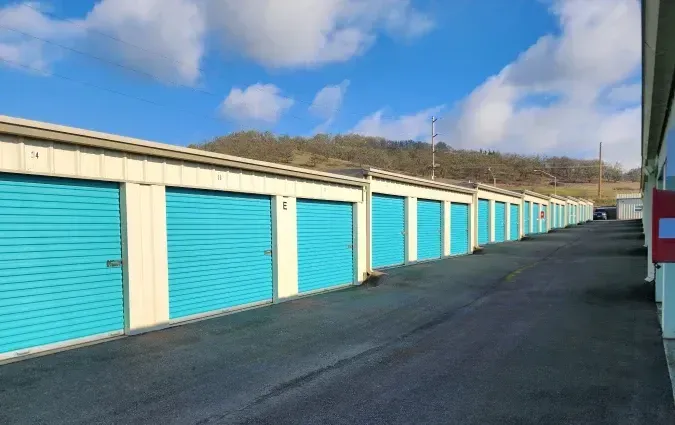
Roseburg, OR
Roseburg is the county seat of Douglas County, situated in the Umpqua River Valley along Interstate 5 in southern Oregon - roughly 70 miles south of Eugene and 120 miles north of Medford.
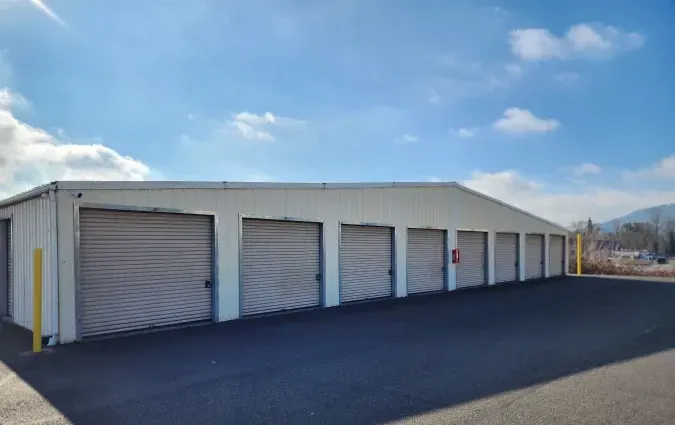 Oregon
MasterKey Storage | Green Siding Rd
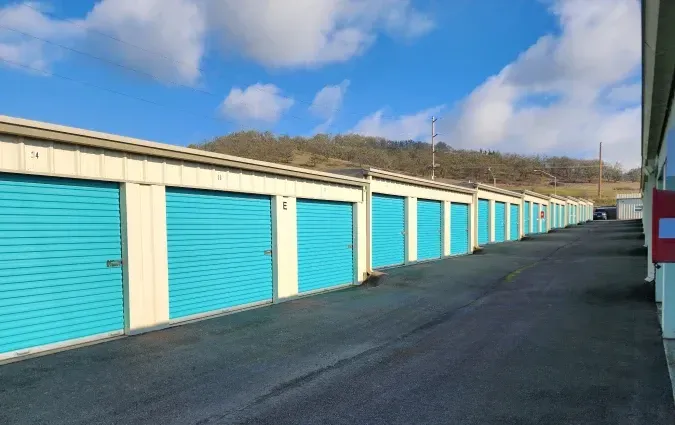 Oregon
MasterKey Storage | Hwy 99
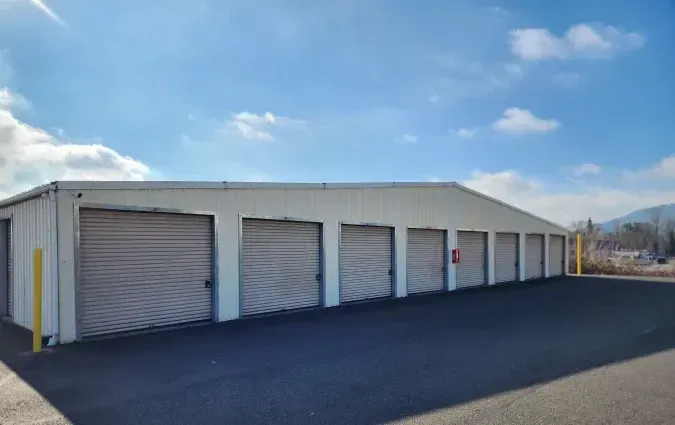
Self storage facilities are available throughout Oregon, from the Willamette Valley and Portland metro area to Central Oregon's high desert and the Southern Oregon valleys. Whether you're in a coastal community or an inland region near the Cascades, you can compare unit sizes, features, and monthly rates to find storage that fits your situation and location.
Oregon's diverse economy and outdoor lifestyle create consistent demand for storage space. Residents relocating for tech jobs, university students between academic years, and small business owners managing inventory all benefit from flexible
household storage and commercial options. The state's strong recreation culture also means many Oregonians store boats, RVs, and seasonal gear.
The region's wet winters west of the Cascades and temperature swings in eastern Oregon make understanding local climate conditions important when choosing a unit. Knowing what type of storage suits your belongings can help protect them year-round.
Self Storage in Oregon: What to Know Before You Rent
Oregon's climate varies significantly by region, which directly affects storage decisions. West of the Cascade Range, annual rainfall ranges from 40 to 80 inches in the Willamette Valley, with coastal areas receiving even more precipitation. This persistent moisture from October through May makes
climate-controlled storage a practical choice for protecting furniture, electronics, and documents from mold and mildew.
East of the Cascades, the high desert climate brings less rain but greater temperature extremes. Summer highs can exceed 100°F while winter lows drop below freezing. According to the Western Regional Climate Center, precipitation in eastern Oregon plateau regions can fall below eight inches annually. For temperature-sensitive items like wine collections or business inventory, climate control helps maintain stable conditions regardless of season.
The state's population of approximately 4.27 million is concentrated in the Willamette Valley corridor, but Central Oregon and Southern Oregon communities continue to grow. According to Portland State University's Population Research Center, net migration remains the sole driver of Oregon's population growth, bringing new residents who often need transitional storage during relocation.
Storage Unit Sizes and Features in Oregon
Storage units in Oregon range from small 5x5 spaces suitable for boxes and seasonal items to large 10x30 units that can hold the contents of a multi-bedroom home. A 10x10 unit-roughly the size of a small bedroom-typically accommodates a one-bedroom apartment. Reviewing a
storage unit size guide helps match your belongings to the right dimensions without overpaying for unused space.
Security features at Oregon facilities commonly include gated access, individual unit alarms, and video surveillance.
Drive-up storage units offer convenient loading for heavy or bulky items, which is especially useful for Oregonians storing outdoor recreation equipment, workshop tools, or furniture during a home renovation.
For vehicles, many facilities offer covered or uncovered parking for
boats and RVs. Oregon's lakes, rivers, and coastline make watercraft ownership common, and dedicated vehicle storage protects these investments during the off-season while freeing up space at home. Extended gate hours from early morning through late evening accommodate visits around work schedules.
Frequently Asked Questions About Self Storage in Oregon
Do I need climate-controlled storage in Oregon?
Climate control is recommended west of the Cascades, where annual humidity and rainfall are high. Units maintaining temperatures between 55–85°F protect wood furniture, electronics, photographs, and documents from moisture damage. Eastern Oregon's dry climate poses fewer humidity risks, though temperature control still benefits sensitive items. Learn more in our self storage FAQ.
What size storage unit do I need for moving?
A 10x10 unit typically holds a one-bedroom apartment, while a 10x20 accommodates a two- to three-bedroom home. For a studio or small move, a 5x10 often suffices. Measure large furniture and estimate box counts before choosing. Our storage unit size guide provides detailed recommendations based on room counts and item types.
Can I store a boat or RV in Oregon?
Yes, many Oregon facilities offer vehicle storage for boats, RVs, and trailers. Options include uncovered parking, covered spaces, and enclosed units depending on the level of protection you need. This is popular among residents who use Oregon's rivers, lakes, and coast seasonally. Explore RV storage options to compare availability near you.
Find the Right Storage Unit in Oregon
Browse storage facilities throughout Oregon to compare sizes, features, and prices near you.