Rent online in minutes
Contact Us
We will get back to you as soon as possible.
Please try again later.
Check out all 4,000+ of our locations on a map by clicking "Find Storage" in the menu!

4.8
Commercial Real Estate Storage
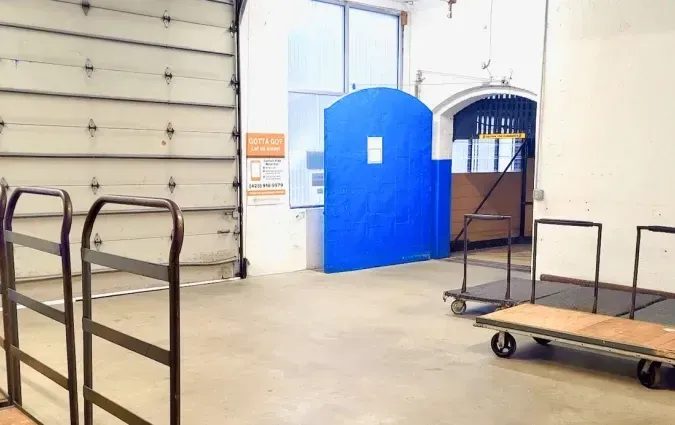
Storage Built for the Commercial Real Estate Industry
Commercial real estate moves fast, and the physical assets that come with it pile up faster than most professionals expect. Staging furniture rotates between listings. Maintenance supplies and replacement fixtures need a home between tenant turnovers. Construction materials sit between phases of a build-out. Office furniture stacks up during relocations and downsizing. All of it takes space, and keeping it in premium commercial square footage that's generating revenue - or could be - is an expensive way to solve a logistics problem.
Self storage gives CRE professionals a practical, cost-effective place to keep the items that support their operations without dedicating commercial space to storage. A dedicated unit functions as an off-site supply room, staging warehouse, or overflow area that's available on your schedule and costs a fraction of what that same square footage would run in a commercial lease.
The key to making it work is choosing the right facility. Access matters more in CRE than in most storage scenarios because you're often moving large, heavy items on tight timelines - think couches, desks, appliances, and construction equipment. Facilities with wide aisles, ground-level access, and flexible hours let you load and unload efficiently without working around restrictive schedules. Security is non-negotiable when you're storing client assets, tenant property, or valuable fixtures. Look for gated entry, individual access codes, and camera coverage as the baseline. And if you're storing documents, electronics, or any materials sensitive to temperature and moisture, climate control should be part of the equation.
The Storage Advantage makes it straightforward to compare
storage options near your properties or job sites. Filter by unit size, storage format, and facility features to find a setup that fits your workflow instead of working around it.
Who Uses Commercial Real Estate Storage
Self storage serves a wide range of CRE professionals, but the way each role uses it reflects the specific demands of their work. Here's how different parts of the industry put storage to practical use.
Property Managers
Property managers juggle maintenance across multiple buildings, and that means keeping an inventory of supplies, replacement parts, cleaning equipment, and seasonal items like holiday decorations or patio furniture for common areas. Storing all of it on-site at one property limits access when you need something at another location. A centrally located storage unit serves as a supply hub that's accessible across your portfolio. Tenant turnover creates its own storage needs too - when units are vacated, abandoned furniture and fixtures need somewhere to go while disposal or resale decisions are made. A storage unit withdrive-up access makes moving bulky items in and out significantly faster, especially on a tight turnover timeline.
Real Estate Agents and Staging Professionals
Home staging has become standard practice in competitive real estate markets, and the furniture, artwork, rugs, lighting, and decor that go into a staged listing need somewhere to live between jobs. A storage unit close to your active listings keeps staging inventory accessible and organized, so you can rotate pieces in and out based on the style and size of each property. Agents who manage their own staging collections often accumulate enough furniture to fill a small showroom, and keeping it in a garage or spare bedroom stops being practical fast.Climate-controlled storage is worth considering for upholstered furniture, artwork, and decorative items that can be damaged by heat and humidity between stagings.
Contractors and Developers
General contractors, subcontractors, and commercial developers regularly store tools, materials, fixtures, and equipment between project phases or between jobs entirely. Keeping everything at the current job site isn't always possible, and hauling it home clutters up your property and creates liability. A storage unit near your active project area gives you a secured staging point for materials that aren't needed on-site yet or tools that are between deployments. Larger operations may benefit fromwarehouse storage that can accommodate palletized materials, cabinets, flooring, and fixtures waiting to be installed on a build-out schedule.
Commercial Landlords and Investors
Landlords managing commercial properties frequently end up holding furniture, signage, fixtures, and equipment left behind by previous tenants or pulled during renovations. Investors working through rehab or repositioning projects need somewhere to store items that will go back into the property once the work is complete. A storage unit bridges the gap between tenants or between construction phases without forcing you to clutter a vacant space or leave items exposed on a job site. For landlords managing multiple properties, a single storage unit can serve as a central holding area for items that cycle through different buildings on different timelines.
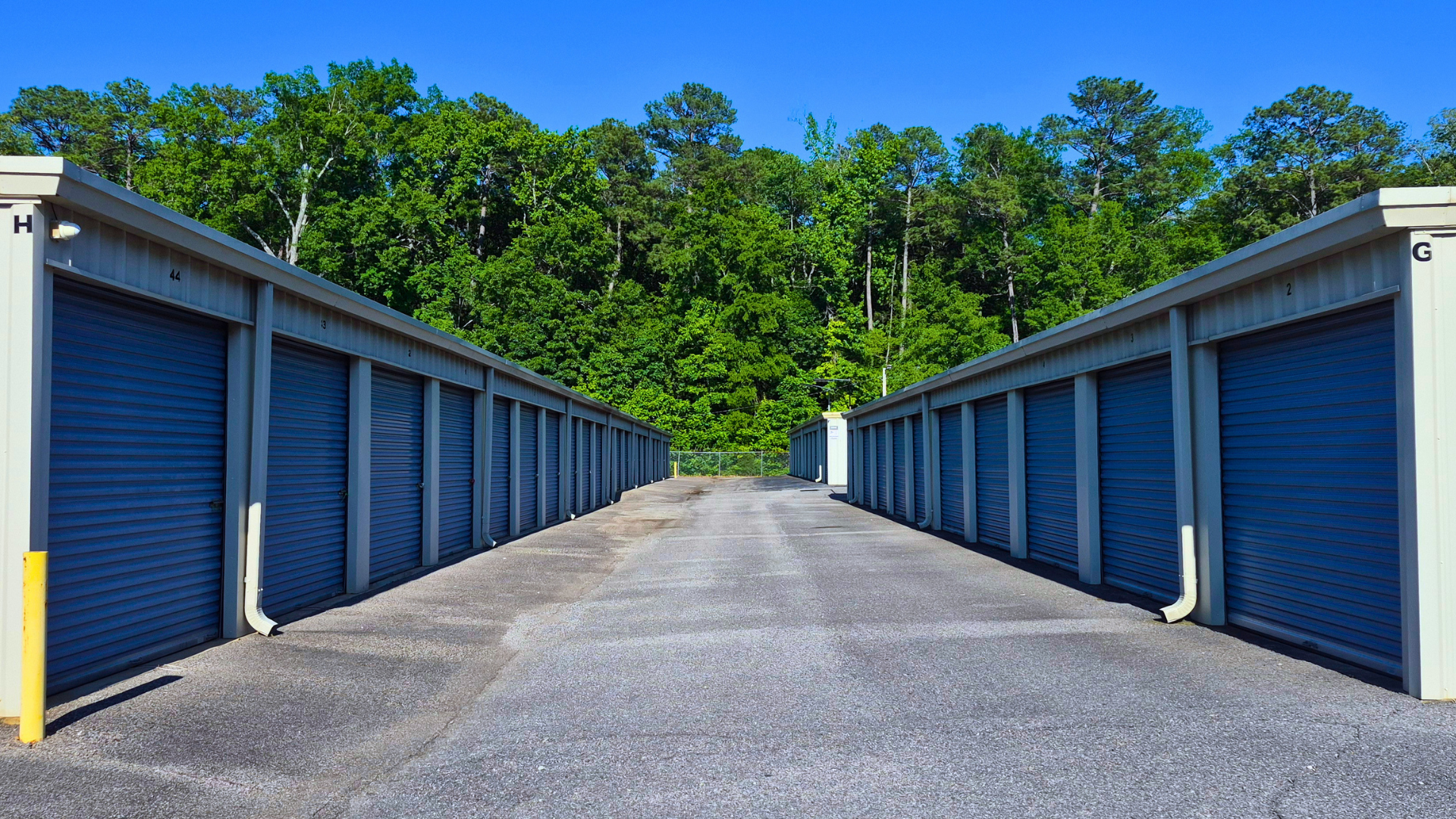
Choosing the Right Storage Format for Commercial Real Estate
The storage format that works best depends on what you're storing and how often you need to access it. Here's how the most common options map to CRE workflows.
Drive-Up Storage for Equipment and Staging Inventory
Drive-up units are the most practical format for CRE professionals who move furniture, equipment, and materials frequently. You pull directly to the door, load or unload without navigating hallways or stairs, and get back on the road. This format handles staging furniture, maintenance equipment, contractor tools, and tenant turnover items efficiently.
Climate-Controlled Storage for Records and Sensitive Materials
Lease agreements, tenant files, inspection reports, permit documentation, and financial records all need protection from humidity and temperature extremes.Climate-controlled units keep paper, electronics, and sensitive materials in stable conditions, which matters especially in regions with hot summers, humid climates, or harsh winters.
Warehouse Storage for Large-Scale Operations
Developers and contractors working on commercial build-outs or multi-unit renovations often need space that goes beyond a standard storage unit.Warehouse storage provides the square footage, ceiling height, and access points needed to stage palletized materials, cabinetry, flooring, and large fixtures before installation.
Indoor Storage for High-Value Items and Confidential Records
When what you're storing is valuable, sensitive, or confidential,indoor storage adds an extra layer of security and environmental protection. Interior hallway access, reduced dust exposure, and controlled building conditions make this a strong choice for architectural models, high-end fixtures, client records, and electronics. Use thestorage unit size guide to match your items to the right unit dimensions before reserving.
Common Questions About Commercial Real Estate Storage
How is commercial real estate storage different from general business storage?
The storage formats are the same, but the use cases are specific to the CRE industry. Property managers, agents, contractors, and landlords store staging furniture, maintenance supplies, construction materials, tenant turnover items, and project-related equipment - items that cycle in and out of properties on different timelines. Generalbusiness storage covers a broader range of commercial needs, while CRE storage addresses the logistical demands of managing physical properties.
Can I store construction materials and fixtures in a self storage unit?
Yes. Standard and drive-up units accommodate most construction materials including lumber, tile, flooring, cabinetry, hardware, and light fixtures. For larger volumes or palletized goods, warehouse-style units with wider doors and higher ceilings provide more practical space. Hazardous materials, flammable liquids, and volatile chemicals are prohibited at all self storage facilities.
What size unit do I need for staging furniture?
A typical staging inventory for one to two listings usually fits in a 10x15 or 10x20 unit. Professional stagers with larger inventories covering multiple simultaneous listings may need 10x30 or larger. Thestorage unit size guide helps you estimate the right dimensions based on what you plan to store.
Can multiple team members access the storage unit?
Policies vary by facility. Many allow the primary account holder to authorize additional users with their own access codes, which is practical for property management teams and staging companies with multiple employees who need independent access. Confirm multi-user access policies before renting.
Is climate control necessary for storing staging furniture?
For upholstered furniture, wooden pieces, artwork, and decorative items, climate control significantly reduces the risk of warping, mold, fabric odor, and finish damage during storage. If you're rotating inventory quickly and storing for short periods in mild weather, standard units may work. For extended storage or in hot and humid climates, climate control is the safer investment.
Are short-term and month-to-month rentals available?
Most facilities listed on The Storage Advantage offer month-to-month terms with no long-term contracts. This flexibility is especially useful in CRE, where storage needs change with project timelines, tenant turnover schedules, and seasonal listing activity. You can scale up for busy periods and cancel when the space is no longer needed.
Find Commercial Real Estate Storage Near You
Storage shouldn't slow down your operations or eat into your margins. Search commercial storage options on The Storage Advantage to compare facilities near your properties by unit size, features, and access, and reserve space that works on your timeline.