Finding Self Storage in Texas
Texas consistently ranks among the top states for inbound migration, according to U.S. Census data, driving year-round demand for household storage. The state's oil and gas industry, agricultural operations, and steady job growth create storage needs ranging from household overflow during relocations to business inventory for contractors and equipment suppliers.
With summer temperatures routinely exceeding 100°F and Gulf Coast humidity levels that can damage wood furniture and electronics, climate considerations should shape how and where you store. Understanding regional differences helps you choose the right unit type for your belongings.
Marketing.Storage Store locator is loading
Self Storage in Texas: What to Know Before You Rent
In the Texas Panhandle, Amarillo and Pampa experience temperature swings from over 100°F in summer to below freezing in winter. Dust storms and dry conditions create different challenges-sealed indoor units protect against particulate infiltration while still benefiting from temperature regulation during extreme weather months.
Hurricane season from June through November adds urgency for Gulf Coast renters storing valuables. Facilities in Bridge City, Nederland, and West Orange operate in a region that has experienced significant storm activity, making security features and building construction quality important factors when comparing options.
Storage Unit Sizes and Features in Texas
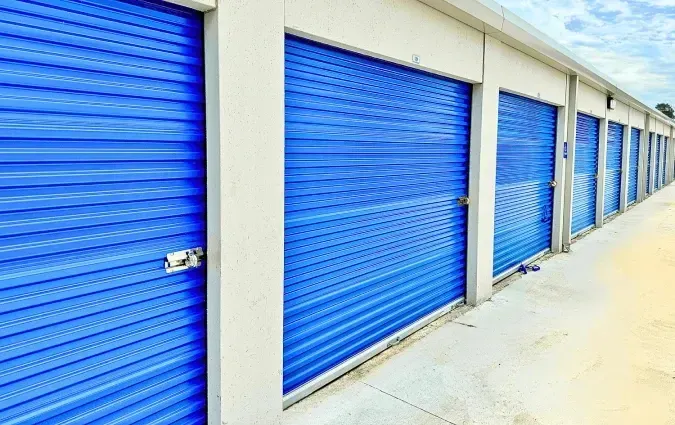
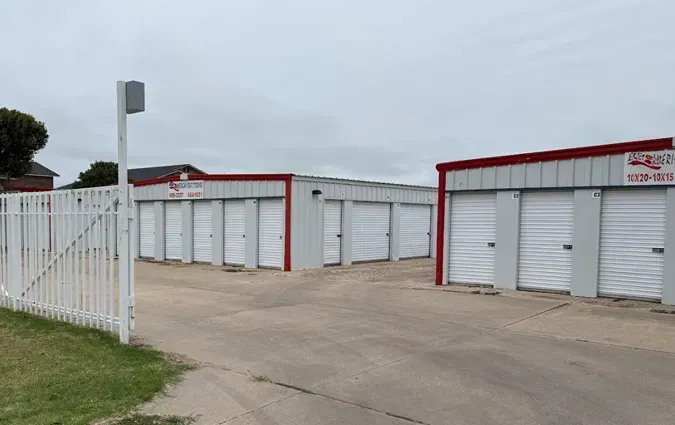
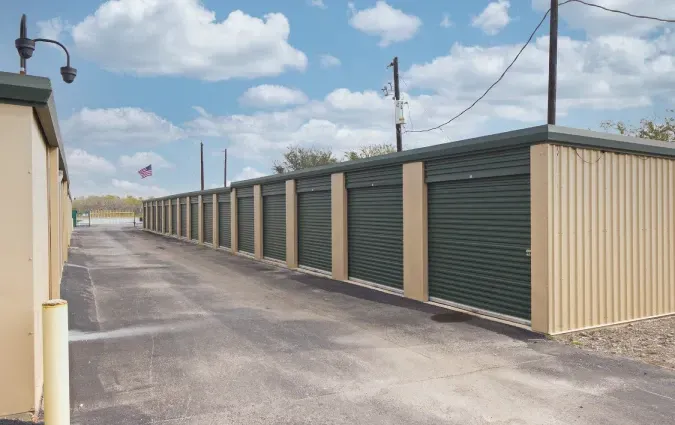
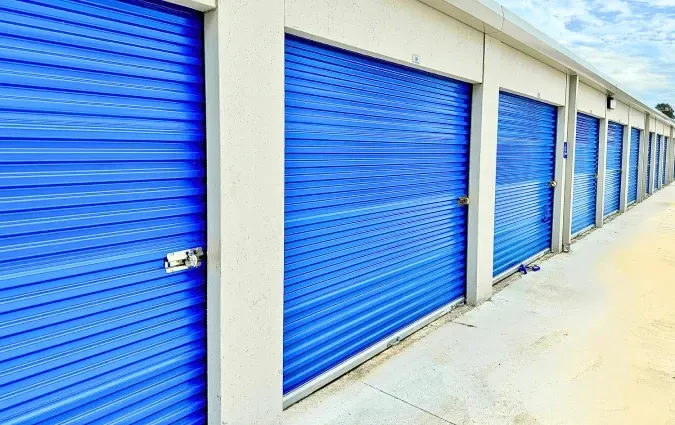
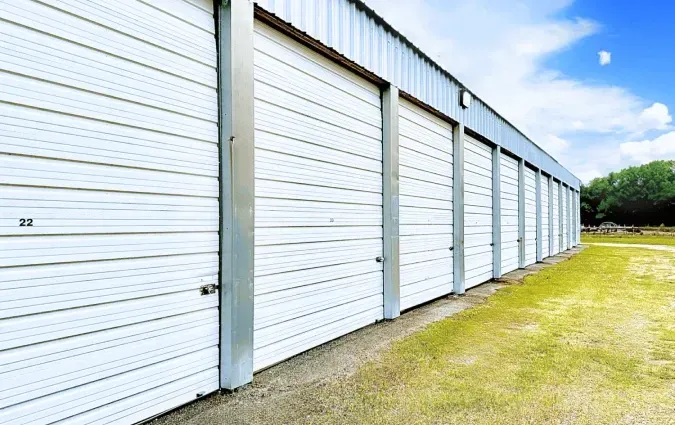
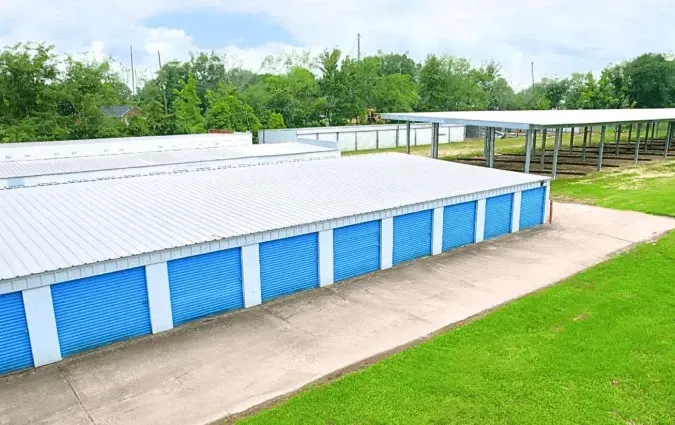
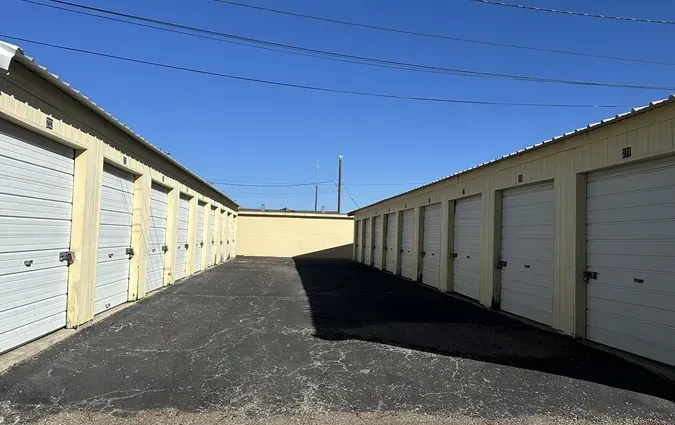
Drive-up storage units offer convenient loading access, especially useful for Panhandle residents storing hunting gear, farm equipment, or workshop tools. In Southeast Texas, drive-up access simplifies storing boats, fishing equipment, and outdoor furniture that see heavy seasonal use along the Gulf Coast.
Security features to look for include gated entry with personalized access codes, video surveillance, and individually alarmed units. Climate-controlled units typically maintain temperatures between 55-85°F, protecting temperature-sensitive items from the extreme heat that defines Texas summers from May through September.
Frequently Asked Questions About Self Storage in Texas
Q: Do I need climate-controlled storage in Texas?
Climate control is strongly recommended for storing wood furniture, leather, electronics, photographs, and documents anywhere in Texas. Gulf Coast humidity accelerates mold and mildew growth, while Panhandle temperature extremes can warp wood and degrade adhesives. Review the storage tips page for guidance on protecting specific items.
Q: What size storage unit do I need for a house move in Texas?
A 10×10 unit (100 square feet) typically holds a one-bedroom apartment. A 10×20 unit accommodates a two- to three-bedroom home. For larger households or when storing vehicles alongside furniture, a 10×30 unit provides approximately 300 square feet. Measure bulky items beforehand and add buffer space for aisle access inside the unit.
Q: Can I store a vehicle or RV in Texas?
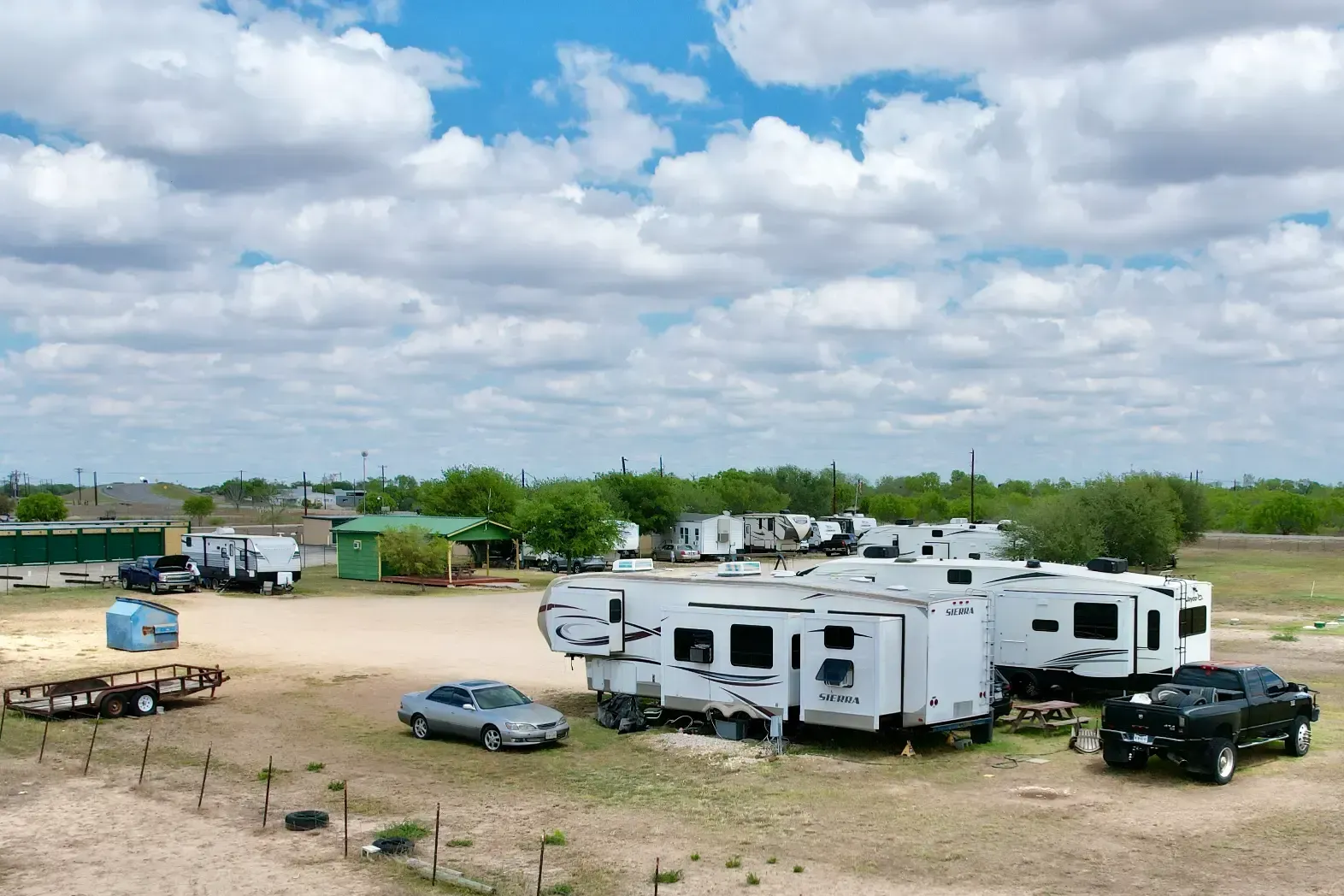
Yes, many Texas facilities offer vehicle storage options including covered parking, enclosed units, and outdoor spaces for RVs and boats. This is particularly common in the Panhandle where residents store recreational vehicles during off-seasons and along the Gulf Coast for boat storage between fishing trips.
Find the Right Storage Unit in Texas
Browse storage facilities throughout Texas to compare sizes, features, and prices near you.