Rent online in minutes
Contact Us
We will get back to you as soon as possible.
Please try again later.
Check out all 4,000+ of our locations on a map by clicking "Find Storage" in the menu!

4.8
Finding Self Storage in Utah
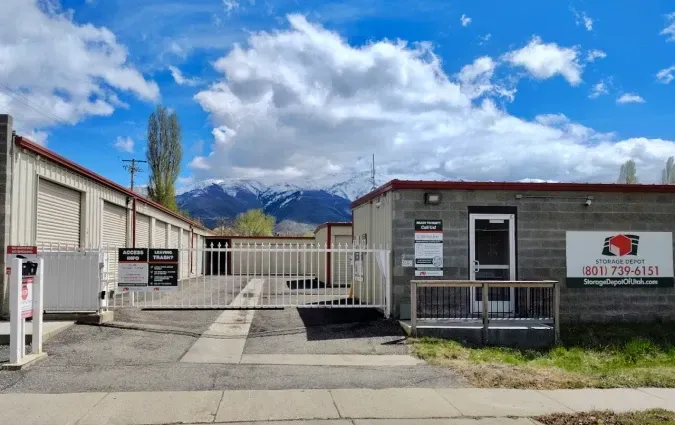 Utah
Utah
Storage Depot | N 750 E
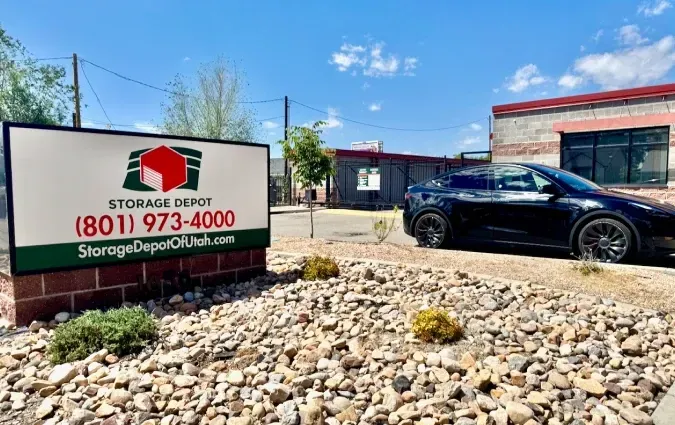 Utah
Utah
Storage Depot | Whitlock Ave
Marketing.Storage Store locator is loading
Self storage facilities in Utah serve renters throughout the Wasatch Front and beyond, from Salt Lake City and Layton in the north to West Valley and Provo in the central valleys. Whether you're along the I-15 corridor or closer to the mountain communities, storage options include climate-controlled units, drive-up access, and vehicle parking to match the state's diverse needs.
Utah's rapid population growth-the state added over 44,000 new residents in 2025 alone, according to the Kem C. Gardner Policy Institute-drives consistent demand for
household storage. Tech workers relocating to Silicon Slopes, families navigating tight housing markets, and outdoor enthusiasts with gear to store all contribute to the need for flexible storage solutions across the region.
The state's recreational culture also fuels demand for specialized storage. With world-class skiing along the Wasatch Range, reservoirs for boating, and trails for off-roading, many Utah households own RVs, boats, or ATVs that require secure parking between seasons.
Self Storage in Utah: What to Know Before You Rent
Utah's semi-arid climate creates specific storage considerations that differ from coastal or humid regions. The state averages just 11 inches of annual precipitation-among the lowest in the nation-which reduces moisture-related risks for stored items. However, temperature swings can be dramatic, sometimes exceeding 40°F in a single day according to the Western Regional Climate Center.
Along the Wasatch Front, where most Utahns live, summer highs regularly exceed 90°F while winter lows drop well below freezing. For temperature-sensitive belongings like electronics, wooden furniture, or vinyl records,
climate-controlled storage maintains conditions typically between 55-85°F year-round. This matters especially in cities like Layton and West Valley, where valley inversions can trap extreme cold during winter months.
Renters storing outdoor equipment should consider
drive-up storage for easy loading of skis, camping gear, or sporting equipment. These units allow you to pull your vehicle directly to the door-practical when you're heading to the slopes or trails on short notice.
Storage Unit Sizes and Features in Utah
Storage units in Utah range from small 5x5 spaces (25 square feet) for seasonal decorations or business files to large 10x30 units (300 square feet) that hold the contents of a multi-bedroom home. A standard 10x10 unit fits a one-bedroom apartment's furnishings, while 10x20 units work well for households downsizing or families storing during a remodel.
Consult the
storage unit size guide to match your belongings to the right dimensions. Security features at Utah facilities typically include gated access with personal entry codes, video surveillance, and individual unit alarms. Access hours generally extend from early morning through late evening, fitting schedules before work or after dinner.
For military families stationed at Hill Air Force Base near Layton,
military storage accommodates PCS moves and deployment needs. College students at BYU, the University of Utah, or Utah Valley University often rent smaller units during summer breaks when dorms close-a practical solution for the state's 200,000-plus public university students.
Frequently Asked Questions About Self Storage in Utah
Do I need climate-controlled storage in Utah?
Utah's low humidity reduces mold and mildew risks, but extreme temperature swings—from summer heat above 90°F to winter lows below freezing—can damage wood, leather, electronics, and photographs. Climate-controlled units maintain stable temperatures between 55–85°F, protecting sensitive items year-round. Learn more in the self storage FAQ.
Can I store my RV or boat in Utah during the off-season?
Yes, many Utah facilities offer outdoor parking and covered spaces for RVs, boats, and trailers. This is especially common along the Wasatch Front, where residents frequently own recreational vehicles for lake trips to Jordanelle or Deer Creek reservoirs. Look for facilities with outdoor parking or covered spaces that accommodate vehicles of various sizes.
What size storage unit do I need for a move in Utah?
For a typical one-bedroom apartment, a 10x10 unit (100 square feet) usually suffices. Two-bedroom homes generally need 10x15 units, while three-bedroom households should consider 10x20 or larger. Plan your space by measuring large items first and stacking boxes to maximize vertical space in your unit.
Find the Right Storage Unit in Utah
Browse storage facilities throughout Utah to compare sizes, features, and prices near you.