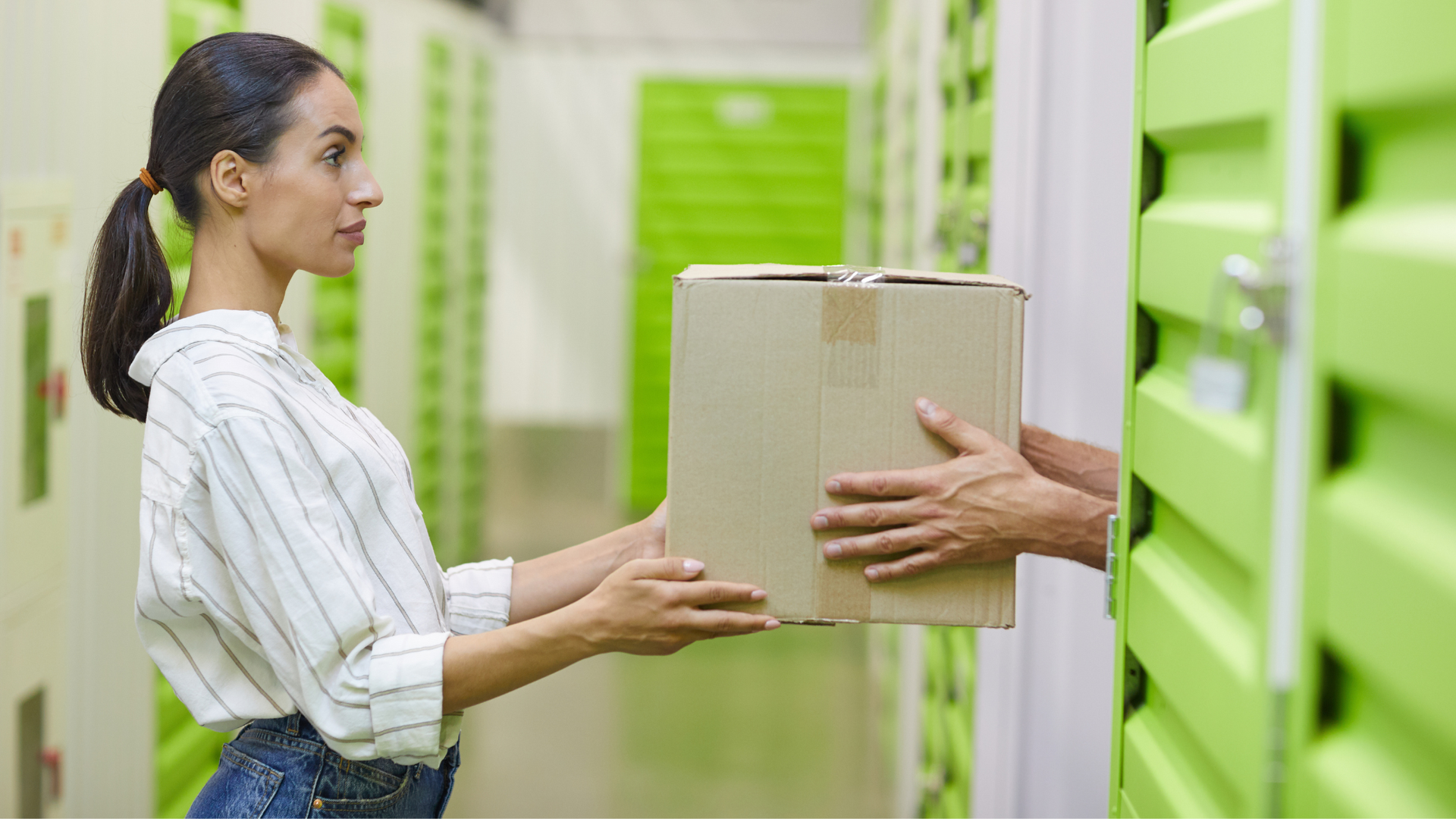
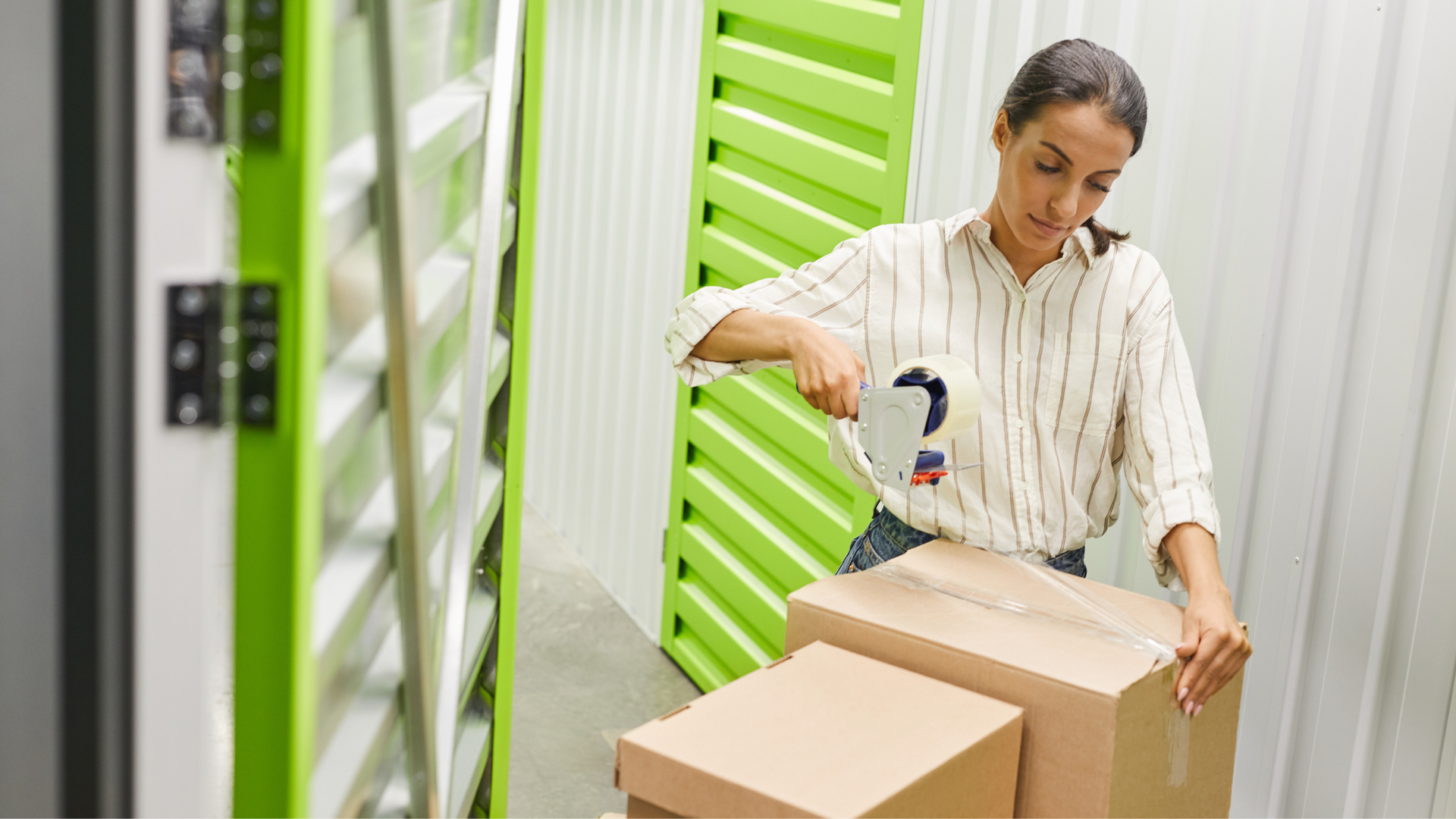


Divorce is one of life's most significant transitions. Along with the emotional challenges, many people face practical questions about where to keep furniture, family heirlooms, seasonal items, business equipment, or personal belongings while living arrangements change. Whether one spouse is moving into a smaller home, waiting for property settlements, or simply trying to organize belongings during the process, self storage can provide a practical, temporary solution. Rather than making rushed decisions about what to keep, sell, or donate, consider renting a storage unit to create valuable breathing room. It allows both parties to focus on legal and personal matters without the added pressure of clutter or limited space.

Downsizing can be an exciting opportunity to simplify your lifestyle, reduce household expenses, and create a more manageable living space. Whether you're moving into your first smaller home, helping a family member transition, or simply reducing clutter, one challenge often remains the same: deciding what to do with belongings that no longer fit your new space. That's where self storage becomes an invaluable solution. Instead of rushing difficult decisions or overcrowding your new home, renting a storage unit gives you the flexibility to move at your own pace while keeping your possessions secure and accessible. At The Storage Advantage , we offer a variety of storage solutions, including climate controlled storage, drive up storage, residential storage, business storage, and vehicle storage options designed to make life's transitions easier. Why Downsizing Can Feel Overwhelming Moving to a smaller home often means reducing the amount of furniture, seasonal decorations, keepsakes, recreational equipment, and household items you own. For many people, this process can be emotionally and physically demanding. Research published by the American Psychological Association (APA) has consistently identified moving as one of life's significant stressors, particularly when multiple changes occur simultaneously. Having a structured moving plan helps reduce stress and improves decision-making throughout the transition. Instead of making permanent decisions under pressure, using a storage unit lets you separate the moving process from decluttering. Benefits of Using Self Storage While Downsizing Self storage offers flexibility at every stage of your move. Downsizing Challenge: How Self Storage Helps Smaller closets : Store seasonal clothing and decorations Limited garage space : Keep tools, outdoor equipment, and recreational gear Extra furniture: Hold furniture until you decide whether to sell or keep it Family heirlooms: Preserve meaningful belongings without overcrowding your home Temporary housing: Store possessions until your permanent move is complete Rather than forcing everything into your new home, storage spaces allow you to create a comfortable living environment from day one. Start Decluttering Before You Pack One of the biggest mistakes people make is packing everything first and sorting later. Instead, walk through each room and divide belongings into four categories: Keep Donate Sell Store Items that you use every day should move directly into your new home. Items you only use occasionally are often excellent candidates for residential storage. This simple process reduces moving costs while making unpacking much easier. Store Seasonal Items Instead of Crowding Your Home Many homes simply don't have enough room for every holiday decoration, winter coat, patio cushion, or camping accessory. Seasonal belongings often take up valuable storage space in the home despite being used for only a few weeks each year. A self storage unit provides convenient space for: Holiday decorations Seasonal clothing Lawn equipment Sporting goods Patio furniture Gardening supplies Camping gear Keeping these items in storage creates a cleaner, more organized living space throughout the year. Choose the Right Storage Unit Not every storage need is the same. The right storage unit depends on what you're storing. Climate Controlled Storage Climate controlled storage helps protect temperature-sensitive belongings such as: Wood furniture Electronics Photographs Artwork Documents Musical instruments Research from the National Park Service Museum Handbook notes that stable temperature and humidity conditions help reduce deterioration of paper records, wood, textiles, photographs, and other valuable household items. Drive Up Storage If you're storing heavier items such as furniture, appliances, or multiple moving boxes, drive up storage offers added convenience by allowing you to load and unload close to your unit. This can significantly reduce lifting time during moving day.