
Is Business Storage the Right Move for Your Startup?
Quick Comparison Table: Common Startup Storage Needs
If you’re building a startup, space can get tight fast. Inventory shows up earlier than expected. Packaging piles up. Event gear no longer fits in your trunk. Paperwork you’re required to keep starts living in random boxes. And if you’re working from home, the line between “my business” and “my living room” can disappear.
That’s where business storage (often through self-storage and flexible storage units) becomes a practical option. The right storage solutions can help you protect inventory, keep your operation organized, and avoid paying for a bigger office before you truly need it.
This guide explains when business storage makes sense, which type of storage space to choose, and how to use storage facilities strategically as your startup grows without overcomplicating the decision.
What “Business Storage” Really Means (and What It Doesn’t)
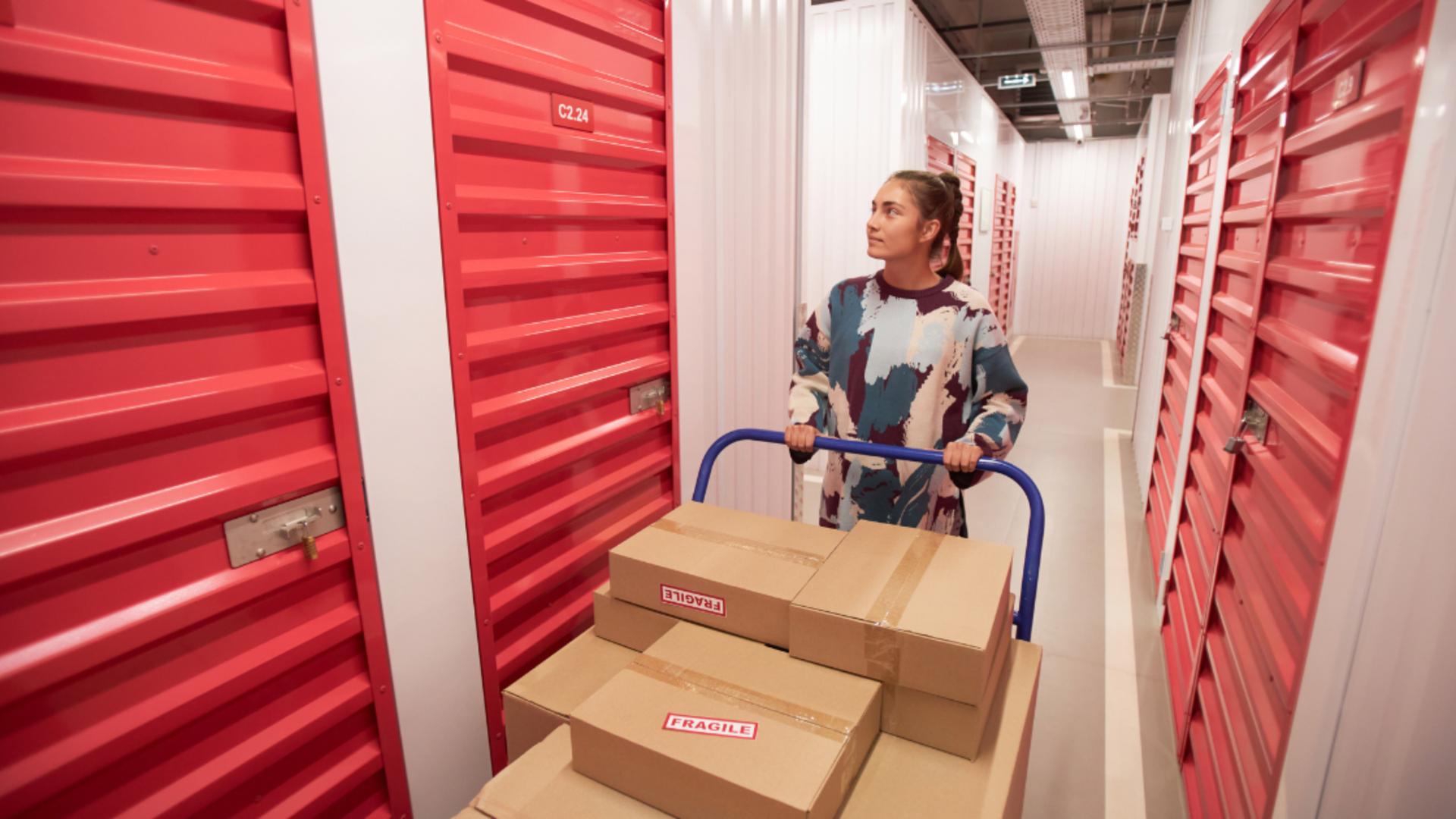
Business storage usually means renting a storage unit at a professional storage facility to hold items your business needs, but not every day. It’s commonly used for:
- Inventory and product backstock
- Packaging materials (boxes, mailers, tape, inserts)
- Marketing materials (banners, signage, brochures)
- Tools and equipment
- Seasonal items (holiday inventory, pop-up supplies)
- Documents and records (in clearly labeled containers)
What business storage doesn’t mean: turning a unit into a workspace or an office. Most facilities are designed for storage and access, not for running day-to-day operations. The win is having a dedicated, secure place for items that are crowding your home, garage, or small office.
9 Signs Your Startup Is Ready for Business Storage
Startups usually don’t wake up and decide, “We need storage.” It’s more like you notice recurring friction points.
Here are common signals that it’s time to look at storage units and storage spaces:
- Inventory is taking over your living space
- You’re buying supplies twice because you can’t find what you already have
- Packing and shipping are slower because materials aren’t organized
- Your team is moving items between cars, closets, and corners
- You’re storing valuable products in poor conditions (heat, humidity, dust)
- You’re doing pop-ups or markets and need a place for event gear
- You’re scaling but not ready for a larger lease
- You have seasonal spikes and need flexible overflow space
- You need better separation between business items and personal life
A simple rule: if clutter is creating repeated costs (time, re-buying supplies, damaged inventory), storage often pays for itself.
Why Storage Helps Startups Operate Better
Less Clutter, Better Focus
It’s not just aesthetic clutter that can affect attention and mental load. Research on visual attention shows that multiple stimuli compete for the brain’s processing capacity, and “visual clutter” can make focusing harder over time.
If your home office is also your shipping area, and your “inventory corner” keeps spreading, a dedicated storage unit can help you keep work zones clean and functional.
Less Stress At Home (Especially For Home-Based Founders)
A study on home environments and stress found that higher “stressful home” scores were associated with cortisol patterns linked to adverse health outcomes. You don’t need storage to be “minimalist.” You need it to create enough structure so your home (or office) isn’t constantly competing with your business.
Better inventory control
Strong inventory habits reduce waste, shrink “lost item” time, and help you reorder with confidence. Inventory management research consistently links effective inventory practices to greater efficiency and lower costs. A storage unit can become your “inventory system’s physical home,” a place where labeling, shelving, and batching actually stick.
Business Storage vs. Bigger Office: How to Think About Cost
Leasing a larger office or warehouse can significantly increase fixed costs. Self-storage is often used as a middle step: you gain space without committing to a long-term facility upgrade.
Business storage is often a fit when:
- Your space problem is mostly “stuff,” not “people.
- You need room for inventory and supplies, not desks and meetings
- Your growth is real, but still uneven month-to-month
- You want flexible storage solutions that can scale up or down
If your business requires daily receiving, on-site staff for the entire day, or frequent freight deliveries, you may outgrow typical storage facilities sooner. But many startups can operate efficiently with a small office and storage unit for an extended period.
Choosing the Right Storage Unit Type for a Startup
Not all storage spaces solve the same problem. The best choice depends on what you’re storing and how often you need access.
Drive up storage for speed and loading
Drive-up storage is ideal if you:
- Move boxes often
- Load/unload equipment
- Do markets, pop-ups, or frequent shipping runs
- Want quick access without navigating hallways
If your startup involves physical products, this is often the easiest operational fit.
Indoor Storage For A Cleaner Environment
Indoor storage units are helpful when you:
- Want added protection from dust and weather exposure during moves
- Store items that benefit from a more stable environment
- Prefer loading with carts in a controlled building
Climate-Controlled Storage For Sensitive Items
Climate-controlled storage is worth considering for:
- Cosmetics, skincare, supplements, or food-adjacent products
- Electronics, printed materials, vinyl, adhesives
- Paper records you must keep in good condition
- Anything affected by heat, humidity, or temperature swings
If your inventory quality matters (and it usually does), climate control can reduce the risk of damage and product loss.
Enclosed storage for larger items and added protection
If you store equipment, tools, or larger assets, enclosed storage can offer a more protected option than open outdoor parking.
Secure Storage: What To Look For
Every facility is different, but in general, secure storage is about layered protection:
- Controlled access to the property/buildings
- Good lighting and visibility
- Clear on-site policies and maintenance standards
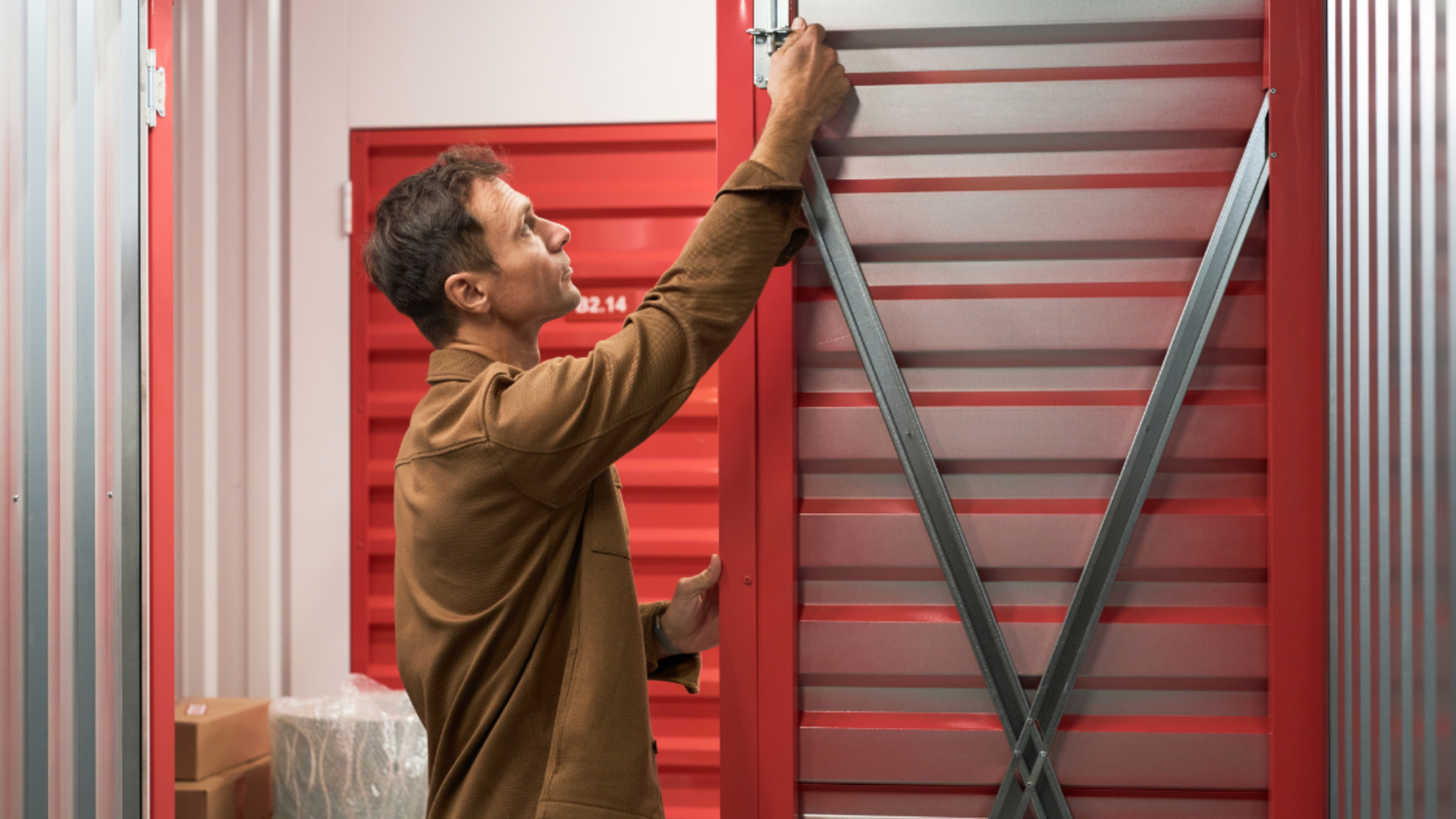
- Strong unit doors and locks (use a high-quality lock and don’t reuse old ones)
(You asked to avoid “24/7” wording, so the key is choosing a facility with solid security practices and access policies that match your schedule without relying on buzzphrases.)
| Startup Situation | Best-Fit Storage Type | Why It Works |
|---|---|---|
| You load/unload inventory weekly | Drive-up storage | Faster trips, easier handling for boxes and supplies |
| You store products sensitive to heat/humidity | Climate-controlled storage | Helps protect quality and packaging integrity |
| You need document retention space | Indoor + organized containers | Cleaner environment and easier long-term organization |
| You run pop-ups/events | Drive up or indoor (based on gear size) | Quick access to signage, tables, and displays |
| You store tools/equipment | Enclosed storage | Better protection and fewer weather-related issues |
| You need parking for business assets | Vehicle storage options | Keeps driveways/office lots clear and assets protected |
| You’re seasonal (holidays, summer demand) | Flexible storage unit size | Easier to scale storage needs up/down |
Special Use Cases: When Startups Need Parking Storage
Some startups don’t just need boxes stored; they need space for larger assets.
RV Storage For Travel-Based Or Mobile Businesses
If your startup involves:
- Mobile services
- Travel and event operations
- Tour, guide, or field-based work
…RV storage can help keep your vehicle protected and out of the way when not in use.
Boat Storage For Marine-Adjacent Businesses (Or Founders With Business Gear)
For startups tied to water sports, marina services, or vehicle storage for company cars, seasonal coastal work, and boat storage can be essential operational needs, not just personal conveniences.
Vans, Or Trailers
If your business uses:
- Work vans
- Branded vehicles
- Utility trailers
- Equipment trailers
…vehicle storage and trailer parking can reduce neighborhood/HOA issues, free up office space, and keep operations cleaner.
Packing and Storage Tips That Keep Inventory Sale-Ready
A storage unit is only as helpful as the system you use inside it. Here’s a simple setup that works for most startups.
1. Create Zones (Even In A Small Unit)
Split your unit into zones like:
- Backstock inventory
- Packaging supplies
- Event/marketing gear
- Returns/damaged items (quarantine area)
2. Label Like You’re Onboarding A New Hire
Use consistent labels:
- Product name + SKU
- Quantity
- Date received (optional, helpful for rotation)
3. Use Shelving To Protect Margins
Keeping inventory off the floor reduces damage risk and makes counting easier.
4. Build A “Pick List” Layout
Put fast-moving products near the front. Slow movers go deeper in the unit.
5. Protect Temperature- Or Moisture-Sensitive Items
If you’re not using climate-controlled storage, use sealed bins, moisture absorbers (where appropriate), and avoid storing items directly against exterior walls.
Seasonal Moments When Business Storage Is Extra Useful
If you want content that stays relevant year-round but still feels timely, storage fits naturally into a few seasonal patterns:
Spring Cleaning + Inventory Reset
Reorganize home offices and backstock
Summer Travel + Events
Pop-ups, markets, and outdoor service businesses
Back-To-School
Student businesses, resellers, dorm move cycles (great time for storage solutions)
Holiday Ramp-Up
Packaging overflow, seasonal inventory, and gifting products
End-Of-Year
Record retention, equipment storage, and planning for Q1 launches.
Even if your startup isn’t seasonal, your space needs often shift with life changes.
FAQ: Business Storage Questions Startups Ask
“Do I Need Climate-Controlled Storage?”
If you store products that can warp, melt, separate, crack, or degrade in heat/humidity, yes, it’s worth considering. If your products are stable and well-sealed, you may be fine with other storage areas, especially for short-term storage.
“Is Business Storage Only For Inventory-Heavy Companies?”
Not at all. Service businesses use storage units for tools, files, staging equipment, and marketing materials. Even digital-first startups use storage to keep operations clean and professional.
“How Do I Choose Between Drive-Up Storage And Indoor Storage?”
Choose drive-up storage if you’re loading/unloading frequently or moving heavy items. Choose indoor storage if you want a more controlled environment and don’t need vehicle access at the door every time.
“Can storage help with residential transitions too?”
Yes, and this is where residential storage overlaps with business needs. If you’re moving, downsizing, dealing with divorce, expanding your family, or navigating college transitions, storage can help stabilize your environment so your business isn’t disrupted.
Make Space to Build What You’re Building
Choose Storage That Fits Your Startup
If your startup is growing and your space is shrinking, business storage can be a practical step: it helps protect inventory, streamline daily operations, and keep your home or office organized without committing to a larger lease.
The Storage Advantage offers flexible self-storage options, including drive-up and climate-controlled units, as well as specialty options such as boat and RV storage, and other solutions designed for real-life needs.
Explore options and find a storage unit that matches your workflow at https://thestorageadvantage.com/