
What Happens If You Choose a Storage Unit That's Too Small?

Frank Bruechner • October 10, 2026

Choosing a self storage unit often seems straightforward. Many people assume that if everything technically fits inside the unit, they've selected the right size. In reality, choosing a storage unit that's too small can create unnecessary stress, increase the risk of damaged belongings, and even cost more over time.


Whether you're storing household furniture during a move, seasonal decorations, business inventory, or a recreational vehicle alongside personal belongings, selecting the proper amount of storage space matters. The right unit should provide enough room to hold your items while keeping them organized, accessible, and protected.


This guide explains what happens when you underestimate your storage needs, how to avoid common sizing mistakes, and why


The Storage Advantage offers flexible self storage options designed for a wide variety of storage situations.


Why People Choose Storage Units That Are Too Small

Many renters try to save money by selecting the smallest available unit. While that may seem practical at first, several factors often lead people to underestimate how much space they actually need.

Common reasons include:

  • Underestimating the number of belongings
  • Forgetting oddly shaped furniture
  • Not accounting for future storage needs
  • Assuming items can simply be stacked anywhere
  • Overlooking the need to access belongings later

A survey from the Self Storage Association shows that many storage customers use their unit longer than planned, so choosing the right size from the start matters even more.


The Hidden Problems of a Storage Unit That's Too Small

1. Increased Risk of Damaged Belongings

When you fill every available inch, heavy items often end up stacked on fragile possessions.

Examples include:


  • Boxes crushing one another
  • Furniture pressed against walls
  • Electronics squeezed between larger items
  • Mattresses bending under weight
  • Artwork leaning without proper protection


Research from the National Institute of Standards and Technology (NIST) shows that improper stacking and excessive loading increase the likelihood of physical damage during storage and transport.

Instead of maximizing every inch, leave small gaps between items to improve stability and reduce unnecessary pressure.


2. You Can't Find Anything

One of the biggest frustrations comes weeks or months later.

Imagine needing:

  • Important tax documents
  • Winter clothing
  • Camping equipment
  • Holiday decorations
  • Business inventory


If you must remove every box to reach the back wall, what seemed like a money-saving decision quickly becomes inconvenient.

Professional organizers often recommend creating at least one narrow access path whenever possible. According to the National Association of Productivity & Organizing Professionals (NAPO), organized storage systems reduce time spent searching for stored items and improve long-term usability.


3. Poor Air Circulation

Packed units leave little room for airflow.

While climate controlled storage helps regulate temperature and humidity, proper air circulation inside the unit still plays an important role.

Without breathing room:

  • Moisture may linger longer
  • Fabrics can develop odors
  • Cardboard weakens faster
  • Wooden furniture experiences greater environmental stress


This is especially important when storing:

  • Family heirlooms
  • Wooden furniture
  • Musical instruments
  • Important paperwork
  • Electronics


4. It Becomes Harder to Store Items Safely

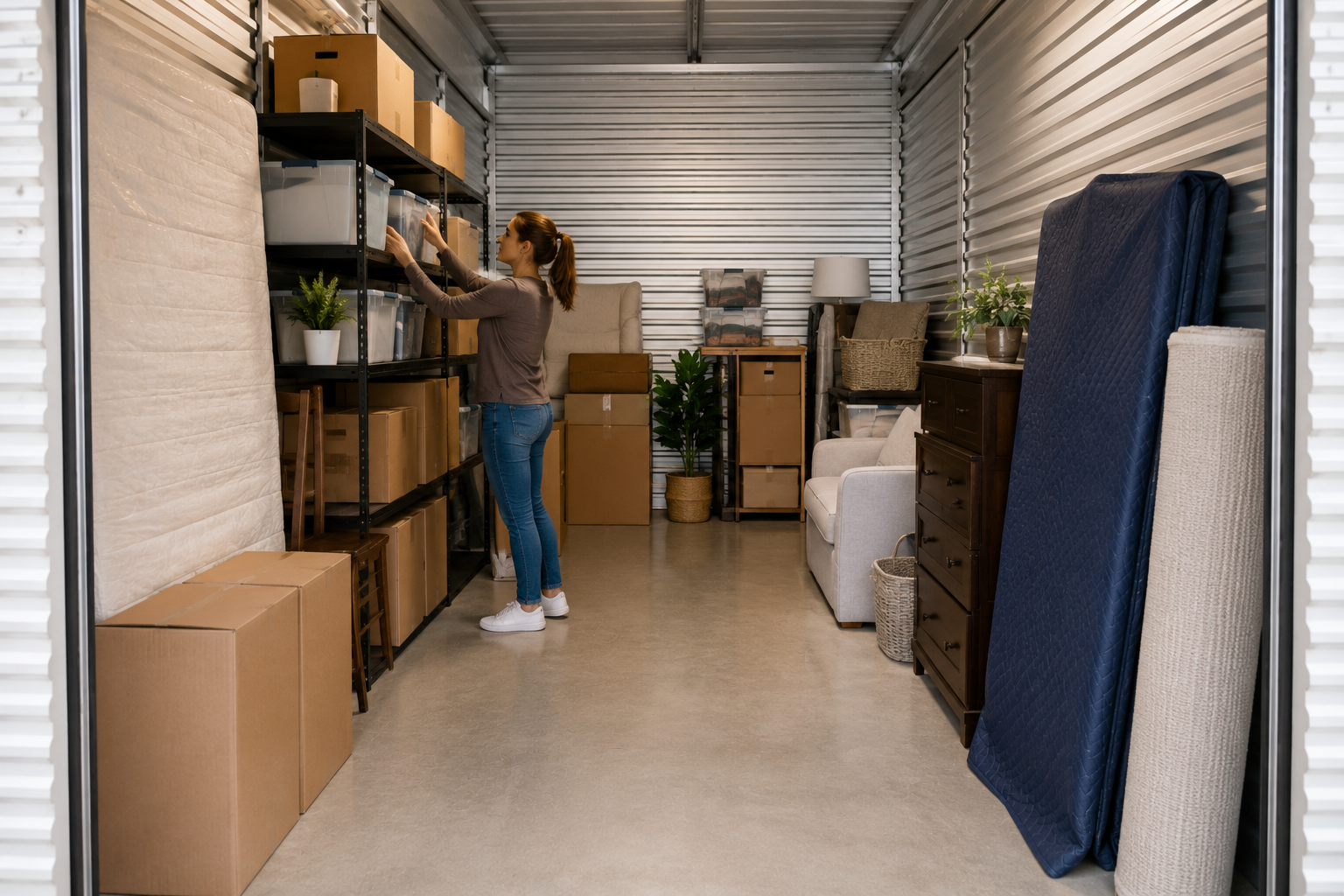
A properly packed storage unit distributes weight evenly.

A cramped unit often leads to:


  • Leaning furniture
  • Unstable stacks
  • Heavy boxes placed too high
  • Increased tripping hazards during unloading

The Occupational Safety and Health Administration (OSHA) recommends storing heavier items lower and maintaining stable stacking practices to reduce lifting injuries and prevent falling objects.


Signs Your Storage Unit Is Too Small


If any of these sound familiar, you may have underestimated your storage needs:


  • Boxes are stacked to the ceiling with no organization.
  • You can't open the door fully without items shifting.
  • You have to balance furniture instead of having it stand securely.
  • You cannot reach items in the back.
  • New belongings no longer fit.
  • You're constantly reorganizing just to retrieve one item.


These are clear indicators that upgrading your storage space could save both time and frustration.


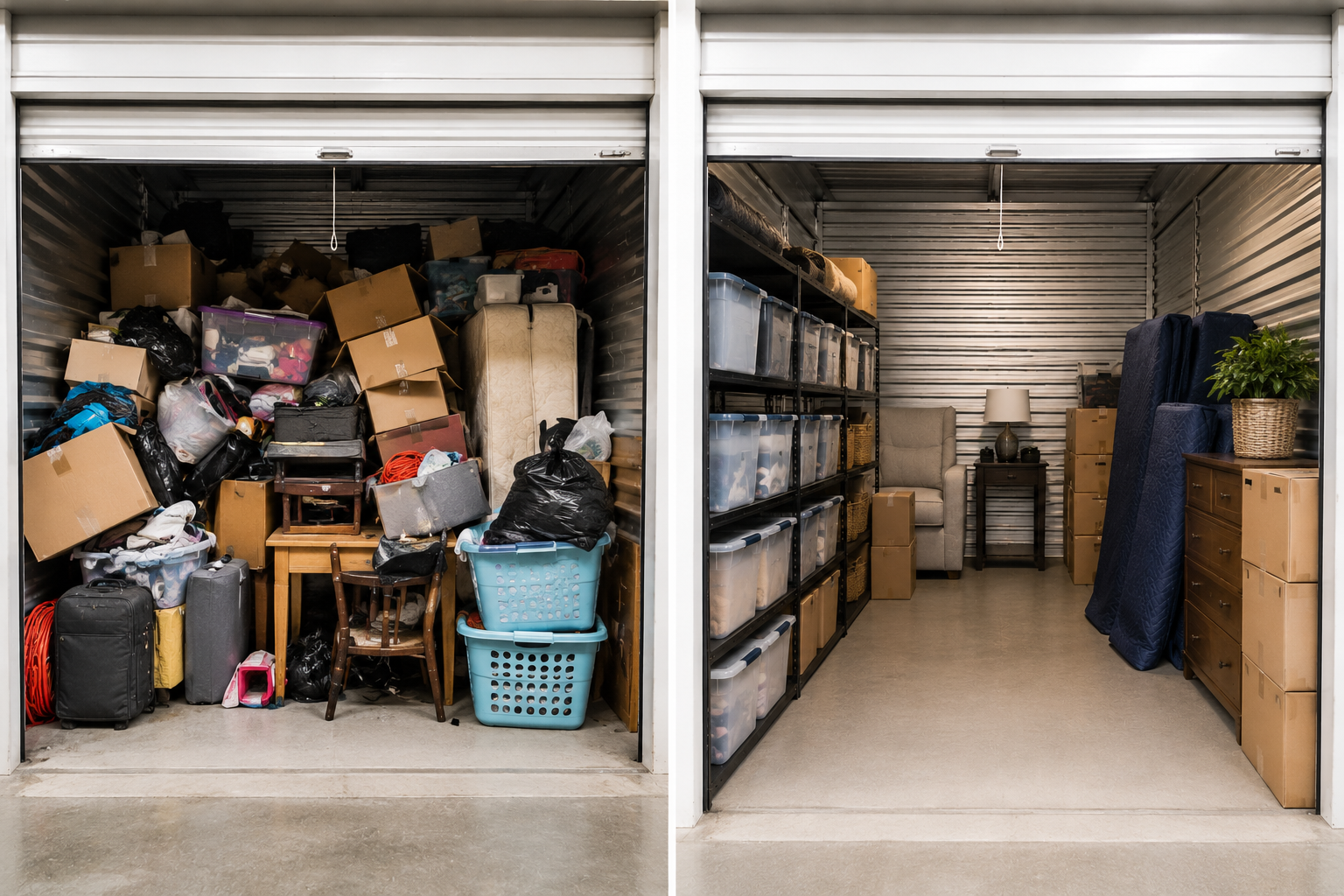
Comparing an Overfilled Unit vs. the Right Size


Storage Unit Too Small Properly Sized Storage Unit
Difficult to access items Easy organization
Higher risk of damage Better protection
Poor airflow Improved ventilation
Unstable stacking Safer weight distribution
Limited future flexibility Room for additional belongings
Longer loading time Faster loading and unloading

Storage Needs Often Grow

Many people rent storage for one reason but continue using it for several others.

Examples include:

  • Moving into a new home
  • Home renovations
  • Downsizing
  • College transitions
  • Business growth
  • Seasonal equipment
  • Family changes

A little extra storage space today often prevents you from having to relocate everything into a larger unit later.


Different Storage Situations Require Different Space


Not every storage need is the same.


Residential Storage

Household belongings often include:

  • Sofas
  • Dining tables
  • Mattresses
  • Appliances
  • Clothing
  • Family keepsakes

Extra room helps protect furniture while keeping boxes organized.


Business Storage

Many businesses rely on business storage for:

  • Inventory
  • Office furniture
  • Marketing materials
  • Documents
  • Equipment

Leaving room to rotate inventory improves efficiency and reduces handling.


Boat Storage and RV Storage

If you're using boat storage, RV storage, or other vehicle storage, choosing the right dimensions matters even more.

Adequate clearance makes parking easier while reducing the risk of accidental damage during loading and unloading.

The same applies to enclosed storage, drive up storage, and outdoor parking storage options.


Tips for Choosing the Right Storage Unit

Before renting a storage unit, create a detailed inventory.

Ask yourself:

  • Will I add more items later?
  • Will I need frequent access?
  • Am I storing fragile belongings?
  • Do I need room to walk inside?
  • Could I benefit from climate controlled storage?


Taking measurements of large furniture also helps estimate space more accurately.


If you're uncertain, choosing one size larger often provides much better organization for only a modest cost increase.


Packing Strategies That Maximize Storage Space


Even with the right-sized unit, smart packing makes a difference.

Consider these best practices:


  • Use uniform boxes for easier stacking.
  • Label every container clearly.
  • Place heavy items on the bottom.
  • Store frequently used belongings near the entrance.
  • Disassemble large furniture when possible.
  • Store mattresses upright if appropriate.
  • Leave a narrow aisle for access.
  • Protect delicate items with proper padding.


These habits help you get the most from your storage solutions while protecting your belongings over time.


Choose Storage Space That Works for You


Selecting the smallest possible unit doesn't always provide the best value. A slightly larger storage unit can improve organization, reduce the risk of damage, make retrieval easier, and accommodate changing storage needs without requiring a future move.

Whether you need residential storage, business storage, drive up storage, climate controlled storage, boat storage, RV storage, or other secure storage spaces, planning for both today's belongings and tomorrow's needs helps create a better storage experience.


Find the Right Storage Solution with The Storage Advantage


Finding the right-sized unit doesn't have to be complicated. The Storage Advantage offers a wide selection of self storage options, including climate controlled storage, drive up storage, business storage, residential storage, RV storage, boat storage, vehicle storage, and more.

If you're unsure which storage unit best fits your belongings, visit https://thestorageadvantage.com/ to explore available storage solutions and choose a unit that provides the space, convenience, and flexibility you need.


By Frank Bruechner • October 2, 2026
Running a home-based business offers flexibility and lower operating costs, but it also creates one common challenge: space. Whether you're storing inventory, shipping supplies, equipment, documents, or seasonal products, it's easy for your home to become overcrowded. Instead of sacrificing valuable living space, many entrepreneurs turn to self storage as an affordable way to keep their businesses organized while maintaining a productive work environment. The right storage solutions can help improve efficiency, protect valuable assets, and create room for business growth.

By Frank Bruechner • September 25, 2026
Settling an estate after the loss of a loved one is often both emotionally and logistically challenging. Families frequently need to sort through years of personal belongings while coordinating with relatives, attorneys, real estate professionals, and executors. Making rushed decisions during this process can lead to unnecessary stress and even the accidental disposal of valuable or sentimental items.  This is where self storage can provide practical support. Temporary storage units give families the time and space needed to organize possessions, prepare homes for sale, and complete probate responsibilities without feeling pressured. Whether you need climate controlled storage , drive up storage , or other secure storage options, choosing the right storage solution can make estate cleanouts significantly more manageable.