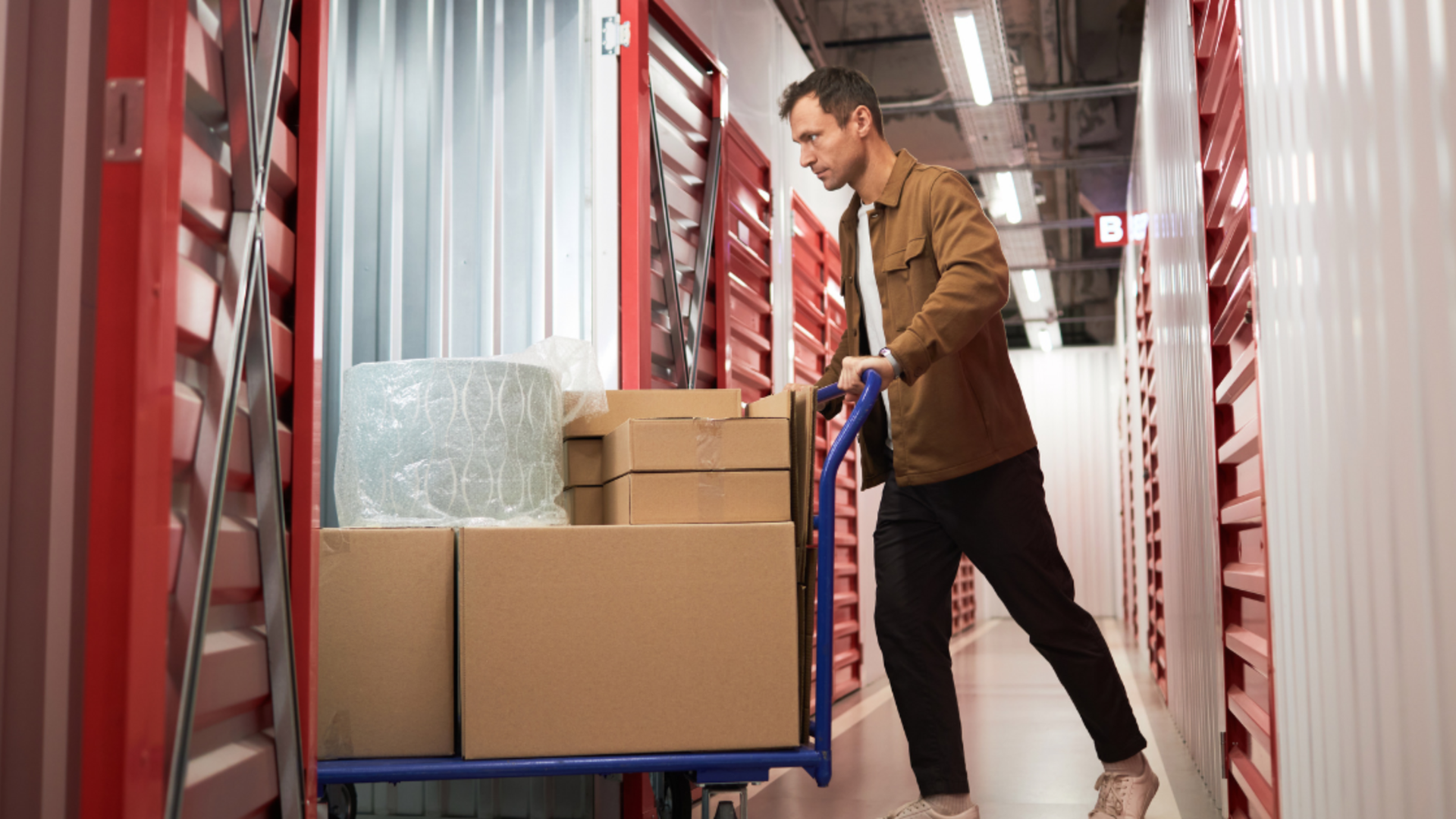
Why Self Storage Is a Smart Move for Frequent Travelers
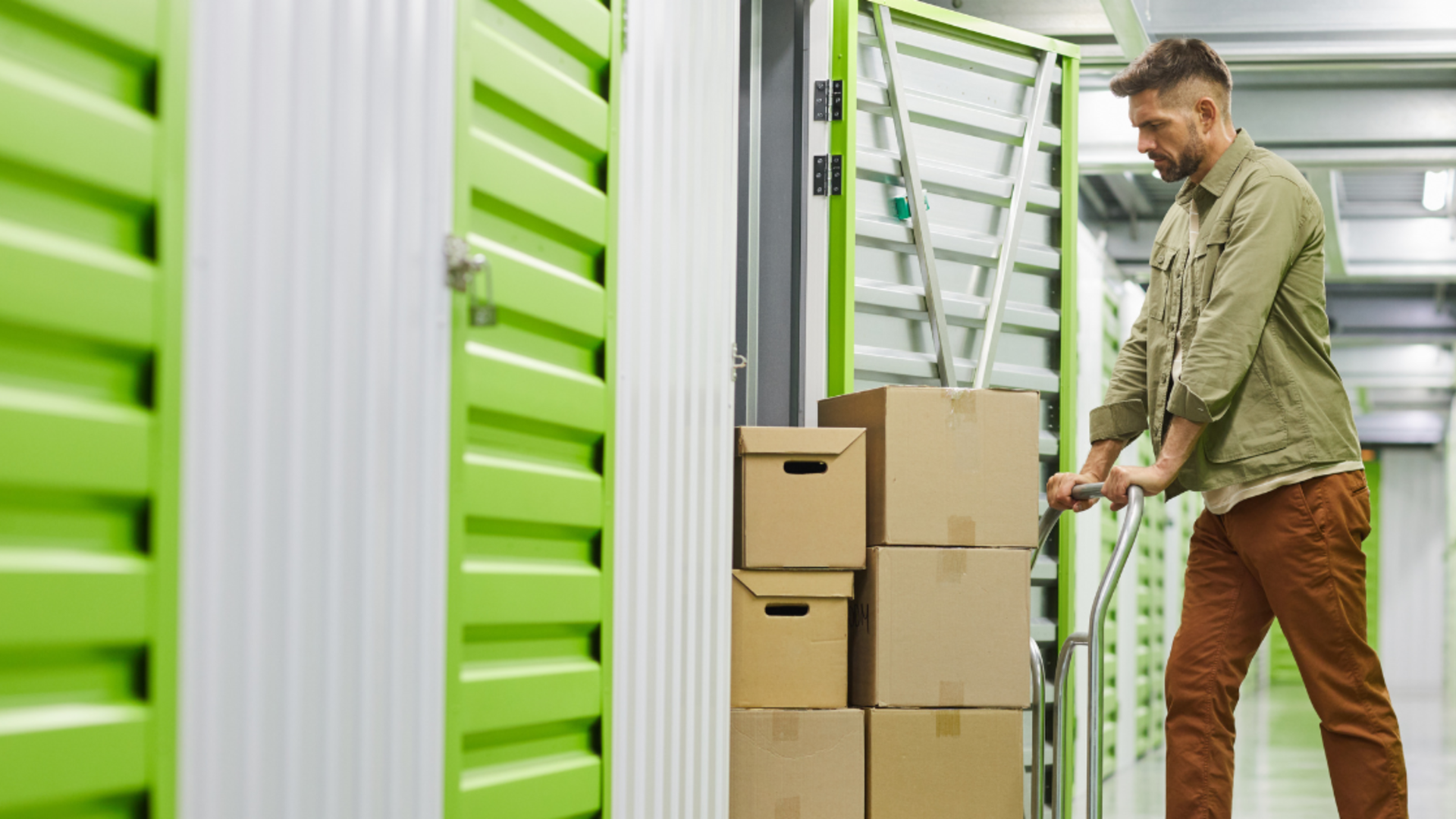
Frequent travel is fun until it starts to feel like you’re constantly re-packing your life. Maybe you bounce between work trips, weekend getaways, and long visits with family. Maybe you’re a seasonal traveler who disappears for a month (or three) at a time. Either way, the challenge is the same: how do you keep your home and belongings secure, organized, and stress-free while you’re away?
That’s where self-storage becomes a practical, surprisingly “adult” solution. The right storage unit can help you protect valuables, reduce clutter, simplify packing, and even solve bigger problems, such as where to store an RV, boat, or extra vehicle when you’re not using it.
Below is a complete, traveler-focused guide to choosing the best storage solutions, including climate-controlled storage, drive-up storage, boat storage, RV storage, business storage, and more, without getting overly complicated.
The Traveler’s Problem: You Can’t Be Home To Manage Your Stuff
When you travel often, you’re not just leaving your home, you’re leaving your stuff unattended:
- Seasonal clothes and gear you don’t need right now
- Sentimental items you don’t want sitting in a closet “just in case.”
- Sports equipment, camping bins, or bulky hobby items
- Work materials, inventory, or samples for side projects
- Furniture and boxes if you’re between places
- Vehicles, trailers, or watercraft that need a safe place to live
Over time, it adds up. Closets overflow. Garages turn into obstacle courses. If you’re away for weeks, you may worry about heat, humidity, pests, or wear and tear from poor storage conditions.
Storage facilities exist for this exact reason: to provide flexible storage spaces that keep your belongings in better shape and make your home easier to manage.
Why Self Storage Works So Well for Frequent Travelers
1. It Reduces “Pre-Trip Chaos.”
If you’ve ever cleaned your house in a rush before catching a flight, you know the feeling. Self-storage helps because you can:
- Keep a dedicated “travel staging” area at home (clean and clear)
- Store seasonal or bulky items off-site
- Avoid last-minute shuffling from closet to garage to spare room
With fewer piles and fewer decisions, it’s easier to leave your home in good order and easier to return without feeling like you’re walking into unfinished chores.
2. It Protects Belongings From Weather Swings And Humidity
If you store sensitive items in a hot garage or a damp basement, you’re taking a risk. Heat, moisture, and temperature swings can contribute to warping, musty odors, and mold risk.
A key reason travelers choose climate-controlled storage is stability. Many materials (paper, textiles, leather, wood, electronics) perform better when temperature and humidity are kept within safe ranges.
Guidance on indoor humidity typically recommends keeping relative humidity below levels that promote condensation and mold growth; for example, EPA training materials note that relative humidity above 60% can lead to condensation and mold growth. Industry guidance (including ASHRAE references) often recommends maintaining indoor relative humidity within a moderate range (typically 30–60%, depending on context).
Translation For Real Life
If you travel often and want your items to smell clean and remain in good condition, climate-controlled storage can be worth it, especially for fabrics, books, photos, instruments, and electronics.
3. It Helps You Keep A Smaller Home Footprint
A lot of frequent travelers eventually realize: “I don’t need a bigger house. I need a better system.”
Self-storage can support:
- minimalist living (without throwing everything away)
- smaller apartments while traveling more
- shorter leases or furnished rentals
- seasonal “swap-outs” (winter gear ↔ summer gear)
You keep what you value, just not all under one roof.
4. It Makes Long Trips And Life Transitions Easier
Frequent travel often coincides with life changes, including new jobs, relocations, relationship changes, blended families, downsizing, or college schedules.
Having flexible storage solutions lets you move at your own pace instead of rushing decisions like:
- “Do we sell this furniture?”
- “Do we bring everything to the new place?”
- “Where do we put boxes while we renovate?”
- “How do we divide items during a divorce or separation?”
Storage units give you breathing room when timing is messy.
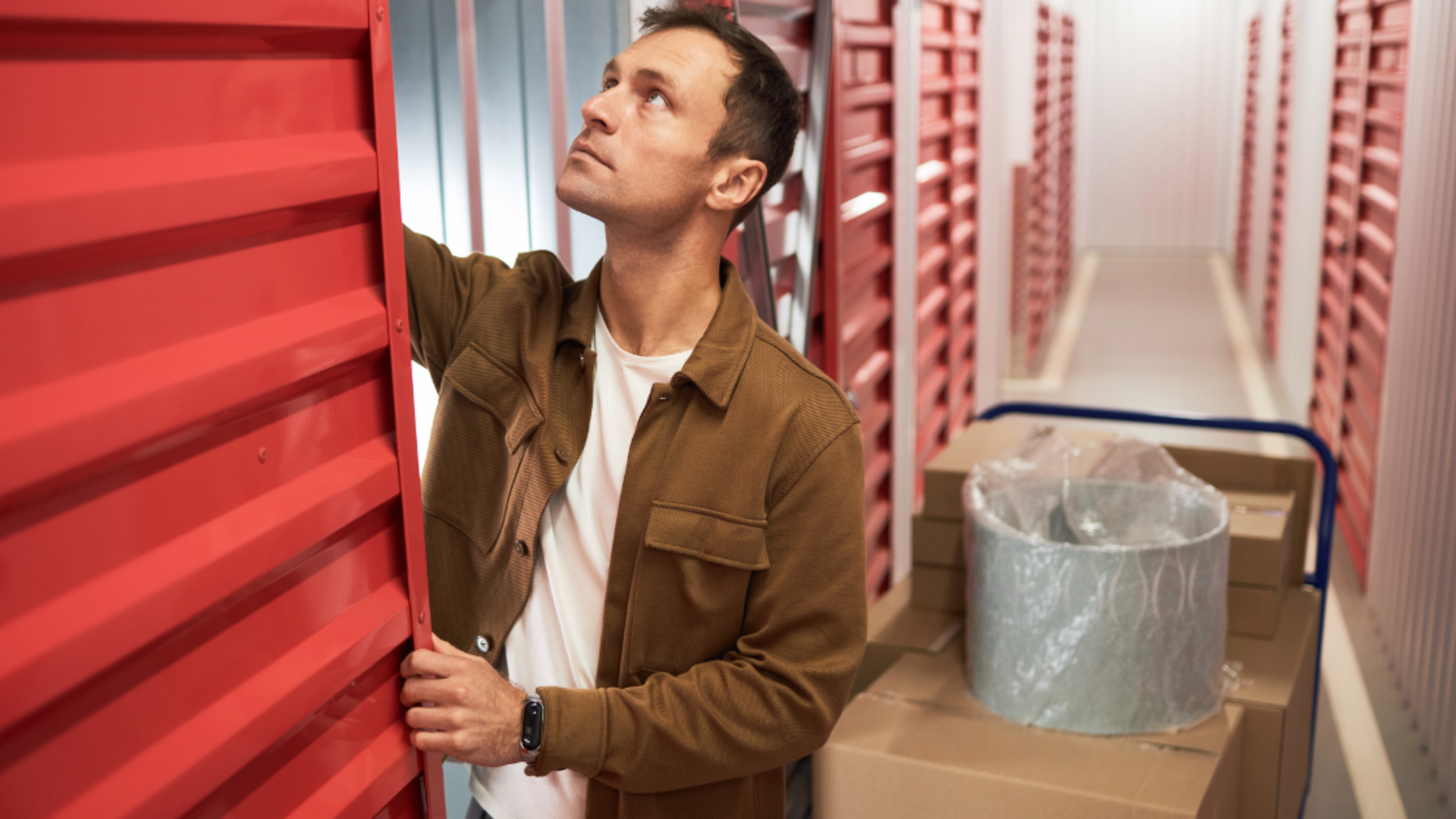
What to Store: A Traveler-Friendly Guide to Storage Unit Types
Different travel lifestyles need different storage spaces. Here’s a simple breakdown.
| What you’re storing | Best-fit storage solution | Why it’s traveler-friendly |
|---|---|---|
| Suitcases, seasonal clothes, holiday décor | Indoor storage units | Keeps your home uncluttered year-round |
| Furniture during long trips or relocations | Climate-controlled storage | Helps protect fabrics/wood from humidity swings |
| Bikes, bins, camping gear | Drive-up storage | Easy loading and unloading before/after trips |
| Important documents, photos, electronics | Climate-controlled storage | More stable conditions for sensitive items |
| Business inventory, samples, tools | Business storage | Separates work items from home life |
| The car you’re not using for months | Vehicle storage / enclosed storage | Keeps it out of the way and protected |
| RV or trailer | RV storage | Free driveway space and adds dedicated parking |
| Boat or jet ski | Boat storage | Safer than leaving it exposed season after season |
Picking the Right Storage Unit When You Travel Often
1. Start With Your “Travel Frequency.”
Ask yourself:
- Do I travel most weekends, monthly, or seasonally?
- Do I need quick access between trips, or only occasionally?
- Do I store valuables or mostly bulky gear?
If you access items frequently, drive-up storage can be a big convenience. If you store sensitive items and access them less often, climate-controlled storage may be the better value.
2. Choose Climate Control For “Damage-Prone” Categories
Climate control isn’t for everything, but it’s smart for:
- upholstered furniture, mattresses, rugs
- books, papers, photos, artwork
- electronics, musical instruments
- clothing you want to keep fresh
Humidity is one of the leading causes of musty odors and mold risk. The EPA warns that keeping indoor humidity below the level that causes condensation helps reduce mold growth.
3. Think “Secure Storage,” Not “Hidden Storage.”
Travelers often store higher-value items when they’re away from home and can't monitor them. Look for storage facilities that offer practical security features (controlled gates, cameras, good lighting, on-site management, and strong locks).
A quick note: don’t store irreplaceable items without a plan. Consider:
- Photos of what’s stored (simple inventory)
- Labeling boxes clearly
- Storing valuables off the floor on shelves
- Checking your homeowner’s/renter’s insurance coverage for off-site storage
4. Use Packing Methods That Make Coming Home Easier
Packing isn’t just about fitting items; it’s about finding them later.
Traveler-friendly packing tips:
- Group by purpose: “Beach,” “Ski,” “Work Trip Gear,” “Kids Travel”
- Put a label on every side of the box (not just the top)
- Use clear bins for frequently accessed categories
- Keep a “return home” bin: chargers, spare toiletries, small essentials
- Leave an aisle so you can reach the back without unloading everything
This is how storage stops being a “unit full of mystery boxes” and becomes a real system.
Smart Seasonal Storage Ideas for Travelers
If you want seasonally relevant content that actually helps people, here are patterns that show up every year:
Winter travel (and post-holiday reset)
- Store holiday décor once it’s packed (instead of stuffing closets)
- Rotate winter sports gear out after the season
- Use climate-controlled storage for winter clothing you won’t wear again for months
Spring and summer travel
- Create a “trip-ready” camping bin or beach bin in your storage unit
- Store bulky strollers, extra patio items, or off-season gear
- If you tow, consider trailer storage or RV storage to keep your driveway clear
Fall transitions
- Great time for downsizing, moving, and reorganizing
- Store items during home projects and renovations
- Set up business inventory for holiday selling without taking over your home
RV Storage and Boat Storage: A Travel Upgrade You’ll Feel Immediately
If you travel often and you own big toys (RV, boat, trailer), storage can be more than convenient; it can be the difference between enjoying them and constantly stressing about where they sit.
RV Storage Benefits For Frequent Travelers
- Keeps your RV out of tight driveways and crowded streets
- Makes it easier to prep and load before a trip
- Frees space for everyday life at home
Boat Storage Benefits (Especially In Colder Seasons)
- Helps protect your boat from weather exposure when it’s not in use
- Makes seasonal routines simpler (clean, cover, store, repeat)
If you’re winter-storing a boat, many checklists include common steps such as cleaning/drying, fuel stabilization, and draining water systems to prevent freezing damage. (Always follow your manufacturer's guidance for your specific boat and engine.)
Business Storage for Travelers: Keep Work Separate From Home
A lot of frequent travelers are also:
- remote workers
- consultants
- sales reps
- small business owners
- side-hustle builders
Business storage can help you keep:
- product inventory
- marketing materials and signage
- tools and equipment
- samples and trade show items
…without turning your living room into a warehouse.
It’s also a clean way to stay organized when you’re traveling: you return, restock, grab what you need, and go without digging through closets.
FAQ: Frequent Traveler Storage Questions
Is Self-Storage Worth It If I Travel Only A Few Times A Year?
It can be especially if your travel is long (two weeks or more) or seasonal. The biggest value is reducing clutter and protecting items you don’t want sitting in garages, basements, or spare rooms.
What’s The Difference Between Drive-Up Storage And Indoor Storage Units?
Drive-up storage is designed for easy loading/unloading from your vehicle. Indoor storage units are typically located within a building and may offer more stable conditions and protection from weather exposure.
Do I Need Climate-Controlled Storage?
If you’re storing items sensitive to temperature and humidity fluctuations, such as fabrics, paper, electronics, and wooden furniture, climate-controlled storage is often the safer option. Higher humidity levels can increase the risk of condensation and mold issues.
Can I Use A Storage Unit During A Move Or Relocation?
Yes, this is one of the most common reasons people rent storage units. It provides flexibility if your move-in and move-out dates don’t align, or if you’re traveling during the transition.

Ready to Travel Lighter? Store Smarter
Make Self Storage Part of Your Travel System
Frequent travel is easier when your home base is simple, organized, and secure without forcing you to part with items you still want and use. The right self-storage plan provides dependable storage solutions for everyday clutter, seasonal gear, major life transitions, and larger needs such as boat and RV storage.
If you’re ready to create a storage setup that supports your travel lifestyle, explore unit options, features, and availability with The Storage Advantage. Start with their storage units near me page to find the right fit for your next season of trips.