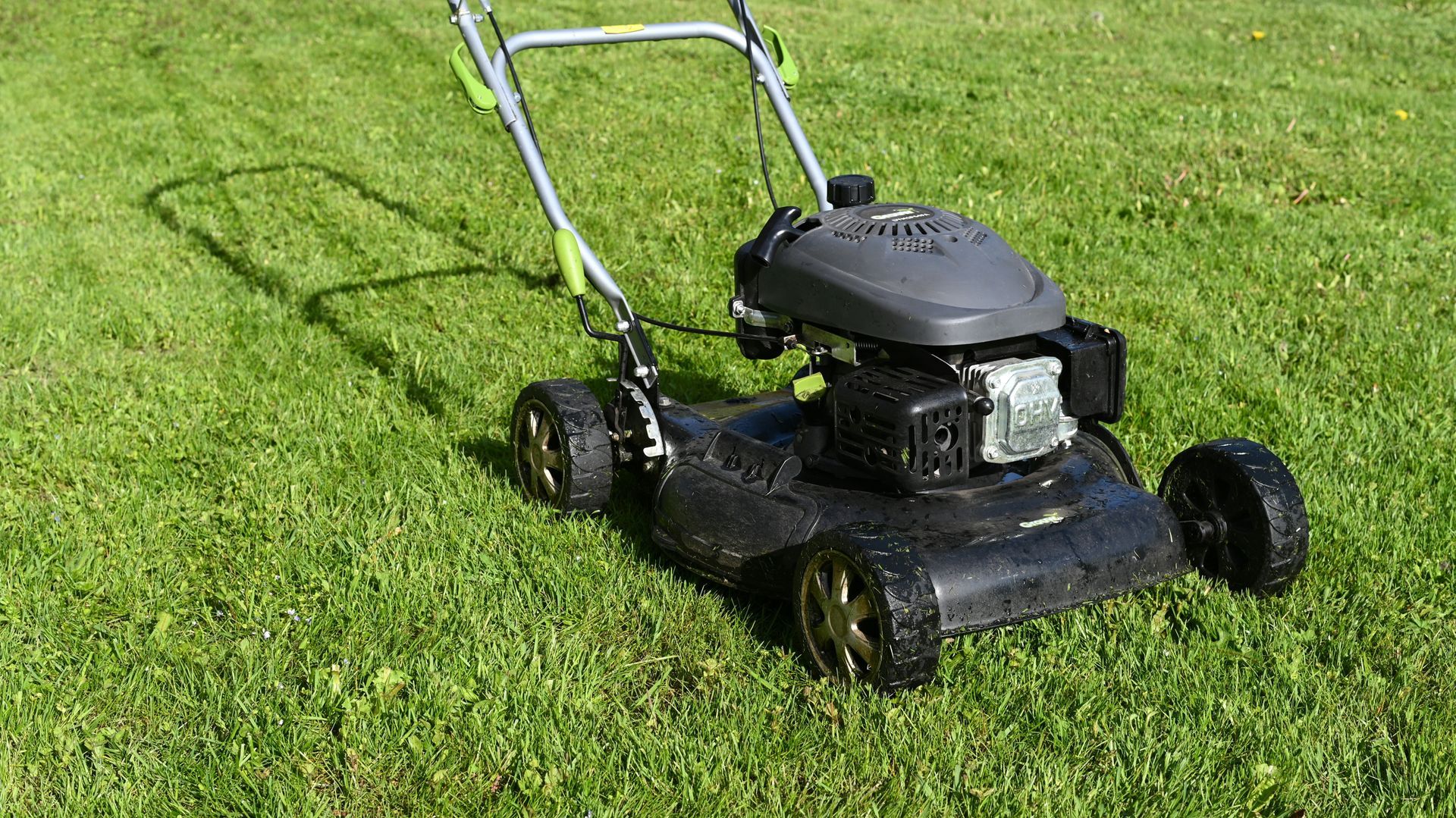
As the mowing season winds down and colder weather begins to settle in, many homeowners shift their focus from yard maintenance to winter preparation. One essential but often overlooked task is learning how to store a lawn mower for the winter properly. While it may seem simple to park your mower in a corner and forget about it, doing so without preparation can lead to costly repairs, rust damage, and frustrating delays when spring returns.
Taking a more thoughtful approach ensures your mower remains reliable and ready to go when the grass starts growing again. It also helps protect your investment, especially if you rely on your equipment regularly throughout the year. For those who need extra space or a more controlled environment for seasonal storage,
lawn-mower storage options are available at The Store Advantage to keep equipment protected during the off-season.
Why Proper Winter Storage Matters
Before diving into the steps, it helps to understand why proper storage is so important in the first place. Lawn mowers are built to handle outdoor conditions, but they are not designed to sit idle for months without care. When left untreated, fuel begins to break down, moisture accumulates in small crevices, and internal components can slowly deteriorate.
This becomes even more significant when you consider how varied the climates are across the United States. A mower stored in humid Mississippi faces very different challenges than one stored in dry Colorado or freezing Michigan. Recognizing these differences allows you to take the right precautions based on your environment.
Proper maintenance and storage can significantly extend the lifespan of machinery and improve efficiency over time. That means the effort you put in now pays off in both performance and long-term savings. With that in mind, it becomes clear that winter storage is less about putting equipment away and more about preserving it for future use.
Step by Step: How to Store a Lawn Mower for the Winter
Now that the importance is clear, let’s walk through the process in a way that builds confidence and ensures nothing is overlooked.
1. Start with a Deep Clean
The first step sets the tone for everything that follows. After months of use, your lawn mower is likely covered in grass clippings, dirt, and debris. While this might seem harmless, these materials trap moisture and can lead to rust or corrosion during storage.
Take the time to clean the underside of the deck as well as the exterior. A brush works well for removing buildup, and a light rinse can help clear stubborn residue. Be sure to dry the mower completely before moving on, especially in humid regions like Alabama, Florida, and Louisiana, where lingering moisture can cause problems quickly. Cleaning also gives you a chance to inspect your mower more closely, making it easier to spot any damage or wear that needs attention.
2. Address the Fuel System Carefully
Once the mower is clean, the next step involves handling the fuel properly. Gasoline does not age well, and when left sitting in the tank for months, it can break down and form deposits that clog the engine. You can approach this in one of two ways. Some people prefer to run the mower until the tank is empty, effectively removing fuel from the system. Others choose to add a fuel stabilizer, which helps preserve the gasoline and prevent buildup.
This step is especially important in colder states like North Dakota, Nebraska, and Massachusetts, where temperature drops can accelerate fuel degradation. By stabilizing or removing fuel, you reduce the risk of engine trouble when spring arrives.
3. Change the Oil and Refresh Key Components
After addressing the fuel, it is a good idea to replace the oil. Used oil contains impurities that can harm internal parts if left sitting for extended periods. Fresh oil creates a protective environment inside the engine and prepares it for future use. At the same time, check the air filter and spark plug. Replacing or cleaning these components ensures that your mower will start smoothly when you need it again. This step often gets skipped, but it plays a major role in keeping your equipment dependable. Think of it as setting your mower up for success rather than dealing with problems later.
4. Remove and Protect the Battery
If your lawnmower includes a battery, it should not be left exposed to winter conditions. Cold temperatures can drain battery life and even cause permanent damage. Disconnect the battery and store it in a cool, dry place where temperatures remain stable. This is particularly important in regions like Michigan, New York, and Pennsylvania, where winter conditions can be harsh and prolonged. Taking this extra step helps ensure that your mower will start without issue when warmer weather returns.
5. Sharpen and Inspect the Blades
With the internal components handled, it is time to focus on the cutting system. Dull blades not only affect performance but can also develop rust during storage. Sharpening the blades before storing your mower gives you a head start for the next mowing season. It also allows you to inspect for any damage or imbalance that could affect operation. This step aligns well with the overall goal of winter storage, which is to minimize the workload required when spring arrives.
6. Choose the Right Storage Location
After preparing your mower, the final step is selecting a proper storage location. This decision has a direct impact on the preservation of your equipment over time. A dry, covered space is essential. Garages and sheds are common options, but they can become crowded, especially during the winter months when seasonal items accumulate. That is where additional storage solutions can make a difference. If space is limited, exploring ideas from our guide on decluttering your garage and why a storage unit might be the best option can help create a more organized environment while keeping your mower protected.
Quick Reference Checklist
To bring all of these steps together, here is a simple checklist you can follow before storing your mower:
- Clean all surfaces and remove debris
- Drain or stabilize the fuel
- Replace oil and inspect filters
- Disconnect and store the battery
- Sharpen blades and check for damage
- Store in a dry, protected space
Having a checklist makes the process easier to repeat each year and ensures nothing gets overlooked.
How Climate Affects Lawn Mower Storage
While the core steps remain the same, climate plays a significant role in how you approach storage. The Store Advantage serves customers across a wide range of states, each with unique environmental conditions that influence how equipment should be stored.
Regional Storage Considerations