How to Store Coats in a Storage Unit: A Complete Guide for Long-Term Protection

April 9, 2026

Learning how to store coats in a storage unit properly is one of those tasks that seems simple at first, yet it requires thoughtful preparation to truly protect your investment. Coats are not just seasonal items. They are often made from delicate, high-quality materials that can lose their structure, texture, and warmth if stored incorrectly. Because of this, taking a strategic approach to storage can make a noticeable difference when the next cold season arrives.

Across states like Colorado, New York, Illinois, and Texas, storage needs vary significantly due to differences in climate and lifestyle. While someone in Massachusetts may rotate heavy winter coats every year, someone in Florida or Louisiana might store theirs for extended periods. In both cases, having access to a reliable storage solution becomes essential. Facilities like The Store Advantage provide self-storage options designed to accommodate these regional differences. With that in mind, this guide takes a deeper look at how to store coats in a storage unit step by step, while also considering environmental factors, organization strategies, and long-term preservation techniques.


Why Proper Coat Storage Deserves Attention

At first glance, it may seem acceptable to simply place coats in a box and move on. However, this approach often leads to issues that only become apparent months later. Fabrics such as wool, down, and leather are especially sensitive to environmental changes, and even minor exposure to moisture or heat can lead to long-lasting damage.

For example, coats stored in humid regions like Georgia, Mississippi, or South Carolina are more susceptible to mold and mildew. On the other hand, in drier areas like Utah or New Mexico, materials such as leather can become brittle without proper conditioning. Because of these variations, understanding how your local environment interacts with stored items becomes just as important as the storage method itself.

According to the American Cleaning Institute, proper garment care before storage helps prevent fiber breakdown and extends the life of clothing. This reinforces the idea that storage is not just about space saving. It is about preservation.


Step-by-Step Guide: How to Store Coats in a Storage Unit

Start with Thorough Cleaning

To begin with, every coat should be cleaned before it goes into storage. Even if a coat appears clean, small amounts of body oils, dirt, or residue can attract pests and lead to fabric deterioration over time. This is particularly important for natural fibers like wool, which are more vulnerable to damage. Dry cleaning is typically recommended for structured or delicate coats, while machine-washable options should be cleaned and completely dried. It is important not to rush this step. Storing a slightly damp coat, even unintentionally, can create the perfect environment for mildew to develop, especially in humid states such as Alabama or Arkansas.


Select the Right Storage Containers

Once coats are clean, the next step involves choosing the appropriate storage containers. This decision plays a major role in how well your coats are protected over time. While plastic bins are commonly used due to their durability, they should be paired with moisture control solutions to avoid trapped humidity.


Storage Option Best Use Case Advantages Considerations
Plastic bins with lids General storage Protects from dust and pests Needs moisture absorbers
Breathable garment bags Wool and formal coats Maintains airflow and shape Less rigid protection
Vacuum-sealed bags Short-term storage Saves space Not ideal for delicate fabrics
Cedar storage Natural fibers Natural pest deterrent Limited storage capacity

In many cases, combining garment bags with protective bins offers a balanced approach. This allows coats to breathe while still being shielded from external elements.


Decide Whether to Fold or Hang

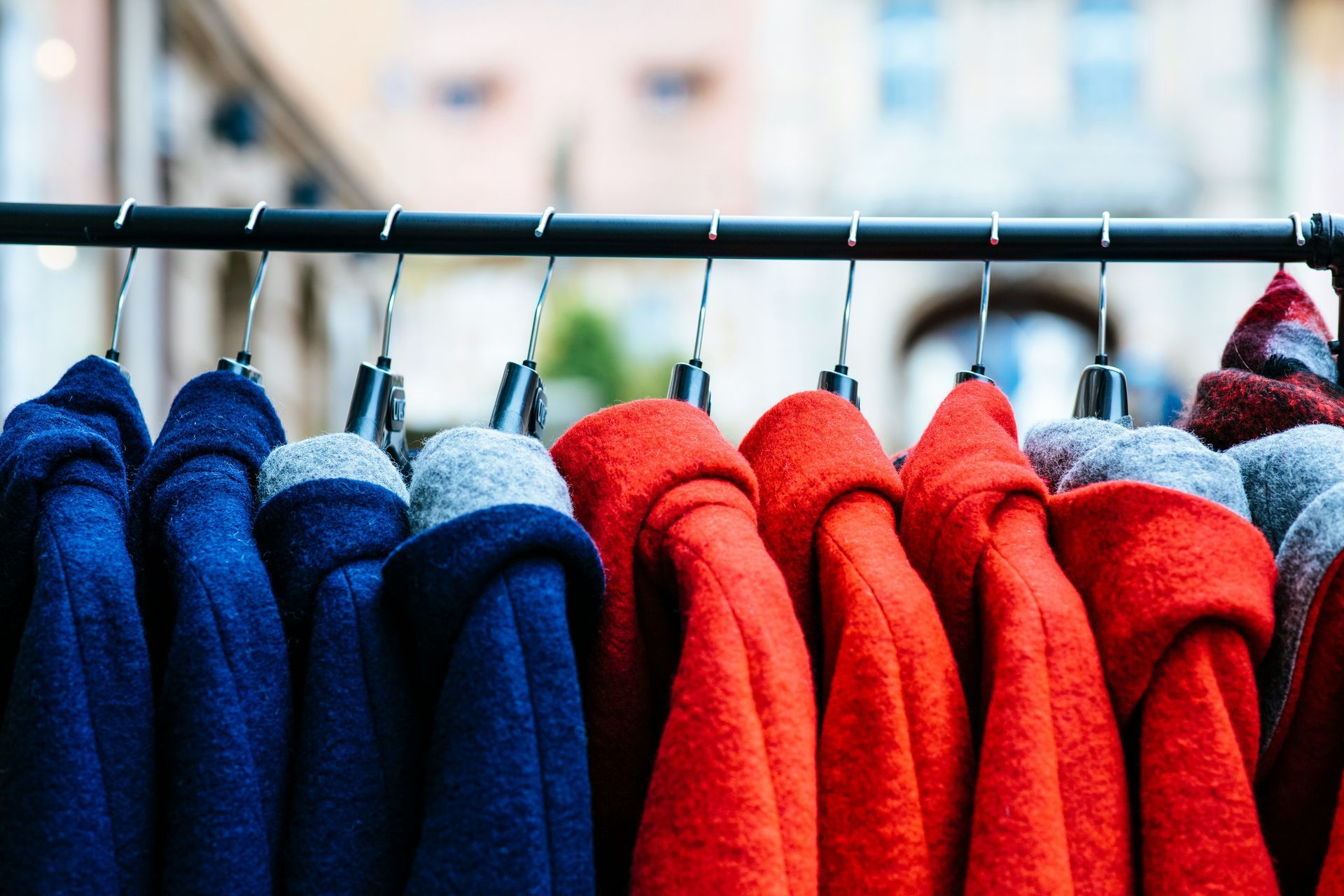
At this point, it becomes important to determine how each coat should be stored physically. Heavier coats, such as wool overcoats or structured jackets, benefit from being hung on sturdy, padded hangers. This helps maintain their shape and prevents stress on seams. Meanwhile, lighter coats can be folded carefully, provided they are not compressed too tightly. Overpacked storage containers can lead to deep creases that are difficult to remove. Therefore, leaving a bit of space between items helps preserve their original form.


Understanding Climate Differences Across Regions

As you continue preparing your coats for storage, it becomes clear that climate plays a significant role in the process. The Store Advantage operates in a wide range of states, each with its own environmental characteristics that influence storage conditions.

In humid states like Florida, Louisiana, and Georgia, moisture control becomes a priority. Using desiccants or moisture-absorbing products can help reduce the risk of mold. Additionally, placing items slightly above the ground improves airflow and prevents dampness from affecting fabrics. In colder regions such as Michigan, North Dakota, and Pennsylvania, temperature fluctuations between seasons can still impact stored items. While these areas may not have high humidity year-round, sudden changes in temperature can stress materials over time.

Meanwhile, in states like Colorado and Oregon, where outdoor recreation such as hiking and skiing is common, technical outerwear often requires specialized care. These garments may include waterproof coatings or insulation that can degrade if not stored properly. The National Park Service highlights how environmental exposure affects gear performance, which further emphasizes the need for proper storage practices.


The Role of Climate-Controlled Storage

Given these regional differences, climate-controlled storage becomes an increasingly valuable option. Unlike standard units, these spaces maintain consistent temperature and humidity levels, reducing the risk of damage caused by environmental fluctuations.

For coats made from wool, leather, or down, this consistency can significantly extend their lifespan. Additionally, long-term storage in climate-controlled units helps prevent odors and fabric weakening that often result from prolonged exposure to heat or moisture. For a deeper understanding of these benefits, you can explore this guide on climate-controlled storage for sensitive items.


Feature Standard Storage Climate Controlled Storage
Temperature Fluctuates Stable year-round
Humidity Unregulated Controlled
Fabric protection Moderate High
Long-term storage Suitable Ideal

Organizing Your Storage Unit Efficiently

Beyond preparation, organization within the storage unit itself plays a key role in maintaining coat quality. Rather than stacking items randomly, it is helpful to create a layout that allows easy access while minimizing pressure on stored garments.

For instance, placing heavier bins at the bottom and lighter items above them prevents crushing. Keeping coats toward the front of the unit also makes seasonal transitions more convenient. Additionally, leaving small gaps between containers improves airflow, which is especially important in humid environments like South Carolina or Mississippi. If you are looking to refine your setup further, these tips for organizing your storage unit like a pro provide practical insights that complement coat storage strategies.


Practical Tips to Protect Coats Long Term

While the main steps cover the essentials, a few additional practices can make a noticeable difference over time.

  • Use natural repellents such as cedar blocks or lavender sachets to deter pests without introducing harsh chemicals
  • Elevate storage containers using pallets or shelving to reduce contact with potential moisture on the floor
  • Allow space between garments to promote airflow and reduce the risk of trapped humidity
  • Check on stored items periodically, particularly in regions with high humidity or temperature swings

These small but effective habits help maintain the integrity of your coats and reduce the likelihood of unpleasant surprises when you retrieve them.


Lifestyle and Storage Across Different States

Interestingly, how people store coats often reflects how they use them. In states like New York, Illinois, and Ohio, coats are part of daily life during colder months, which means they are rotated frequently. Proper storage ensures they remain reliable year after year. In contrast, in warmer states such as Texas, Florida, and New Mexico, coats may only be used occasionally. As a result, they spend more time in storage, making proper preservation even more important.

Meanwhile, in places like Colorado, Utah, and Oregon, outdoor activities such as skiing, camping, and hiking require specialized outerwear. These garments often represent a higher investment and benefit greatly from thoughtful storage practices between seasons. The National Park Service offers extensive information about outdoor recreation across these regions, helping residents make the most of their gear while keeping it well-maintained.


Common Mistakes That Can Lead to Damage

Despite good intentions, certain mistakes can compromise the condition of stored coats. One of the most common issues is storing garments without cleaning them first. This allows residues to settle into fabrics and attract pests over time. Another frequent mistake involves overpacking containers. While it may seem efficient, compressing coats can distort their shape and weaken fibers. Similarly, ignoring climate conditions can lead to problems such as mold in humid states like Louisiana or fabric brittleness in drier areas like Nebraska.

By recognizing these pitfalls early, it becomes easier to avoid them and create a storage system that truly protects your clothing. Ultimately, understanding how to store coats in a storage unit involves a combination of preparation, environmental awareness, and thoughtful organization. Each step, from cleaning and packing to selecting the right storage environment, contributes to preserving the quality and functionality of your outerwear.

Across a wide range of states, including Virginia, North Carolina, Kansas, and Indiana, storage needs may differ, but the goal remains the same: keeping coats in excellent condition until they are needed again. Facilities like The Store Advantage provide self-storage solutions for sensitive items that adapt to these varying conditions, offering reliable options for long-term storage. By approaching storage with care and attention to detail, you ensure that your coats remain ready to perform, season after season, without compromising their comfort or appearance.


Clothes hanging on a rack
April 9, 2026
Learn how to store hanging clothes in a storage unit safely. Discover expert tips, climate considerations, and organization strategies across multiple U.S. regions.
Lawn mower on grass
April 1, 2026
Discover how to store a lawn mower for the winter with step-by-step tips, climate-specific advice, and smart storage solutions for every region.