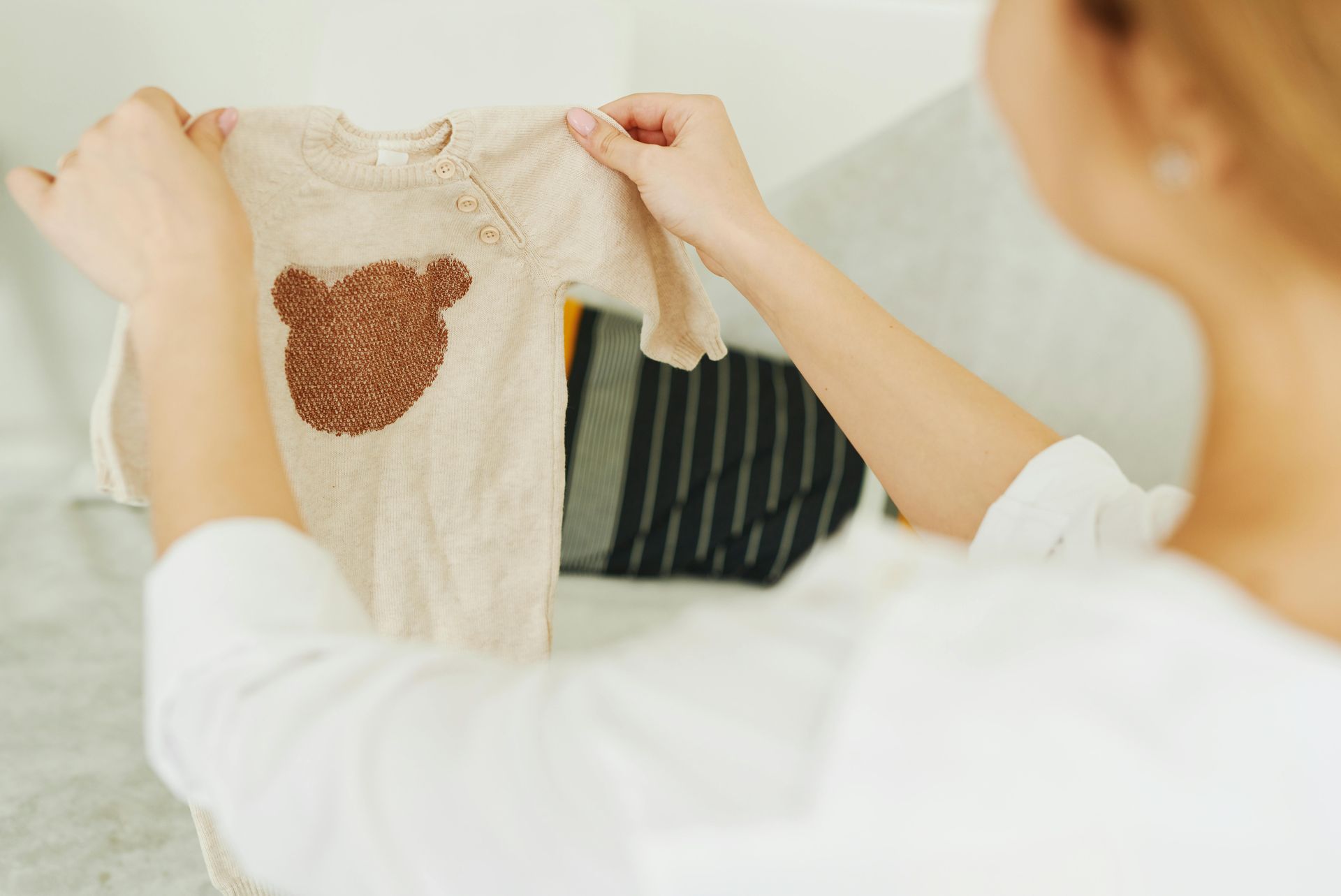
Those tiny onesies and soft blankets may no longer be in daily use, but they still carry a quiet kind of importance. Over time, many families find themselves wondering what to do with these pieces that feel too meaningful to give away. That is where understanding how to store baby clothes long-term becomes essential, not just for practicality, but for preservation.
At first glance, it is as simple as folding everything into a box and placing it in storage. However, without the right preparation and environment, fabrics can fade, yellow, or even develop odors. That is why many families explore dependable storage options in Tuscaloosa, AL, and beyond to keep these items safe in controlled conditions. As you read on, you will see that storing baby clothes properly is less about complexity and more about thoughtful steps that work together. When done right, those tiny outfits will be just as special years from now as they are today.
Why Long-Term Storage Requires More Care Than You Think
At first, it may seem like baby clothes are sturdy enough to last on their own. After all, they are worn, washed, and reused frequently in the early months. However, once they are stored for years instead of weeks, the rules begin to change. Fabrics such as cotton and wool are especially sensitive to environmental conditions. Over time, heat, moisture, and even light exposure can quietly break down fibers. In humid places like Panama City, FL, or Pensacola, FL, excess moisture can lead to mildew before you even realize it is happening. On the other hand, colder regions like Fort Wayne, IN, or Topeka, KS, bring temperature swings that can weaken fabric structure.
Because of this, proper storage is not just about putting items away. It is about creating an environment where time slows down for those materials. According to preservation guidance from the
National Park Service, textiles stored in unstable conditions deteriorate significantly faster than those kept in controlled environments.
Start Fresh: Why Cleaning Comes First Every Time
Before anything goes into storage, there is one step that should never be skipped. Every single item needs to be thoroughly cleaned. Even if something looks spotless, invisible residues from milk, formula, or natural oils can linger in the fibers. Over time, those hidden spots oxidize, which means they darken and become permanent. What seemed like a clean outfit can emerge years later with yellow stains that cannot be reversed.
Because of that, it helps to approach this step with patience. Wash everything using a gentle detergent designed for delicate fabrics. Avoid strong fragrances or additives, as they can leave behind residues that attract dust or pests. Once washed, let items dry completely. Not mostly dry, but fully dry. Even a small amount of moisture can lead to mildew when sealed in a container for months or years.
Organizing Now Saves Time Later
Once everything is clean, the next step is organizing. While it might be tempting to pack quickly and move on, a little structure here will make a big difference later. Think about how you might want to access these clothes in the future. Maybe you are saving them for another child, or perhaps you want to revisit certain pieces for sentimental reasons. Either way, sorting them now prevents unnecessary unpacking later.
You might group items by size, by season, or even by significance. For example, everyday outfits can go in one container, while special occasion pieces are stored separately. This kind of thoughtful organization aligns well with broader clothing storage strategies, like those outlined in our guide on long-term storage tips for seasonal clothing and decorations, where accessibility and protection go hand in hand.
Choosing Containers That Actually Protect
At this point, it becomes important to think carefully about what you are storing the clothes in. Not all containers offer the same level of protection, especially over long periods. Plastic bins with secure lids tend to be a reliable option because they create a barrier against dust, moisture, and pests. However, placing baby clothes directly into plastic is not always ideal. Over time, certain plastics can trap humidity or cause fabrics to yellow.
To prevent this, line containers with acid-free tissue paper. This creates a protective layer between the fabric and the container itself. It may seem like a small detail, but it can make a noticeable difference after years of storage. Vacuum sealing is another option people often consider. While it can save space, it is better suited for durable fabrics. Delicate items can lose their shape or elasticity when compressed for long periods.
Moisture and Pests: The Quiet Risks
Even in a well-packed container, external factors can still find their way in if you are not careful. Moisture and pests are often the biggest concerns, especially in long-term storage. Humidity levels play a significant role here. In places like Baton Rouge, LA, or Laurel, MS, where moisture in the air is naturally higher, it becomes even more important to take precautions. The
Environmental Protection Agency notes that keeping humidity levels below 60 percent is key to preventing mold growth indoors.
To help with this, you can place silica gel packets or moisture absorbers inside storage containers. These work quietly in the background, reducing the risk of dampness over time. At the same time, natural repellents like cedar or lavender can discourage pests without introducing strong chemicals that might damage fabrics.
Where You Store Matters More Than You Expect
Even if everything inside your container is perfectly prepared, the surrounding environment still plays a major role. This is where many storage efforts succeed or fail. For example, storing baby clothes in an attic might seem convenient, but attics often experience extreme temperature swings. Similarly, basements can introduce moisture issues if they are not properly sealed.
That is why many people choose climate-controlled environments. Locations like Conway, AR, Greenbrier, AR, or Columbus, OH offer more stable conditions that protect fabrics from both heat and humidity fluctuations. In regions like Monteagle, TN, where elevation can influence temperature shifts, or Nederland, TX, where coastal air brings added moisture, having a controlled storage environment becomes even more valuable.
Folding and Packing with Intention
Now that you have the right containers and environment, the way you pack each item becomes the final layer of protection. Instead of tightly folding everything to maximize space, focus on preserving the shape of each piece. Overpacking can lead to creases that become permanent over time.
Place heavier items at the bottom and lighter ones on top. Use tissue paper between layers to reduce friction and prevent color transfer. For delicate or meaningful pieces, wrapping them individually adds an extra level of care. Interestingly, these same principles apply to other stored items as well. For example, our guide on how to store a mattress in a storage unit highlights how pressure and positioning can affect long-term condition.
Storage Meets Lifestyle: Why Location Shapes Your Approach
One of the most overlooked aspects of storage is how your local environment and lifestyle influence your decisions. Each region brings its own set of conditions that affect how items should be stored. In Havelock, NC, or Lumberton, NC, outdoor activities like visiting Croatan National Forest or local parks are part of everyday life. With that comes higher exposure to humidity, making moisture control essential.
Meanwhile, in Roseburg, OR, where people often enjoy the scenic Umpqua Valley and nearby rivers, cooler and damp conditions can influence storage choices. Similarly, families in Danville, IL, or Zanesville, OH experience seasonal changes that require protection against both heat and cold throughout the year. Recognizing these regional differences allows you to adapt your storage strategy instead of relying on a one-size-fits-all approach.
Common Mistakes That Can Undo Your Effort
Even with good intentions, a few common mistakes can compromise long-term storage. Fortunately, they are easy to avoid once you know what to look for.