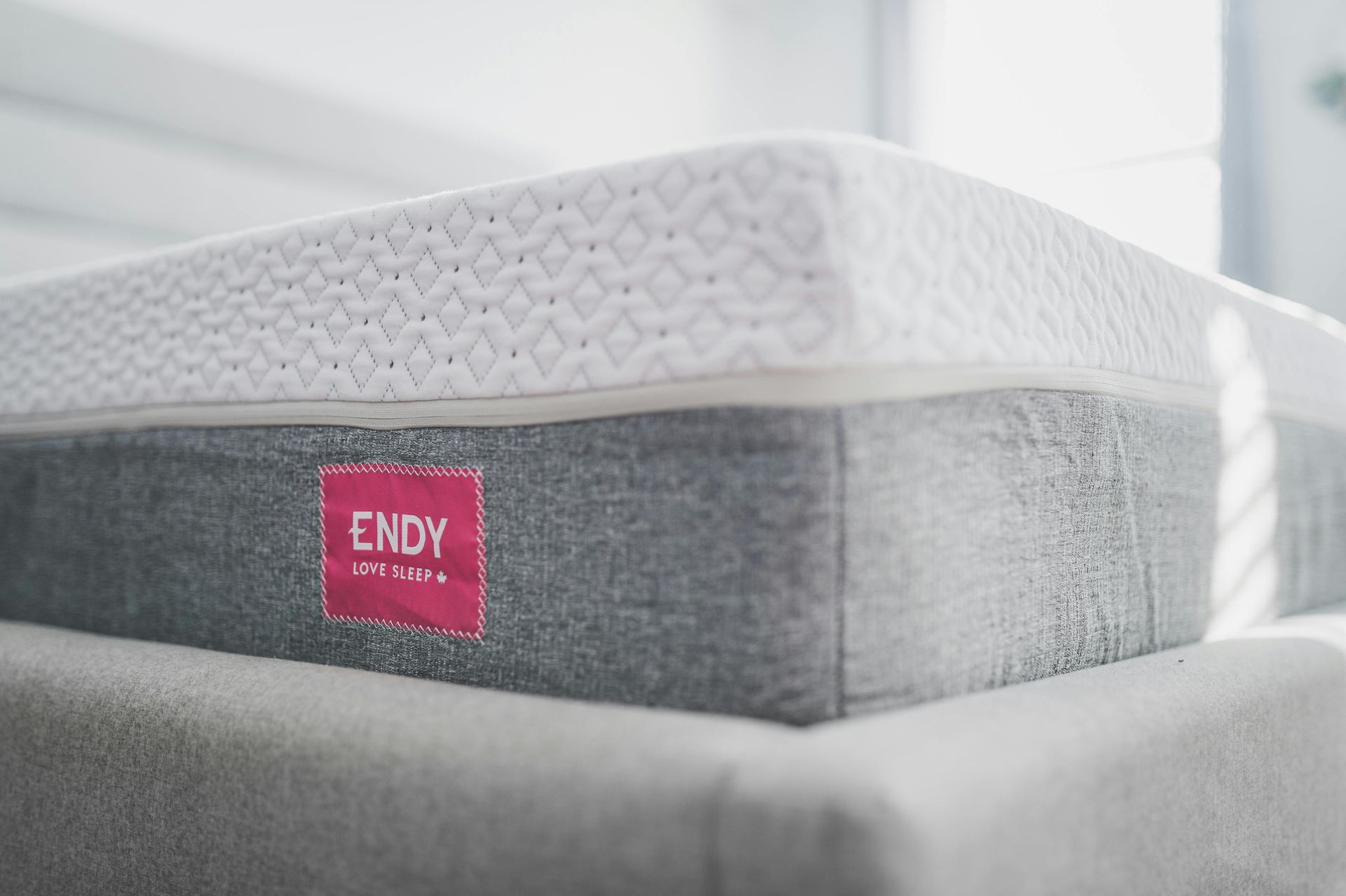
An extra mattress has a way of quietly becoming one of the most inconvenient items in your home. At first, it seems harmless enough to lean it against a wall or slide it into a spare room. However, over time, it starts to collect dust, take up valuable space, and become difficult to manage. More importantly, improper storage can slowly damage the mattress itself, turning what should be a comfortable backup into something unusable.
That is why learning how to store extra mattress items properly is about preserving comfort, cleanliness, and long-term value. For households that need more flexibility, especially across growing communities like Tuscaloosa, AL, Pensacola, FL, or Fort Wayne, IN, exploring
practical storage solutions such as can help create breathing room at home while keeping large items protected. As we move through this guide, you will notice that proper mattress storage is not complicated, but it does require attention to detail. Each step builds on the next, and when done correctly, it ensures your mattress remains just as supportive months or even years later.
Why Proper Mattress Storage Deserves More Attention
At first glance, a mattress might seem sturdy enough to handle a bit of neglect. After all, it is designed to support weight night after night. However, the materials inside tell a different story. Layers of foam, springs, and fabric can be surprisingly sensitive to environmental changes. For example, in humid regions like Panama City, FL or Baton Rouge, LA, moisture in the air can seep into fabrics and create the perfect conditions for mold. According to the U.S.
Environmental Protection Agency, mold can begin developing on soft materials when humidity levels exceed 60 percent, which makes controlled environments especially important for storage.
On the other hand, areas like Topeka, KS or Danville, IL experience noticeable seasonal shifts. Over time, repeated exposure to heat and cold can weaken adhesives and affect the structural integrity of foam layers. Because of this, understanding how to store extra mattress items correctly becomes less about convenience and more about protection. In other words, proper storage is not just helpful, it is necessary if you want to maintain the quality of your mattress.
Start With a Thorough Cleaning Process
Before you even think about where to place your mattress, it is important to focus on preparation. Cleaning may feel like a small step, but it sets the foundation for everything that follows. Without it, you risk sealing in dust, allergens, and odors that will only become more noticeable over time. To begin, vacuum the entire mattress carefully. Pay close attention to seams and edges, as these areas tend to collect debris. After that, spot clean any visible stains using a mild solution, making sure not to oversaturate the fabric.
Perhaps most importantly, allow the mattress to dry completely. Even a small amount of lingering moisture can lead to mildew, especially in humid locations like Lumberton, NC or Laurel, MS. Patience during this step makes a significant difference later. If you are looking for a deeper breakdown of cleaning techniques and
long-term storage protection strategies, our guide expands on best practices that help preserve both structure and hygiene.
Choosing the Right Storage Environment
Once your mattress is clean and dry, the next step is deciding where it will live during storage. This decision has a direct impact on how well the mattress holds up over time. Ideally, a mattress should be stored in a climate controlled environment. These spaces maintain consistent temperature and humidity levels, which helps prevent both moisture buildup and material breakdown. In coastal areas like Pensacola, FL or Panama City, FL, this is especially important because humidity can fluctuate throughout the year.
Meanwhile, in regions like Fort Wayne, IN or Zanesville, OH, where winters can be cold and summers warm, temperature swings can place stress on internal materials. A stable environment reduces that stress and helps maintain the mattress’s original feel. Additionally, for residents in outdoor-focused communities such as Roseburg, OR or Havelock, NC, where activities like hiking, fishing, and boating are part of everyday life, storage space often fills up quickly with gear. According to the
National Park Service, outdoor recreation continues to grow in popularity, which means households are managing more equipment than ever before. Having a dedicated storage solution helps balance those needs without compromising the condition of larger items like mattresses.
Protecting Your Mattress the Right Way
After selecting the right environment, the next step is protection. While it might be tempting to wrap a mattress tightly in plastic, this approach can sometimes do more harm than good. Instead, opt for a breathable mattress cover. These covers protect against dust and dirt while still allowing airflow, which helps prevent trapped moisture. If plastic is used, it should be done carefully, ensuring the mattress is completely dry and that moisture absorbers are included.
It is also a good idea to elevate the mattress slightly off the ground. Placing it on a pallet or flat surface improves air circulation and prevents contact with potentially damp floors. This is particularly useful in areas like Conway, AR or Greenbrier, AR, where seasonal humidity can vary. By taking these precautions, you create a protective barrier that keeps your mattress clean without introducing new risks.
Flat Storage vs Vertical Storage
At this point, many people start thinking about how to position their mattress. While storing it upright may seem like a convenient way to save space, it is not always the best option for long-term storage. Storing a mattress flat helps maintain its natural shape and evenly distributes weight across its surface. Over time, this reduces the risk of sagging or internal shifting. Memory foam mattresses, in particular, benefit from flat storage because they are more sensitive to pressure.
That said, if space limitations require vertical storage, there are ways to minimize potential issues. Rotating the mattress occasionally and ensuring it is supported evenly can help prevent long-term damage. Ultimately, the goal is to reduce stress on the materials, regardless of how the mattress is positioned.
Keeping the Storage Area Organized
Another often overlooked factor is organization. A cluttered storage space can lead to accidental damage, especially when items are stacked without a clear plan. Your mattress should have its own designated area, free from heavy objects that could press against it over time. Even light pressure, when applied continuously, can affect the internal structure and reduce comfort.
In fact, organizing your storage space thoughtfully can benefit more than just your mattress. Strategies like grouping similar items and leaving space for airflow can make a noticeable difference. This concept is explored further in our guide on
how to store a mattress, which highlights how proper arrangement helps preserve a wide range of household items. By keeping your mattress separate and undisturbed, you ensure it remains in the best possible condition.
Considering Local Lifestyles and Storage Needs
Storage is never one-size-fits-all, especially when you consider how lifestyles vary across different regions. In college towns like Tuscaloosa, AL or Columbus, OH, students frequently move between housing arrangements, making temporary mattress storage a common need. In contrast, cities like Baton Rouge, LA or Pensacola, FL often see residents managing seasonal changes in humidity and weather, which affects how items are stored.
Meanwhile, in places like Nederland, TX or Thomson, GA, households may balance both indoor and outdoor living, leading to a mix of furniture and recreational equipment that competes for space. Because of these differences, having access to flexible storage solutions allows residents to adapt without sacrificing the condition of important items.
How Long Can You Store a Mattress Safely?
With the right preparation and environment, a mattress can be stored for an extended period without losing quality. In many cases, mattresses remain in excellent condition for months or even years when properly cared for. However, it is still a good idea to check on the mattress occasionally. This allows you to catch any early signs of moisture or shifting. Even in controlled environments, periodic inspection provides reassurance that everything is holding up as expected. Additionally, slight repositioning over time can help prevent pressure points, especially for foam mattresses. These small adjustments contribute to long-term durability.
Common Mistakes That Lead to Damage
Even with careful planning, certain mistakes can undo your efforts. Recognizing these early helps you avoid unnecessary problems later.