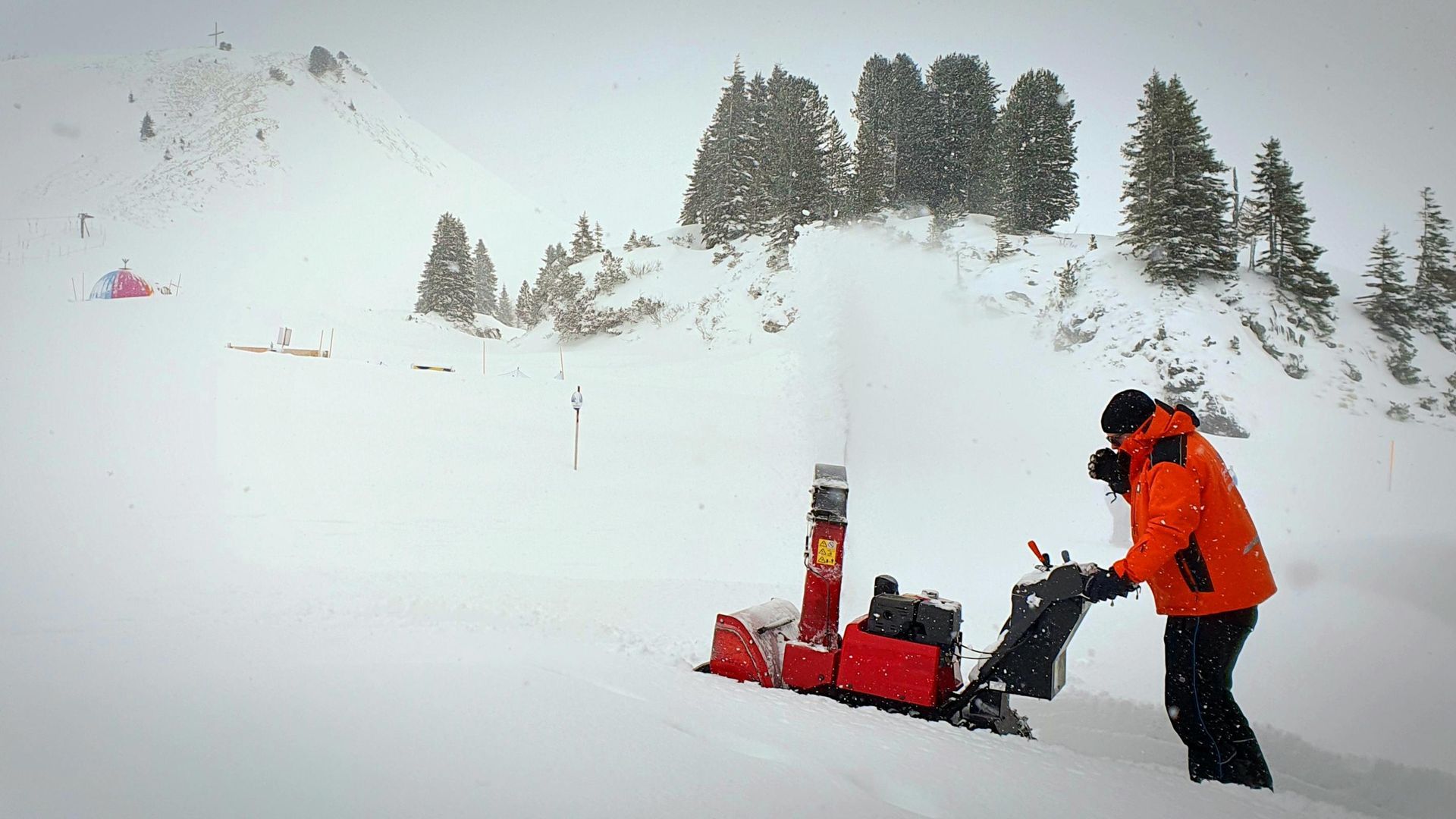
When the last patch of snow melts and longer days settle in, it is tempting to roll your snowblower into a corner and forget about it until next winter. However, that approach often leads to frustration months later when the machine refuses to start or shows signs of wear. Instead, taking a little time now can make a noticeable difference in performance and longevity.
Across cities like Fort Wayne, IN, Columbus, OH, and Topeka, KS, snowblowers are essential tools that endure heavy seasonal use. Meanwhile, in warmer regions like Panama City, FL, or Nederland, TX, they may only see occasional action but still require proper care to stay functional. No matter the climate, learning how to store a snowblower for summer ensures that when winter returns, your equipment is ready without hassle. If you are looking into
storage options in Tuscaloosa, AL, and surrounding areas, you can explore flexible solutions at The Store Advantage.
Why Summer Storage Deserves More Attention Than You Think
At first glance, storing a snowblower might seem straightforward. Yet, the combination of leftover fuel, trapped moisture, and environmental exposure can quietly damage the machine over time. What starts as a small oversight often becomes a costly repair.
For instance, fuel that sits too long begins to break down, forming sticky deposits that clog the engine. According to the
U.S. Environmental Protection Agency, untreated fuel in small engines can lead to buildup that affects performance and reliability. At the same time, humidity, especially in places like Baton Rouge, LA, or Laurel, MS, accelerates rust formation on metal parts. Additionally, summer brings a shift in how space is used. In Conway, AR, or Greenbrier, AR, garages often transform into hubs for fishing gear, bikes, and outdoor equipment. That shift makes it even more important to store winter tools properly so they are protected and out of the way.
Start With a Thorough Cleaning to Reset Your Machine
Before anything else, begin with a deep clean. This step sets the foundation for everything that follows, and skipping it can undo your other efforts. As you clean, remove all visible dirt, ice residue, and especially salt buildup. Salt is particularly harmful in regions like Danville, IL, and Zanesville, OH, where winter road treatments are common. Left untreated, it can slowly corrode metal surfaces even during months of inactivity. Once the debris is cleared, allow the machine to dry completely. Moisture trapped in small crevices can lead to rust, which often goes unnoticed until it becomes a bigger issue. Taking the extra time here ensures your snowblower enters storage in the best possible condition.
Fuel Management: A Small Step With a Big Impact
After cleaning, your attention should shift to the fuel system. This is where many people run into problems later, often without realizing the cause. There are two reliable approaches, and choosing one depends on your preference and equipment type:
- Completely drain the fuel tank and run the engine until it shuts off. This eliminates any remaining gasoline in the system.
- Alternatively, add a fuel stabilizer to a full tank and run the engine briefly so the treated fuel circulates.
While both methods work, using a stabilizer is often more convenient and helps protect internal seals. The
U.S. Department of Energy notes that stabilized fuel maintains its quality longer, reducing the risk of engine issues after storage. This step becomes even more critical in warmer climates such as Pensacola, FL, or Nederland, TX, where heat accelerates fuel degradation. Addressing it now helps avoid frustrating startup problems later.
Oil Change and Inspection: Think of It as Preventive Care
Once the fuel system is handled, it is a good time to refresh the oil. Used oil contains contaminants that can slowly damage engine components when left sitting for months. By replacing it with clean oil, you create a protective environment inside the engine. At the same time, take a closer look at key parts like the spark plug, belts, and auger blades. If anything shows signs of wear, addressing it now saves time and effort when winter arrives again.
This moment also connects naturally to broader organizational habits. If your garage or workshop tends to collect seasonal tools, you might find value in this guide on
organizing tools and workshop supplies with self-storage. Keeping everything in order not only protects your equipment but also makes seasonal transitions smoother.
Protecting Against Moisture: The Silent Threat
Even after cleaning and maintenance, your snowblower is still vulnerable to one persistent enemy: moisture. Over time, even small amounts of humidity can lead to rust, especially on exposed metal parts. To reduce this risk, apply a light coating of oil or silicone spray to key components. Then, cover the machine with a breathable fabric cover. Unlike plastic, which can trap condensation, breathable materials allow air circulation while still offering protection.
This step is particularly important in coastal and humid regions like Pensacola, FL, or Havelock, NC. However, even in drier climates like Topeka, KS, seasonal humidity shifts can still have an impact. Taking precautions ensures your machine stays in top shape regardless of location.
Choosing the Right Storage Space Makes a Difference
Now that your snowblower is properly prepared, the next decision is where to store it. While a garage or shed might seem sufficient, not all spaces offer the same level of protection. For example, in Fort Wayne, IN, or Columbus, OH, garages often become multi-purpose areas during summer, filled with lawn equipment, sports gear, and recreational items. In scenic areas like Roseburg, OR, or Monteagle, TN, outdoor adventures take center stage, and storage space quickly fills with hiking and camping gear.
If your home space feels crowded or lacks climate control, a dedicated storage unit can help maintain better conditions for your equipment. It also allows you to keep your snowblower safely tucked away without sacrificing everyday usability at home. For those managing larger transitions or reorganizing spaces, this guide on
moving checklist and storage solutions offers helpful insights into making storage more efficient overall.
Smart Placement and Organization for Easy Access Later
Once you have chosen your storage location, how you position your snowblower also matters. Place it on a stable, flat surface where it will not tip or shift. Avoid stacking heavy items nearby, as accidental pressure can damage sensitive components. It is also helpful to store related accessories together. Keeping items like spare parts, stabilizers, and manuals in a labeled container ensures everything is easy to find when winter returns. In cities like Zanesville, OH, or Danville, IL, where the weather can change quickly, having quick access to your equipment can make all the difference. Thoughtful placement now saves time later.
How Geography Influences Storage Needs
Because The Store Advantage serves a wide range of regions, it is worth considering how local conditions affect storage strategies.