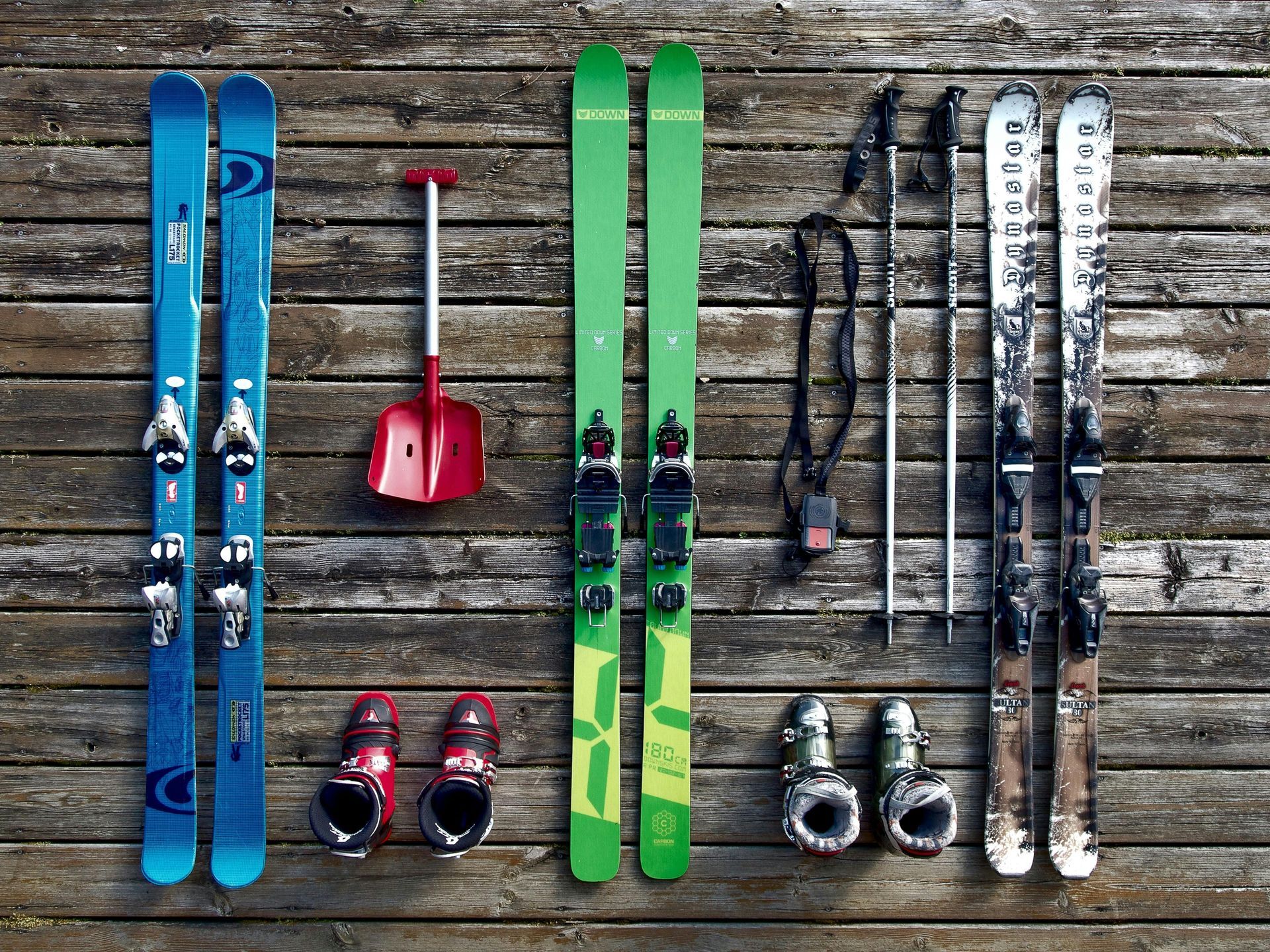
As winter fades and ski trips become distant memories, it can be tempting to toss your gear into the nearest closet and forget about it until next season. However, ski clothing is not designed to sit neglected for months at a time. These garments are built with specialized materials that require thoughtful care, especially when transitioning into long-term storage. If you are exploring
reliable storage options in your area, combining proper storage techniques with the right environment can help preserve your gear in excellent condition.
At the same time, where you live plays a larger role than many people realize. For instance, humidity levels in places like Pensacola, FL, or Panama City, FL, can introduce moisture concerns, while fluctuating temperatures in Columbus, OH, or Topeka, KS can stress fabrics over time. Because of this, learning how to store ski clothes is not just about organization. It is about protecting performance, comfort, and longevity so your gear is always ready for the next adventure.
Why Ski Clothes Require Special Storage Care
To begin with, ski clothing is fundamentally different from everyday apparel. Jackets, pants, and base layers are engineered with insulation, waterproof membranes, and breathable fabrics that work together to regulate temperature and keep you dry. As a result, improper storage can compromise these features, often in ways that are not immediately noticeable.
For example, lingering moisture can lead to mildew growth, while compressed insulation can lose its ability to trap heat. Over time, even small issues can add up, leaving your once reliable gear less effective when you need it most. According to the
American Cleaning Institute, proper cleaning and storage practices significantly extend the life of garments, especially those made with technical fabrics. Therefore, taking a proactive approach now can save both time and money later. Instead of replacing damaged items, you can maintain what you already own with just a bit of preparation and attention to detail.
Start with a Deep Clean Before Storage
Before anything else, cleaning your ski clothes is an essential first step. Even if your gear appears clean, it likely contains sweat, body oils, and fine debris that can break down fabrics over time. Consequently, skipping this step can lead to unpleasant odors and reduced performance when you pull everything out months later.
When washing your gear, it is best to use detergents specifically designed for technical fabrics. These formulas help preserve waterproof coatings and insulation without leaving behind residues. Additionally, fabric softeners should be avoided, as they can interfere with breathability and water resistance. Once washed, take care to dry each item thoroughly. This step is particularly important in more humid regions such as Laurel, MS, or Havelock, NC, where moisture can linger longer than expected. If you are unsure about best practices for seasonal items, this guide on
long-term storage tips for seasonal clothing and decorations offers additional insights that can be applied to ski gear as well.
Make Sure Every Item Is Completely Dry
After cleaning, ensuring that your ski clothes are completely dry is just as important as the washing process itself. In fact, even a small amount of trapped moisture can create the perfect environment for mold and mildew to develop. Over time, this not only causes odors but can also weaken fabric fibers and damage insulation.
To avoid this, allow your gear to air dry in a well-ventilated area. Pay close attention to thicker sections, such as insulated linings, seams, and pockets, where moisture tends to hide. In areas like Tuscaloosa, AL, or Nederland, TX, where humidity levels can remain high, it may take longer than expected for items to dry fully. The
Environmental Protection Agency emphasizes that controlling moisture is one of the most effective ways to prevent mold growth in stored materials. With that in mind, taking a little extra time during this stage can prevent much bigger issues down the road.
Choose a Storage Space That Works with Your Climate
Once your gear is clean and dry, the next step is selecting the right storage environment. While it may be convenient to store items in an attic, garage, or basement, these areas often experience temperature swings and inconsistent humidity levels. As a result, they can do more harm than good over time.
Instead, a climate-controlled storage space provides a more stable environment. This is particularly beneficial in places like Fort Wayne, IN, or Zanesville, OH, where seasonal temperature changes can be significant. By maintaining consistent conditions, you reduce the risk of condensation, fabric stress, and insulation damage. Additionally, if you are managing limited space at home, especially during projects or transitions, storage units can help keep your living areas organized. For a closer look at how storage can support lifestyle changes, our article on the
benefits of using storage units during home renovations provides helpful context.
Select Breathable Storage Solutions
Equally important is how you physically store your ski clothing. While it might seem practical to seal everything in plastic containers or vacuum bags, this approach can actually trap residual moisture and compress insulation. Over time, this can reduce the effectiveness of your gear.
Instead, opt for breathable garment bags or fabric storage bins that allow for air circulation. Jackets can be hung to help maintain their shape, while pants and base layers can be neatly folded. This approach not only protects your gear but also makes it easier to locate items when you need them. For those living in areas like Roseburg, OR, or Monteagle, TN, where outdoor recreation is a year-round activity, having an accessible and organized storage system can make spontaneous trips much easier to manage.
Protect Against Pests and Lingering Odors
Another factor to consider is the potential for pests and unwanted odors. Warmer regions such as Baton Rouge, LA, or Valley, AL, can sometimes create conditions where insects are more active, particularly in storage spaces that are not regularly accessed.
To address this, natural deterrents like cedar blocks or lavender sachets can be placed alongside your clothing. These options help repel pests without introducing harsh chemicals that could damage delicate fabrics. At the same time, they add a subtle, pleasant scent that keeps your gear fresh. It is also wise to check on your stored items periodically. Even a quick inspection every few months can help you catch any issues early and ensure everything remains in good condition.
Don’t Overlook Accessories and Smaller Items
While jackets and pants often get the most attention, accessories play an equally important role in your overall ski experience. Gloves, hats, goggles, and base layers all require proper storage to maintain their functionality.
For instance, gloves should be dried thoroughly and stored in a way that preserves their shape. Goggles should always be kept in protective cases to prevent scratches, especially on anti-fog lenses. Base layers, which are often made from moisture-wicking materials, should be folded neatly and stored in a clean, dry space. Keeping these smaller items organized can make a big difference when preparing for your next trip. Whether you are traveling from Danville, IL, or Conway, AR, having everything ready to go eliminates unnecessary stress.
Consider How Your Lifestyle Influences Storage Needs
Interestingly, even if you do not live near ski resorts, your location can still influence how you store your gear. Many communities served by The Store Advantage, such as Greenbrier, AR, or Thomson, GA, are surrounded by outdoor recreation opportunities that encourage travel and seasonal activities.
According to
TreEscape, Americans participate in outdoor activities throughout the year, often traveling to different regions to do so. This means your ski gear may not stay unused for as long as you think. Because of this, it can be helpful to store your items in a way that balances protection with accessibility. If you frequently take winter trips, consider keeping your gear in a location that is easy to access rather than fully packing it away.
Common Mistakes That Can Damage Ski Clothes
Even with careful planning, a few common mistakes can undermine your efforts. Recognizing these pitfalls can help you avoid unnecessary damage and extend the life of your gear.