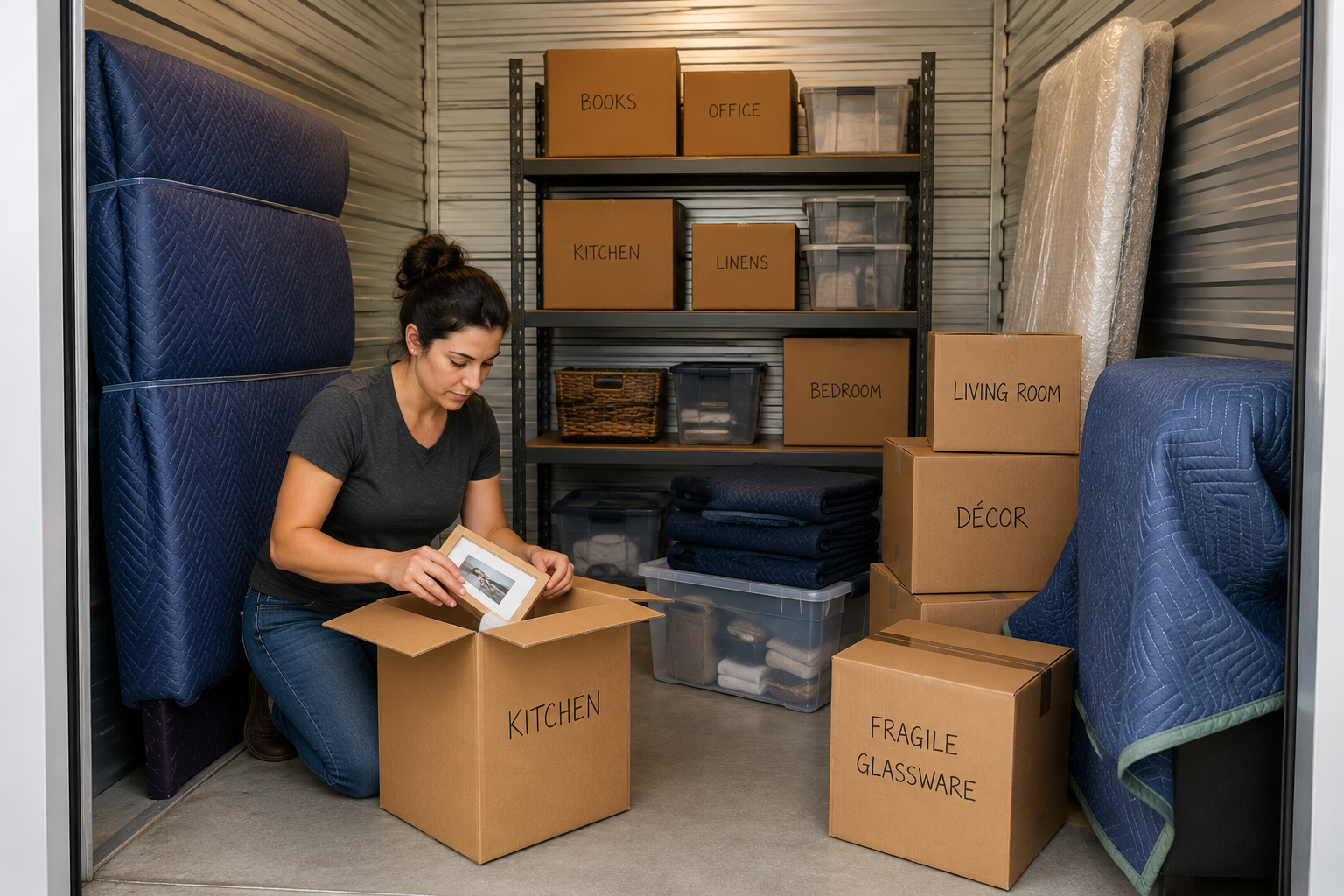
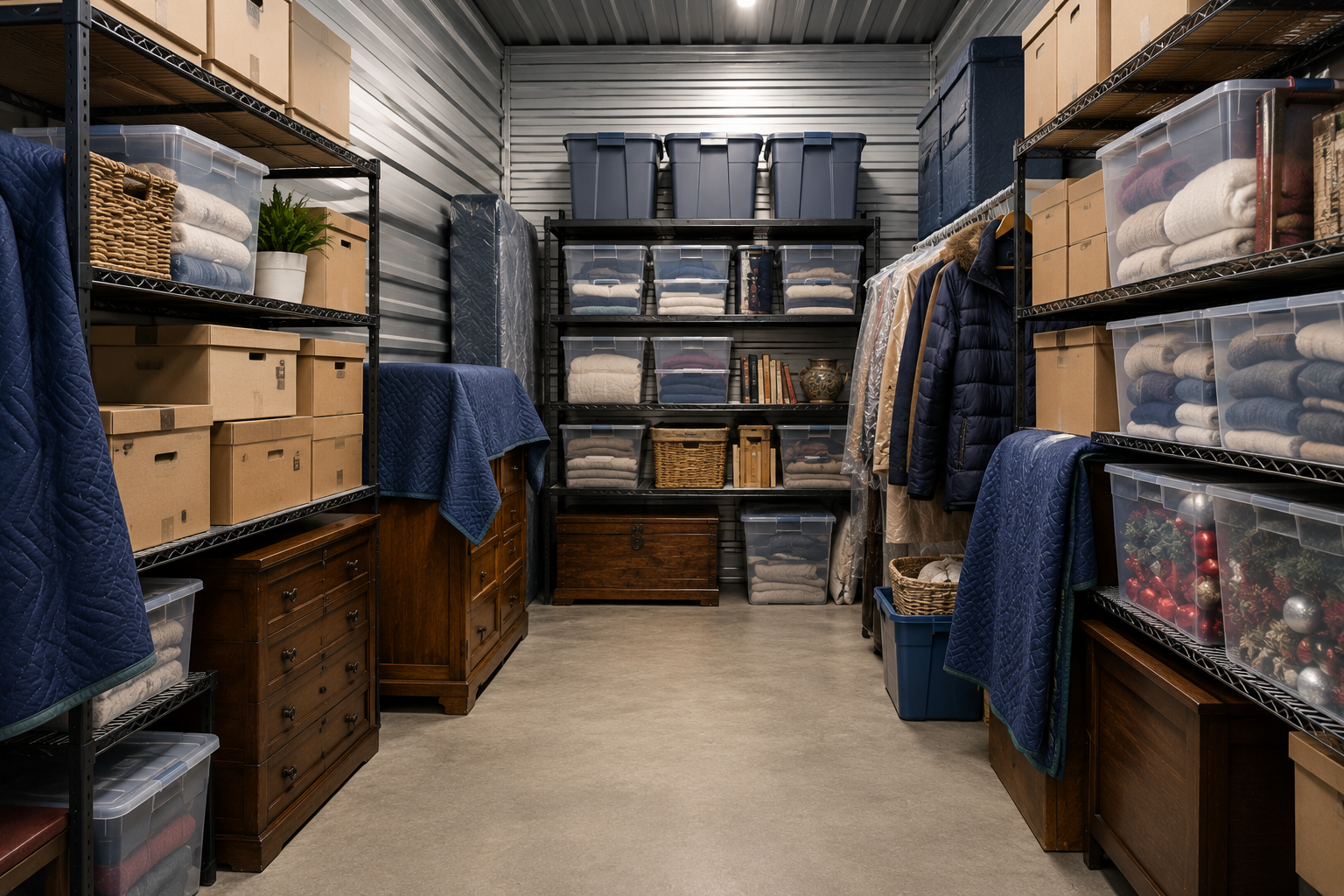
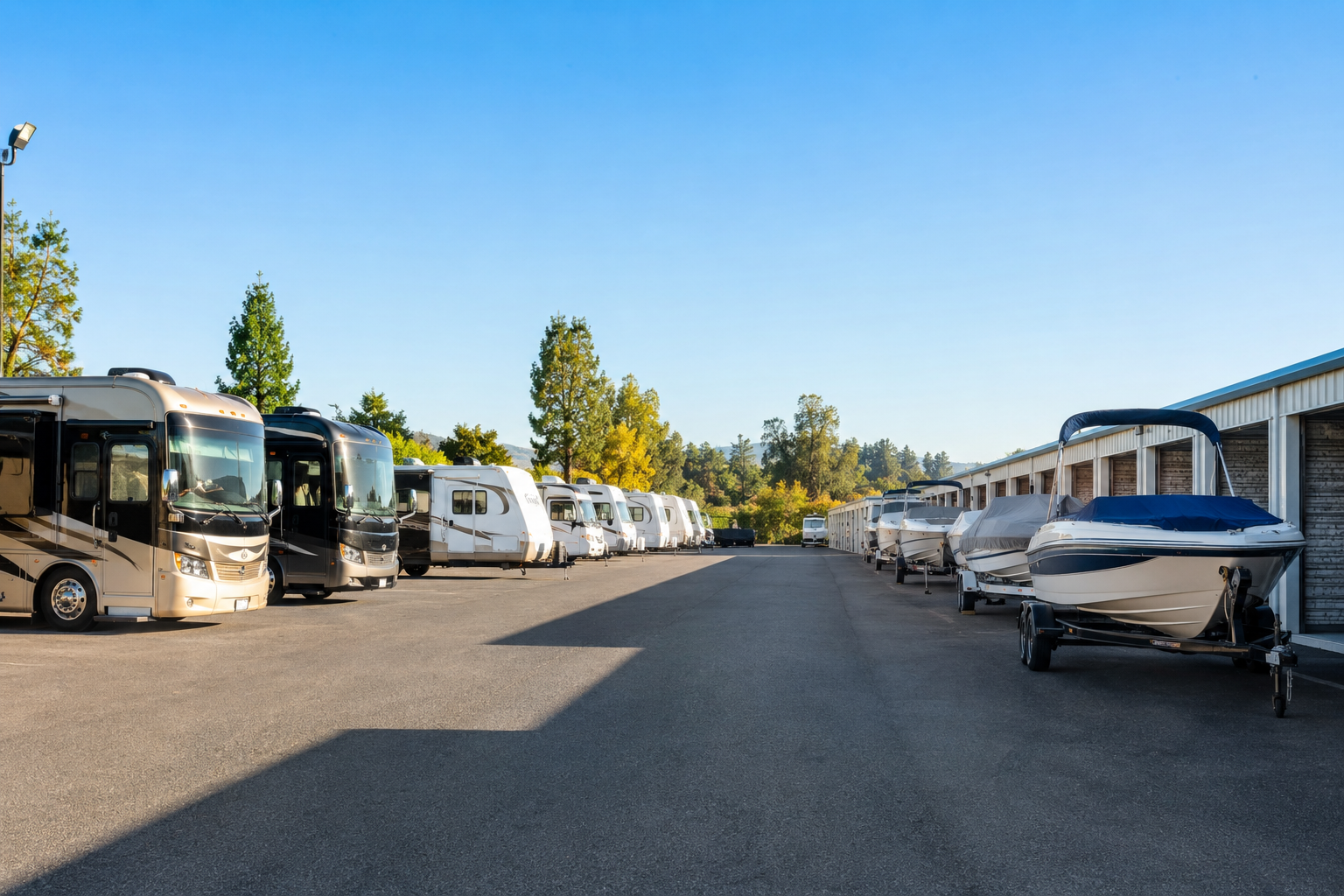

How Long Can You Keep Items in Self Storage Without Issues?

Frank Bruechner • November 3, 2026

Whether you're moving, downsizing, growing your family, running a business, or storing seasonal equipment, self storage offers a practical way to keep your belongings safe until you need them again. But one question many people ask is: How long can items stay in storage without causing problems?


The answer depends less on time and more on how you store your items. With proper preparation, the right storage units, and suitable environmental conditions, many belongings can stay in storage for years in excellent condition.


This guide explains what affects long-term storage, which items require extra care, and how choosing the right storage solutions from The Storage Advantage helps protect your possessions over time.


Is There a Time Limit for Keeping Items in Self Storage?


In most cases, there is no practical time limit on how long you can keep belongings in storage units as long as:


  • Items are packed correctly.
  • The storage environment matches what you're storing.
  • You periodically inspect or rotate certain belongings.
  • Your rental agreement remains active.


Many customers use self storage for a few weeks during a move, while others use business storage, RV storage, or boat storage for many years.


Instead of asking "How long can something stay in storage?", it's better to ask:

"Will my items still be in good condition when I retrieve them?"

That depends on preparation.


What Determines How Long Items Last in Storage?


Several factors influence how well belongings hold up over time.

Factor Why It Matters
Climate Heat, humidity, and temperature swings can damage sensitive items.
Packaging Quality boxes and protective materials prevent deterioration.
Cleanliness Dirt, moisture, and food residue attract pests and mold.
Storage Type Climate controlled storage protects delicate belongings better than standard units.
Organization Proper stacking prevents crushing and accidental damage.

According to the National Institute of Standards and Technology (NIST), temperature and humidity fluctuations accelerate the deterioration of many common household materials, including paper, wood, textiles, and photographs. Climate stability is one of the most effective preservation methods for long-term storage.

According to the National Institute of Standards and Technology (NIST), temperature and humidity fluctuations accelerate the deterioration of many common household materials, including paper, wood, textiles, and photographs. Climate stability is one of the most effective preservation methods for long-term storage.

Furniture


Properly cleaned and covered furniture can remain in storage for many years.

Tips include:


  • Clean upholstery before storing.
  • Wax wood furniture.
  • Avoid placing items directly on concrete floors.
  • Use breathable furniture covers instead of plastic.


Leather furniture especially benefits from climate controlled storage, which reduces cracking caused by temperature changes.


Clothing and Fabrics


Clothing stores well when:

  • Washed before storage
  • Completely dry
  • Packed in breathable containers
  • Protected from moisture


Vacuum bags work well for some synthetic fabrics but may not be ideal for delicate natural fibers during extended storage.

Research from the Canadian Conservation Institute notes that textiles deteriorate more slowly when stored in stable, cool, dry environments with proper airflow, reducing mold growth and fiber degradation.


Electronics

Electronics can remain in secure storage for years if stored properly.

Best practices include:


  • Remove batteries.
  • Store in original packaging when available.
  • Wrap with anti-static protection.
  • Keep away from moisture.


Extreme heat and humidity are two of the biggest risks for electronic components, making climate controlled storage a smart option.


Documents and Photos

Important paperwork, family records, photographs, and collectibles are among the most sensitive items.

Protect them by:


  • Using archival-quality boxes.
  • Keeping items elevated.
  • Avoiding direct sunlight.
  • Choosing climate controlled units.

The Library of Congress Preservation Directorate recommends stable temperature and humidity for preserving photographs and paper documents because environmental fluctuations accelerate fading, brittleness, and discoloration.


Mattresses


A mattress can remain in storage for years if:


  • Thoroughly cleaned first
  • Completely dry
  • Stored flat whenever possible
  • Covered with a breathable protector


Avoid trapping moisture inside plastic wrapping for long periods.


Choosing the Right Storage Solution

Different belongings benefit from different types of storage facilities.


Climate Controlled Storage


Ideal for:


  • Electronics
  • Wooden furniture
  • Leather
  • Musical instruments
  • Artwork
  • Important documents
  • Family heirlooms
  • Collectibles

Climate controlled storage maintains more consistent indoor conditions, helping reduce damage caused by heat and humidity.


Drive Up Storage


Drive up storage is excellent for:

  • Moving projects
  • Home renovations
  • Tools
  • Outdoor equipment
  • Frequently accessed belongings


It allows convenient loading and unloading while keeping items protected inside enclosed units.


Business Storage


Businesses often keep inventory, marketing materials, office furniture, records, or seasonal equipment in business storage.

Long-term business storage works best when:


  • Inventory is organized on shelving.
  • Boxes are clearly labeled.
  • Older inventory rotates out periodically.


This keeps operations efficient while freeing valuable workspace.


Boat Storage and RV Storage


Recreational vehicles benefit from dedicated storage between adventures.


Before placing your boat or RV into storage:

  • Clean thoroughly.
  • Remove perishables.
  • Disconnect batteries if recommended.
  • Complete manufacturer winterization procedures when appropriate.
  • Cover exposed areas if needed.


Proper boat storage and RV storage help protect these valuable investments during extended periods of non-use.


Mistakes That Shorten the Life of Stored Items

Many storage issues come from preparation, not storage time.


Avoid these common mistakes:

  • Packing damp belongings.
  • Using weak cardboard boxes.
  • Overloading boxes.
  • Wrapping furniture in airtight plastic.
  • Leaving batteries inside electronics.
  • Storing food.
  • Blocking airflow.
  • Forgetting to label containers.
  • Stacking heavy boxes on fragile items.


Small preparation steps often make the biggest difference years later.


How Often Should You Check Your Storage Unit?


If you're using residential storage or business storage long-term, occasional visits are worthwhile.

Consider checking your unit:


  • Every few months for household goods.
  • Before seasonal changes for recreational equipment.
  • During inventory changes for business storage.
  • Before travel if using RV or boat storage.


Regular inspections allow you to spot issues early and reorganize as your storage needs evolve.


Signs Your Items Need Climate Controlled Storage


You may benefit from upgrading to climate controlled storage if you're storing:


  • Family photo albums
  • Vinyl records
  • Electronics
  • Wooden antiques
  • Leather furniture
  • Fine clothing
  • Artwork
  • Collectibles
  • Business records


Although standard storage units work well for many belongings, temperature-sensitive items often retain their condition longer in climate controlled environments.


Long-Term Storage Preparation Checklist

Before closing your storage unit, make sure you've completed these essentials:


  • Clean every item thoroughly.
  • Allow everything to dry completely.
  • Label every box.
  • Use sturdy packing materials.
  • Elevate items when possible.
  • Leave small walkways for access.
  • Protect fragile belongings.
  • Choose the right storage type.
  • Create an inventory list.
  • Store valuable documents in climate controlled storage.


A little preparation today can help prevent unnecessary damage years from now.


The Bottom Line


There is no universal expiration date for belongings placed in self storage. With proper packing, organization, and the right type of storage solutions, many household goods, business inventory, vehicles, and personal keepsakes can remain in excellent condition for years.


Choosing appropriate storage facilities, whether you need drive up storage, business storage, boat storage, RV storage, or climate controlled storage, plays a significant role in protecting what matters most. Investing a little extra time before placing items into storage often saves money, stress, and replacement costs later.


Store with Confidence at The Storage Advantage


Whether you're planning for a few months or several years, The Storage Advantage offers a wide range of secure storage options designed to meet changing needs. From climate controlled storage and convenient drive up storage to business storage, boat storage, and RV storage, you'll find flexible storage solutions that help keep your belongings protected for the long haul.


Visit https://thestorageadvantage.com/ to explore available storage options and find the right unit for your next move, life transition, or long-term storage needs.


By Frank Bruechner • November 2, 2026
A cluttered home can make everyday life feel more stressful than it needs to be. Whether you're preparing for a move, making room for a growing family, downsizing, or simply trying to organize your living space, decluttering creates a more functional and comfortable home. The challenge is deciding what to keep, what to donate, and what you simply don't have room for right now. That's where The Storage Advantage can help. Instead of parting with items you still need or value, self storage provides a practical way to free up living space while keeping belongings secure and accessible when needed. This room-by-room guide will help you organize your home more efficiently while showing how self storage, climate controlled storage, and other storage solutions can simplify the process.
By Frank Bruechner • October 16, 2026
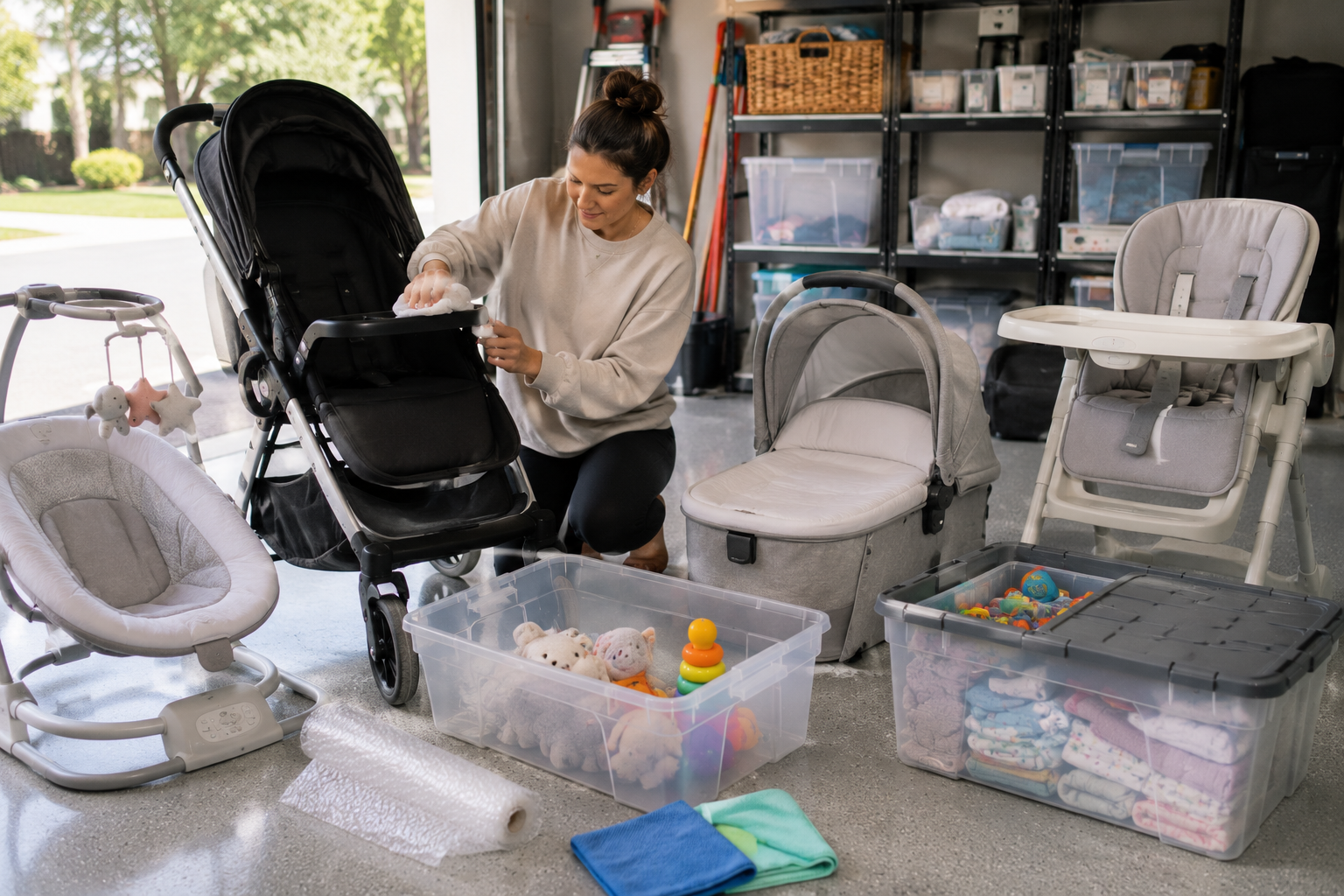
Babies grow quickly, and before you know it, the bassinet, stroller, high chair, and tiny clothes are no longer needed. While it may be tempting to donate or sell everything, many families keep baby gear for a future child or pass it along to relatives. The challenge is finding a way to preserve these items without letting them take over your home. Self-storage is one of the easiest ways to keep bulky baby gear protected while freeing up valuable living space. Whether you're storing items for a year or several years, proper preparation helps ensure they're clean, safe, and ready when you need them again. Why Proper Storage Matters Baby gear is an investment. Strollers, cribs, swings, carriers, and feeding equipment often cost hundreds or even thousands of dollars to replace. Storing them correctly can extend their lifespan and reduce unnecessary waste. Research published in the Journal of Environmental Psychology has also found that cluttered living environments can increase stress and reduce people's ability to focus. Moving infrequently used items into organized storage units can create a more functional and relaxing home while keeping important belongings accessible for the future. Start by Sorting Everything  Before packing anything away, divide your baby items into categories.