


How Storage Facilities Can Help During Major Life Transitions

Atomic Storage • January 29, 2026

Life doesn’t always change on a neat schedule. A new job might require a rapid relocation. A growing family can suddenly make your home feel smaller. A divorce can require quick decisions about space and belongings. Even positive moments, such as moving in together or heading to college, can create a temporary “where do we put everything?” problem.

That’s where self-storage becomes more than “extra space.” The right storage facility can act like a buffer during transitions: a place to keep what you’re not ready to sort, sell, or move yet without turning your living room into a maze of boxes.

Self-storage also fits how people live today. One major industry analysis estimated that about 10.2% of U.S. households were using self-storage (as of 2024), up from 2019. Even though fewer Americans move each year, moving remains common. U.S. Census Bureau data shows 11.8% of people changed residence in 2024. 

Below, we’ll break down the most common life transitions and the most practical storage solutions, including climate controlled storage, drive-up storage, vehicle storage, boat storage, and RV storage, without getting overly technical.

Why Major Life Transitions Create “Storage Pressure”

Big transitions tend to create the same three challenges:

Timing Gaps

Leases end before closings. Renovations run long.. Family plans change quickly. Storage spaces help you bridge the gap.

Decision Fatigue

During stressful seasons, it’s hard to decide what to keep, donate, or sell. A storage unit buys you time to make better decisions later.

Space Mismatch

Your home might be the right space for your life eventually, just not right now. Residential storage can keep your home livable while your life shifts.

The “Breathing Room” Effect: Why Storage Can Reduce Stress

When your home is overloaded, your brain notices. Clutter can increase stress and make it harder to focus, especially during already emotional moments (like divorce or estate changes). While a storage unit won’t solve everything, reducing visual and physical clutter can make daily life feel more manageable.

A good rule of thumb such that if a pile of “temporary stuff” starts to look permanent, it’s time to consider a storage solution that keeps your living space functional.

Life Transitions Where Storage Facilities Help Most

1. Moving And Relocation (Including Short-Term Moves)

Moving is a leading trigger for renting storage units, especially when timing doesn’t align.

Seasonally, moves tend to cluster in warmer months. One moving-industry analysis notes that summer is the busiest season, with a large share of annual moves occurring between late spring and summer. That means people often need a staging area: pack gradually, move in phases, and avoid rushing everything into the next place.

Smart storage solutions for moving:

  • Drive-up storage for fast loading/unloading (great for furniture and boxes)
  • Indoor storage for more protection from weather and dust
  • Climate-controlled storage for sensitive items (electronics, wood furniture, photos)

Tip

If you’re packing in stages, store “non-daily” items first: seasonal décor, extra kitchen gear, books, spare linens.

2. Downsizing (Or Simplifying Your Home)

Downsizing isn’t only about moving to a smaller home. Sometimes it’s about reducing what you keep accessible day-to-day while still holding onto meaningful items.

Storage spaces work well for:

  • Family heirlooms you’re not ready to part with
  • Furniture you might use later (guest room, future move, next home)
  • Hobby gear you don’t use every week

If downsizing is a long-term plan, you may prefer a unit that’s easy to access and maintain so it doesn’t become a “forgotten box.”

3. Divorce or Separation

Divorce can create fast logistical decisions: Who keeps what? Where does it go? What needs to be moved immediately?

A storage unit can help by giving each person space to:

  • Separate belongings respectfully and clearly
  • Store items until housing becomes stable
  • Avoid conflict that comes from crowded shared space

Helpful storage options during divorce:

  • Secure storage for important documents and valuables
  • Enclosed storage for furniture you can’t place yet
  • Short-term storage if you expect changes in the next few months

4. A Bigger Family (New Baby, Blended Family, Moving In Together)

More people often means more “stuff,” and not all of it fits neatly.

Storage facilities can help you:

  • Clear a nursery room by moving office furniture into storage
  • Keep duplicate household items while you merge homes
  • Store baby gear between kids (cribs, strollers, changing tables)

This is also where home organization and storage go hand in hand: you keep the home livable as you settle into a new routine.

5. College And Young Adult Transitions

College creates a predictable storage need: summer breaks, study abroad, dorm changes, internships, and first apartments.

A self-storage trade publication cited research indicating that more than 55% of college students have rented self-storage (or have done so). Whether the exact number varies by region, the pattern is clear: students frequently need a short-term place to store belongings during breaks.

Best fits for college storage:

  • Smaller storage units for dorm items (mini fridge, desk chair, boxes)
  • Units that are simple to access for quick move-in/move-out

Tip

Pack by “first-week essentials” vs. “later.” Keep bedding, clothing, and toiletries within easy reach.

6. Home Renovation Or Repairs

Renovations create dust, pose a risk of damage, and cause constant disruption. Storage spaces keep furniture and valuables protected while you work.

A unit can hold:

  • Living room furniture while the floors are replaced
  • Kitchen items during cabinet and countertop work
  • Seasonal items, while you repurpose a room

If you’re remodeling during a cold or humid season, climate-controlled storage can provide peace of mind for sensitive materials.

7. Estate Transitions And “In-Between” Seasons

Even when a transition is planned, the “in-between” is where storage helps most:

  • Settling an estate
  • Handling a family move across multiple stages
  • Temporary living arrangements

A storage unit can serve as a “pause button,” allowing you to manage the process with greater clarity.

A person uses a tape dispenser to seal a cardboard box inside a storage unit with bright green doors.

Climate Controlled Storage: When It’s Worth It

Not everything requires climate control, but some items benefit from stable temperature and humidity.

Many storage providers describe climate-controlled units as maintaining moderate temperatures (commonly cited ranges are 55–80°F, depending on the facility). These conditions can help reduce risk to items that are not well-suited to heat, cold, or humidity swings.

Consider climate-controlled storage for:

  • Photos, paper documents, books
  • Wood furniture, musical instruments
  • Electronics and media
  • Leather goods, delicate fabrics
  • Collectibles and sentimental items

If you’re unsure, a simple test helps. Would you store it comfortably in a garage or shed for a season? If not, climate control is usually the safer choice.

Business Storage: Transitions Don’t Only Happen At Home

Life transitions happen in business too, including new leases, downsizing offices, expanding inventory, hiring, or switching to remote work.

Business storage can help when you need:

  • A place for excess inventory or seasonal supplies
  • Storage for marketing materials, signage, trade show gear
  • A secure place for business records (as appropriate)

The goal is the same: keep your workspace functional while the business changes.

Parking Storage: RV Storage, Boat Storage, And Vehicle Storage

Major transitions often affect what you can keep at home, especially when driveway or HOA rules apply.

That’s where parking storage options help:

  • RV storage when travel season ends, or you’re not using it regularly
  • Boat storage during off-season or when you’re between homes
  • Vehicle storage if you’re relocating, deploying, or reducing household vehicles

If you’re storing large vehicles, prioritize:

  • Easy access for parking and pickup
  • A layout designed for larger turns and spacing
  • A secure storage environment that supports long-term parking needs

A Quick Guide: Matching Life Transitions To Storage Solutions

Moving or Relocation

Most Useful Storage Spaces: Drive-up storage, indoor storage, climate-controlled storage
Why It Helps: Move in phases and protect items during timing gaps between homes.

Downsizing

Most Useful Storage Spaces: Indoor storage, climate-controlled storage
Why It Helps: Keep what matters without overcrowding your home.

Divorce or Separation

Most Useful Storage Spaces: Secure storage, enclosed storage
Why It Helps: Creates breathing room and a clearer separation of belongings.

Growing Family

Most Useful Storage Spaces: Storage units in varied sizes, climate-controlled storage
Why It Helps: Clears rooms quickly for a nursery, shared space, or blended household needs.

College Transitions

Most Useful Storage Spaces: Smaller storage units
Why It Helps: Solves summer break and housing change gaps without hauling items home.

Home Renovation

Most Useful Storage Spaces: Drive-up storage, indoor storage
Why It Helps: Keeps furniture protected and out of the work zone.

Business Changes

Most Useful Storage Spaces: Business storage
Why It Helps: Stores inventory, equipment, and records during growth or downsizing.

Seasonal Recreation

Most Useful Storage Spaces: RV storage, boat storage, vehicle storage
Why It Helps: Keeps large items stored responsibly when not in use.

Packing And Storage Tips That Make Transitions Easier

These tips apply to almost every life transition:

  • Label by room + priority (e.g., “Kitchen Later,” “Bedroom First Week”)
  • Use uniform boxes when possible (stacks better, safer to move)
  • Create a “last in / first out” zone near the front of the unit
  • Protect with simple barriers (covers for furniture, bins for fabrics)
  • Make a quick inventory on your phone (even 10 photos help)


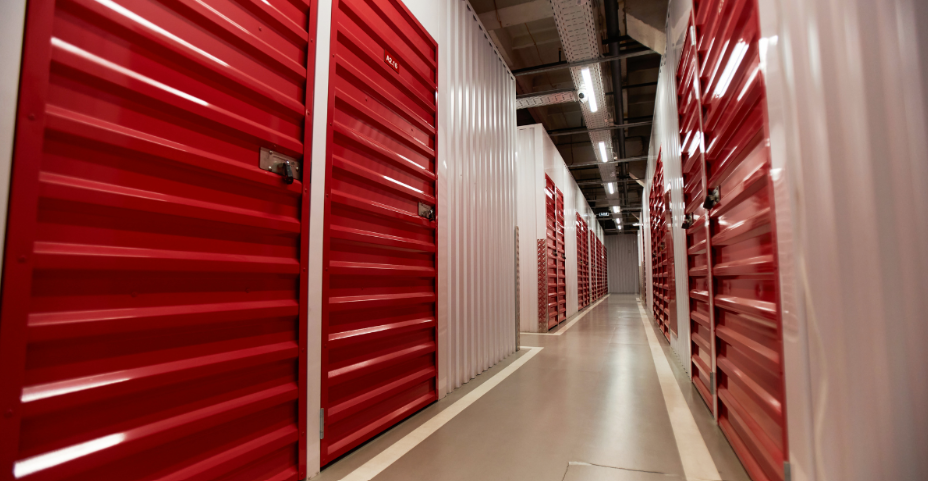
A man and woman smile while pushing a cart filled with cardboard boxes down a bright hallway lined with red storage units.

What To Look For In Storage Facilities (Without Overthinking It)

When choosing a storage facility, focus on fit and practicality:

  • Unit type: drive-up vs. indoor vs. climate-controlled storage
  • Size: enough space to walk a small aisle (access saves frustration)
  • Use case: residential storage vs. business storage vs. boat/RV storage
  • Security mindset: look for a facility designed around secure storage practices (gates, lighting, policies)

You’re not just renting space, you’re buying back orders during a messy season.

A Simple Next Step When Life Changes Fast

Major transitions can feel chaotic, but your space doesn’t have to. The Storage Advantage offers practical storage solutions from storage units and climate-controlled storage to drive-up, business, boat, and RV storage, so you can keep your home (and schedule) more manageable as life shifts.

If you’re in a transition right now, start small: choose a unit that gives you breathing room today, then adjust as your next chapter becomes clearer. Visit The Storage Advantage to explore options and find the storage space that fits your situation.


By Frank Bruechner September 2, 2026
Downsizing can be an exciting opportunity to simplify your lifestyle, reduce household expenses, and create a more manageable living space. Whether you're moving into your first smaller home, helping a family member transition, or simply reducing clutter, one challenge often remains the same: deciding what to do with belongings that no longer fit your new space. That's where self storage becomes an invaluable solution. Instead of rushing difficult decisions or overcrowding your new home, renting a storage unit gives you the flexibility to move at your own pace while keeping your possessions secure and accessible. At The Storage Advantage , we offer a variety of storage solutions, including climate controlled storage, drive up storage, residential storage, business storage, and vehicle storage options designed to make life's transitions easier. Why Downsizing Can Feel Overwhelming Moving to a smaller home often means reducing the amount of furniture, seasonal decorations, keepsakes, recreational equipment, and household items you own. For many people, this process can be emotionally and physically demanding. Research published by the American Psychological Association (APA) has consistently identified moving as one of life's significant stressors, particularly when multiple changes occur simultaneously. Having a structured moving plan helps reduce stress and improves decision-making throughout the transition. Instead of making permanent decisions under pressure, using a storage unit lets you separate the moving process from decluttering. Benefits of Using Self Storage While Downsizing Self storage offers flexibility at every stage of your move. Downsizing Challenge: How Self Storage Helps Smaller closets : Store seasonal clothing and decorations Limited garage space : Keep tools, outdoor equipment, and recreational gear Extra furniture: Hold furniture until you decide whether to sell or keep it Family heirlooms: Preserve meaningful belongings without overcrowding your home Temporary housing: Store possessions until your permanent move is complete Rather than forcing everything into your new home, storage spaces allow you to create a comfortable living environment from day one. Start Decluttering Before You Pack One of the biggest mistakes people make is packing everything first and sorting later. Instead, walk through each room and divide belongings into four categories: Keep Donate Sell Store Items that you use every day should move directly into your new home. Items you only use occasionally are often excellent candidates for residential storage. This simple process reduces moving costs while making unpacking much easier. Store Seasonal Items Instead of Crowding Your Home Many homes simply don't have enough room for every holiday decoration, winter coat, patio cushion, or camping accessory. Seasonal belongings often take up valuable storage space in the home despite being used for only a few weeks each year. A self storage unit provides convenient space for: Holiday decorations Seasonal clothing Lawn equipment Sporting goods Patio furniture Gardening supplies Camping gear Keeping these items in storage creates a cleaner, more organized living space throughout the year. Choose the Right Storage Unit Not every storage need is the same. The right storage unit depends on what you're storing. Climate Controlled Storage Climate controlled storage helps protect temperature-sensitive belongings such as: Wood furniture Electronics Photographs Artwork Documents Musical instruments Research from the National Park Service Museum Handbook notes that stable temperature and humidity conditions help reduce deterioration of paper records, wood, textiles, photographs, and other valuable household items. Drive Up Storage If you're storing heavier items such as furniture, appliances, or multiple moving boxes, drive up storage offers added convenience by allowing you to load and unload close to your unit. This can significantly reduce lifting time during moving day.

By Alicia Aguirre April 13, 2026
Discover how to store gas-powered equipment the right way. Learn fuel tips, cleaning methods, and storage strategies to protect your tools year-round.