


How to Store Artwork and Photography Without Damage

Atomic Storage • February 27, 2026

Storing artwork and photography safely is more than just wrapping them in bubble wrap and tossing them into a storage unit. These items are not only financially valuable, but they also often carry deep sentimental and creative significance. Whether you're a professional artist, collector, or hobbyist, improper storage can lead to irreversible damage like warping, fading, mold, and cracking.


This guide outlines best practices for storing your artwork and photography in secure, climate-controlled environments to keep your piecespreserved for years to come.


Why Proper Artwork Storage Matters


Fine art and photographic prints are highly sensitive to environmental conditions. According to the Library of Congress, artwork made from organic materials like paper, canvas, and wood is especially vulnerable to damage caused by:

  • Humidity and temperature fluctuations
  • UV light exposure
  • Dust, dirt, and pollutants
  • Pests and mold


Self-storage can be a great solution, but only if you store them properly.


Self Storage vs. Climate Controlled Storage for Art

Let’s start by comparing your storage options:

Storage Type Description Best For Artwork?
Drive-Up Storage Easily accessible from your vehicle; outdoor exposure possible Not ideal (temp swings)
Indoor Storage Inside a facility, limited exposure to outdoor air Better than outdoor
Climate Controlled Storage Regulated temperature and humidity levels year-round Best for delicate items

Verdict


If you’re storing paintings, framed photos, film negatives, or canvas, choose climate-controlled storage to protect against damage caused by heat, cold, and humidity.


1. Prepping Your Artwork for Storage

Before your pieces even reach a storage unit, take time to properly prepare them. This can prevent 90% of potential damage.


Clean First, Always

  • Dust gently with a soft, dry cloth.
  • Never use cleaning products on original works.
  • For photos, wear gloves to prevent fingerprints and oils.


Protect with the Right Materials

Use acid-free materials only. This prevents yellowing and degradation over time.

  • Glassine paper for prints and photographs
  • Acid-free tissue paper for canvas and delicate surfaces
  • Foam board backing to maintain rigidity
  • Corner protectors for frames


Avoid Plastic Wrap

Plastic traps moisture, which can lead to mold or mildew growth. Use breathable materials instead.


2. Packing and Transporting Tips

Even the best self-storage unit can't help if the art gets damaged during the move. Here’s how to transport your pieces safely:


Use Sturdy, Appropriately Sized Boxes

  • Specialized flat picture boxes work well for photos and prints.
  • Never overfill a box; it should be snug but not tight.


Pad Generously

  • Use foam, bubble wrap, or packing paper between items.
  • If stacking, use stiff dividers and lay pieces vertically, like books.


Label Everything

Mark boxes with “Fragile Art” and “Store Upright” to remind yourself or movers to handle them carefully.


3. Choosing the Right Storage Unit


When selecting a storage facility, consider these criteria:


Climate Controlled Units


This is the most important feature. According to the American Institute for Conservation, ideal conditions for artwork are:

  • Temperature: 65–72°F
  • Relative Humidity: 45–55%


Secure Storage


Choose a facility with:

  • Gated access
  • Surveillance cameras
  • On-site staff
  • Solid, enclosed storage units


Pest-Free Environment

Ask about pest control measures. Rodents and insects can destroy stored art.


Indoor Access

Units with indoor hallways further buffer your art from outdoor temperature swings and sunlight.


Pro Tip

Visit your storage unit every few months to inspect your items and ensure the environment remains suitable.

A person in a denim shirt carries a stack of cardboard boxes in a storage facility with another person blurred behind them.

4. Long-Term vs. Short-Term Art Storage

Are you storing your collection for a few weeks or a few years? Your strategy may vary:


Short-Term (< 6 months)

  • Still use climate control, especially in warm or humid seasons.
  • You may be able to use stackable plastic bins (with ventilation) temporarily.
  • Lay items flat or upright, whichever keeps them supported and immobile.


Long-Term (6+ months)

  • Avoid stacking anything on top of framed works or canvas.
  • Elevate your pieces off the floor using shelving or pallets (to protect against unexpected water damage).
  • Add a desiccant or dehumidifier pack to help control moisture inside containers.


5. Special Considerations for Photography


Photographs, especially printed film and negatives, require extra care.

  • Store photos and negatives in separate sleeves.
  • Use photo-safe albums, sleeves, or archival boxes.
  • Keep them out of light entirely, even indirect.
  • Film negatives should be stored in cold environments if possible, ideally 50°F or lower.


Digital Tip

Always back up your digital files. Store backups on a cloud service or an external hard drive in a separate location.


6. Avoid These Common Mistakes


Mistakes during storage often lead to preventable damage. Avoid the following:

  • Using newsprint or acidic paper
  • Rolling artwork for long-term storage (this can warp the piece)
  • Leaning canvases or frames against walls without support
  • Skipping climate control to save money
  • Storing directly on the floor of the unit


Even small oversights, such as placing your art near a heating vent, can cause warping, bubbling, or cracking.


7. Seasonal Art Storage Tips

Different times of year present unique storage challenges:


Summer

  • Heat and humidity are your biggest threats.
  • Ensure your climate-controlled storage maintains consistent temps.


Winter

  • Extreme cold can make canvas brittle and cause wood to contract.
  • Avoid unheated storage at all costs.


Spring/Fall

  • Good times to check in on your unit.
  • Perform a condition check: look for moisture, pests, or shifting items.


8. When to Use Self Storage for Art


Storing art and photography is useful during:

  • Moving or renovations (avoid exposure to dust and paint)
  • Downsizing (keep your art safe while finding space)
  • College dorm transitions (store framed prints and photo albums)
  • Travel or temporary relocation (especially for working artists)
  • Estate management (secure family heirlooms while organizing)


Whether you're a business storing photography archives, a growing family reorganizing space, or an artist between shows, self-storage is a flexible, secure solution.

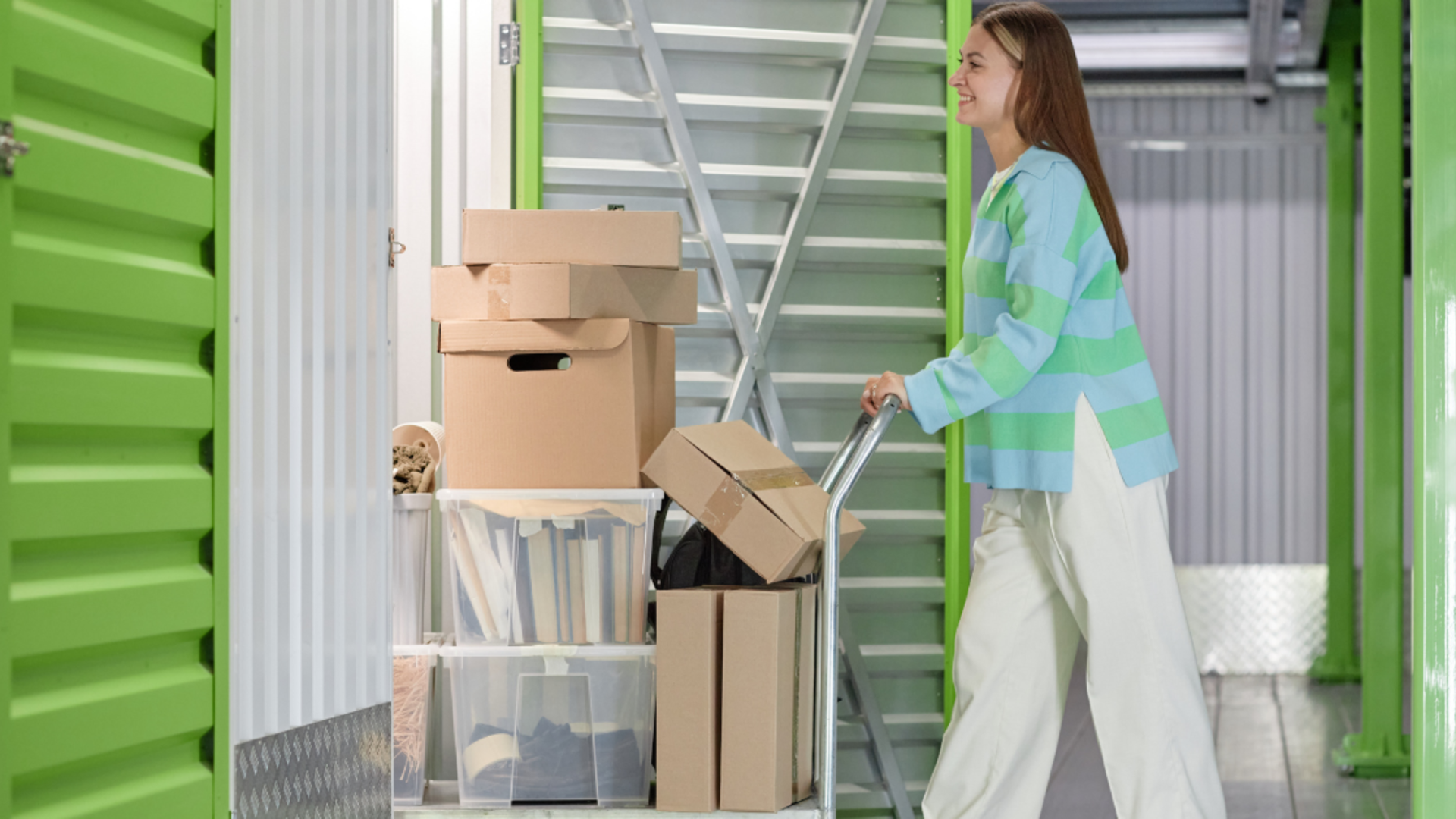
A person wearing a striped sweater pushes a cart loaded with cardboard boxes and storage bins into a storage facility.

Your Art Deserves Better Storage


Storing artwork and photography correctly takes a bit of effort, but it's worth it to preserve your collection for future enjoyment, sale, or exhibition. Climate-controlled storage, thoughtful packing, and secure facilities are your best defense against the natural forces that cause damage.


Protect Your Collection with The Storage Advantage

At The Storage Advantage, we offer climate-controlled, drive-up, secure, and enclosed units to keep your artwork and photography in top condition year-round. Whether you’re moving, downsizing, or just making space in your home or studio, our storage solutions are designed to keep what matters to you safe.


Explore your nearest storage unit today and give your art the care it deserves.

By Frank Bruechner September 2, 2026
Downsizing can be an exciting opportunity to simplify your lifestyle, reduce household expenses, and create a more manageable living space. Whether you're moving into your first smaller home, helping a family member transition, or simply reducing clutter, one challenge often remains the same: deciding what to do with belongings that no longer fit your new space. That's where self storage becomes an invaluable solution. Instead of rushing difficult decisions or overcrowding your new home, renting a storage unit gives you the flexibility to move at your own pace while keeping your possessions secure and accessible. At The Storage Advantage , we offer a variety of storage solutions, including climate controlled storage, drive up storage, residential storage, business storage, and vehicle storage options designed to make life's transitions easier. Why Downsizing Can Feel Overwhelming Moving to a smaller home often means reducing the amount of furniture, seasonal decorations, keepsakes, recreational equipment, and household items you own. For many people, this process can be emotionally and physically demanding. Research published by the American Psychological Association (APA) has consistently identified moving as one of life's significant stressors, particularly when multiple changes occur simultaneously. Having a structured moving plan helps reduce stress and improves decision-making throughout the transition. Instead of making permanent decisions under pressure, using a storage unit lets you separate the moving process from decluttering. Benefits of Using Self Storage While Downsizing Self storage offers flexibility at every stage of your move. Downsizing Challenge: How Self Storage Helps Smaller closets : Store seasonal clothing and decorations Limited garage space : Keep tools, outdoor equipment, and recreational gear Extra furniture: Hold furniture until you decide whether to sell or keep it Family heirlooms: Preserve meaningful belongings without overcrowding your home Temporary housing: Store possessions until your permanent move is complete Rather than forcing everything into your new home, storage spaces allow you to create a comfortable living environment from day one. Start Decluttering Before You Pack One of the biggest mistakes people make is packing everything first and sorting later. Instead, walk through each room and divide belongings into four categories: Keep Donate Sell Store Items that you use every day should move directly into your new home. Items you only use occasionally are often excellent candidates for residential storage. This simple process reduces moving costs while making unpacking much easier. Store Seasonal Items Instead of Crowding Your Home Many homes simply don't have enough room for every holiday decoration, winter coat, patio cushion, or camping accessory. Seasonal belongings often take up valuable storage space in the home despite being used for only a few weeks each year. A self storage unit provides convenient space for: Holiday decorations Seasonal clothing Lawn equipment Sporting goods Patio furniture Gardening supplies Camping gear Keeping these items in storage creates a cleaner, more organized living space throughout the year. Choose the Right Storage Unit Not every storage need is the same. The right storage unit depends on what you're storing. Climate Controlled Storage Climate controlled storage helps protect temperature-sensitive belongings such as: Wood furniture Electronics Photographs Artwork Documents Musical instruments Research from the National Park Service Museum Handbook notes that stable temperature and humidity conditions help reduce deterioration of paper records, wood, textiles, photographs, and other valuable household items. Drive Up Storage If you're storing heavier items such as furniture, appliances, or multiple moving boxes, drive up storage offers added convenience by allowing you to load and unload close to your unit. This can significantly reduce lifting time during moving day.

By Alicia Aguirre April 13, 2026
Discover how to store gas-powered equipment the right way. Learn fuel tips, cleaning methods, and storage strategies to protect your tools year-round.