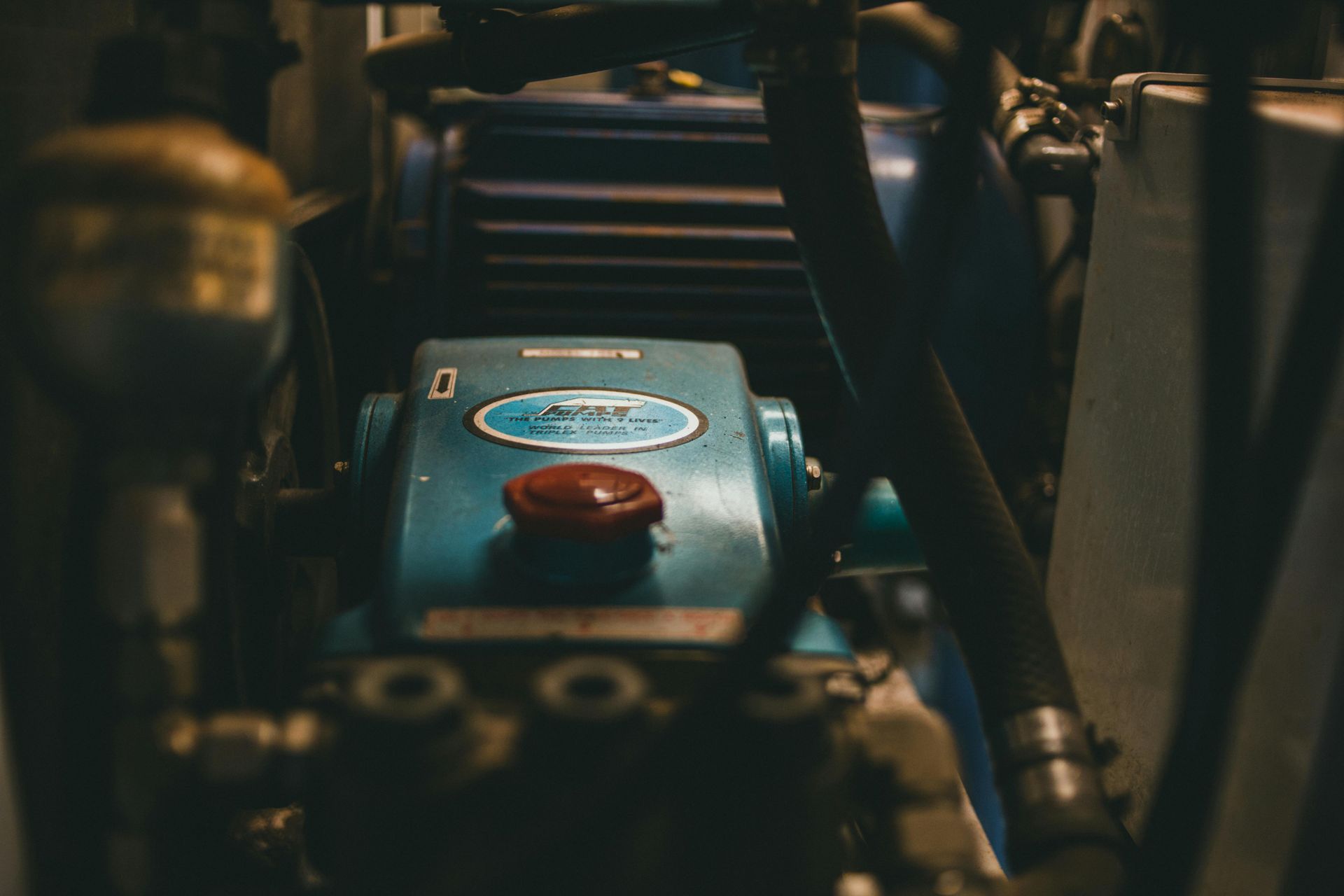
A generator is one of those tools you do not think much about until you really need it. Whether it is for storm season, outdoor trips, or backup power at home, it quietly sits in the background waiting for its moment. However, what many people overlook is that improper storage can leave you with a generator that fails when you need it most.
That is why understanding how to store generator equipment properly is not just helpful; it is essential. Especially in places like Tuscaloosa, AL or Panama City, FL, where unpredictable weather and outdoor lifestyles go hand in hand, taking a little extra care with storage can make a big difference. For those looking to keep their equipment protected and organized, exploring storage options in your area can provide a reliable solution that supports long-term performance.
Why Generator Storage Deserves More Attention
At first glance, storing a generator might seem as simple as placing it in a garage or shed. However, once you consider the internal components, including fuel systems, electrical wiring, and moving engine parts, it becomes clear that these machines require more thoughtful care.
For instance, generators are particularly sensitive to environmental factors. Humidity can cause corrosion, temperature fluctuations can affect fuel stability, and dust buildup can clog essential components. In regions like Baton Rouge, LA, or Laurel, MS, where heat and moisture are constant, these risks are even more pronounced. According to guidance from the
U.S. Department of Energy, proper maintenance and storage significantly reduce mechanical issues and extend the lifespan of backup equipment. In other words, storing your generator correctly is not just about keeping it out of the way. It is about preserving its reliability so it performs exactly when you need it.
Start with a Thorough Cleaning Before Storage
Before putting your generator away, it is important to start with a clean slate. Over time, dirt, grease, and debris accumulate on the exterior and around critical components. If left unchecked, these materials can trap moisture and accelerate wear.
Think about the last time you used your generator. Perhaps it powered a tailgate near Fort Wayne, IN, or supported a camping trip near Roseburg, OR. In both cases, it was likely exposed to dust, grass, or even rain. Taking the time to wipe down the unit, clear out vents, and ensure everything is dry helps prevent long term damage. Additionally, cleaning your generator allows you to inspect it. Small issues, like loose screws or minor leaks, are much easier to address before storage than after months of inactivity.
Fuel Management: The Most Overlooked Step
Once your generator is clean, the next step involves managing the fuel system. This is where many people run into trouble. Gasoline does not remain stable forever. In fact, it begins to degrade in as little as a few weeks, leading to clogs and engine issues. At this point, you have two main options, and the right choice depends on how long you plan to store the generator.
If you are storing it for an extended period, draining the fuel tank and carburetor is often the safest approach. On the other hand, if you expect to use it occasionally, adding a fuel stabilizer can help preserve the gasoline and prevent buildup. The
Federal Emergency Management Agency highlights the importance of proper fuel handling, noting that neglected fuel systems are one of the leading causes of generator failure. With that in mind, taking a few extra minutes to address fuel can save hours of frustration later.
Protecting Against Moisture and Temperature Changes
After addressing fuel, the next priority is protecting your generator from environmental conditions. This is where geography plays a significant role. For example, coastal cities like Pensacola, FL experience high humidity and salt exposure, both of which can lead to corrosion. Meanwhile, places like Topeka, KS, or Danville, IL deal with colder winters that can impact engine components.
To reduce these risks, it helps to focus on a few key practices:
- Store the generator in a dry, enclosed space where it is shielded from direct exposure
- Use a breathable cover that protects against dust without trapping moisture
- Keep the generator elevated slightly to avoid contact with damp surfaces
These steps may seem small, but together they create a stable environment that supports long-term storage. In many cases, a climate-controlled storage unit offers the most consistent protection, especially for those who live in areas with extreme seasonal changes.
Do Not Forget About the Battery
If your generator includes an electric start feature, then the battery requires attention as well. Unfortunately, this is another area that often gets overlooked. When left unused, batteries gradually lose their charge and can degrade over time.
To avoid this, disconnect the battery before storage or use a trickle charger to maintain its charge. Additionally, checking the battery periodically ensures it remains in good condition. This way, when the time comes to use your generator, it starts without hesitation.
Choosing a Storage Space That Works for You
At this point, you may have prepared your generator perfectly, but where you store it still matters. Many homeowners in places like Conway, AR or Greenbrier, AR find that garages quickly become crowded with tools, seasonal items, and outdoor equipment. As a result, generators often end up squeezed into corners where airflow is limited, and protection is minimal.
Instead, a dedicated storage space allows for better organization and safer conditions. It also reduces the risk of accidental damage from other items. If you are already storing equipment like lawn mowers or outdoor gear, the same principles apply. In fact, this guide on how to store a lawn mower for the winter offers useful insights that can easily be adapted for generator storage.
Common Mistakes That Can Shorten Your Generator’s Lifespan
Even with the right intentions, it is easy to make small mistakes that have long-term consequences. For example, storing a generator with untreated fuel, placing it in a damp area, or neglecting routine maintenance checks can all lead to performance issues. Another common issue is underestimating the importance of space. When generators are stored in cramped or cluttered environments, airflow becomes restricted, which can contribute to moisture buildup and overheating.
If you are new to renting storage space, understanding what to avoid can make the process smoother. This article on storage unit mistakes to avoid when renting for the first time highlights practical considerations that can help protect your belongings.
How Lifestyle and Location Influence Storage Needs
While storage basics remain consistent, your lifestyle and location often shape how you use and store your generator. For instance, in Tuscaloosa, AL, weekends might involve spending time along the Black Warrior River or attending local events. Meanwhile, in Monteagle, TN, outdoor enthusiasts often rely on generators during camping trips near scenic trails. Similarly, residents of Columbus, OH or Zanesville, OH may use generators during seasonal storms or for home backup power. In contrast, those in Nederland, TX or Havelock, NC might focus more on hurricane preparedness.
For inspiration on local activities, you can explore outdoor recreation opportunities through resources like the National Park Service, which highlights parks and activities across many of these regions . Keeping your generator properly stored ensures it is always ready for both planned outings and unexpected situations.
Short Term vs Long Term Storage: Knowing the Difference
To ensure your generator remains reliable, the level of preparation required depends on how long you plan to store it. Short-term storage (a few weeks) requires less preparation than long-term storage (extended periods), which demands a more detailed approach.