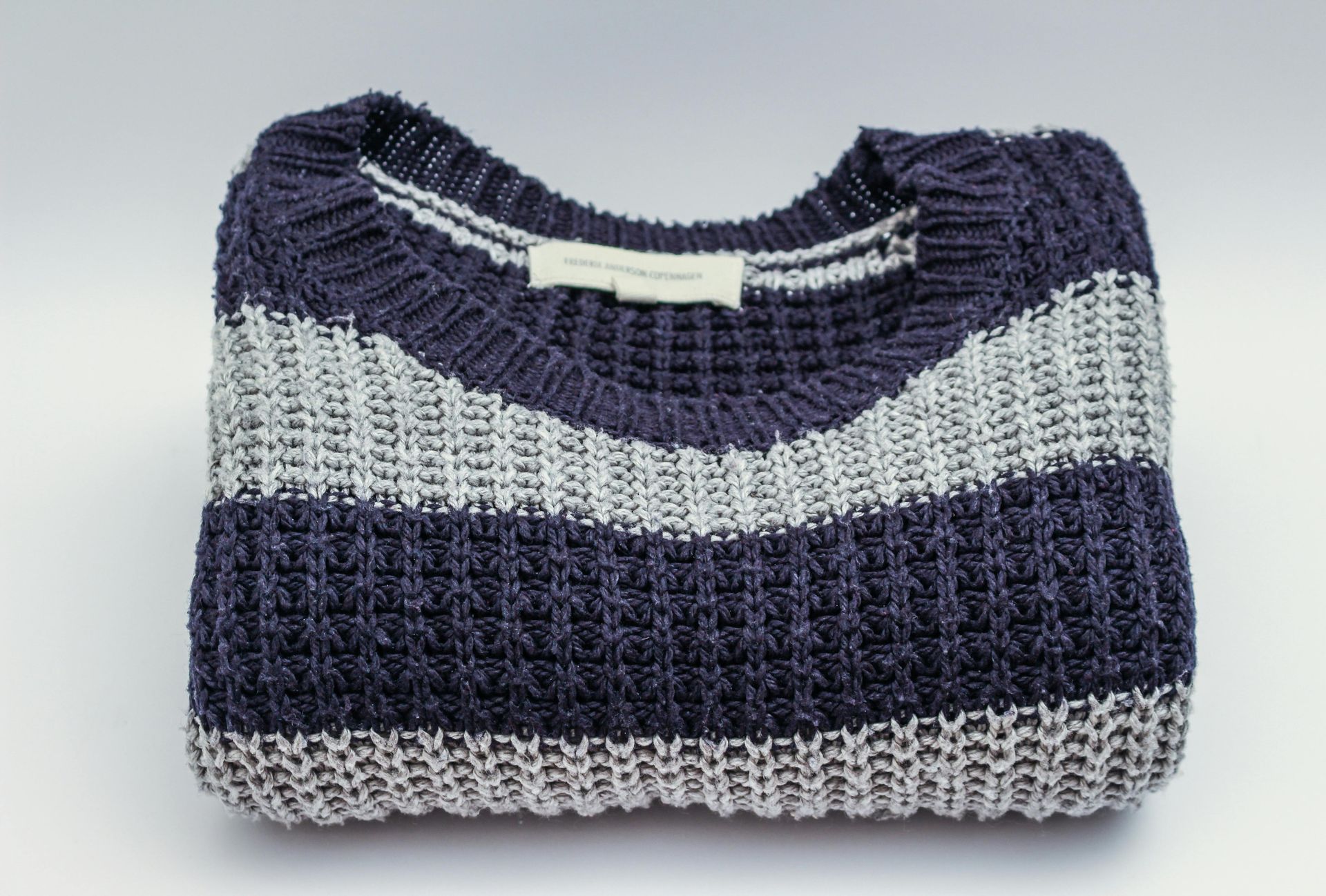
As the seasons shift and warmer days settle in, your wardrobe naturally changes with them. Sweaters that once felt essential suddenly become bulky, unused items, taking up valuable space. Still, simply pushing them to the back of a closet is rarely enough. If you are looking for
reliable storage options in Tuscaloosa, AL, and beyond, options like these can help create a more controlled environment for your seasonal clothing.
At first glance, storing sweaters may seem straightforward. However, when you consider factors like humidity, heat, and long periods of inactivity, it becomes clear that proper storage requires a bit more intention. Across places like Panama City, FL, where beach outings dominate summer weekends, or Fort Wayne, IN, where festivals and outdoor markets take over, sweaters spend months tucked away. That extended storage time is exactly when damage tends to happen, especially if the conditions are not ideal.
Why Summer Storage Deserves More Attention
To begin with,
sweaters are made from materials that behave very differently from lighter fabrics. Wool, cashmere, and blends are particularly sensitive to environmental changes. Because of this, storing them incorrectly during summer can lead to stretching, fading, or even mildew.
For example, in Baton Rouge, LA, or Pensacola, FL, the high humidity can seep into storage spaces and create the perfect conditions for mold growth. Meanwhile, in drier locations like Topeka, KS, or Roseburg, OR, dust and pests can quietly cause damage over time. According to
Megan Ilene, maintaining clean and properly stored garments is one of the most effective ways to extend their lifespan. Taking the time to store sweaters properly ensures they remain comfortable, intact, and ready for cooler weather.
Start with a Clean Foundation
Before anything else, cleaning your sweaters is essential. Even if a sweater appears clean, small amounts of sweat, oils, or fragrances can linger in the fibers. Over time, these residues attract insects and can lead to discoloration. This step becomes even more important in warmer regions like Laurel, MS, or Valley, AL, where heat can accelerate the breakdown of fabrics. Washing or dry cleaning your sweaters removes these hidden risks and sets the stage for safe storage.
At the same time, this seasonal transition offers a chance to organize other areas of your home. If you are clearing out space, you might also benefit from reviewing this guide about
how to store a washing machine, especially when rearranging laundry or utility areas.
Fold, Don’t Hang
Once your sweaters are clean, the next step is deciding how to store them physically. While hanging might seem convenient, it often leads to stretched shoulders and misshapen garments. Instead, folding is the better option. Not only does it preserve the structure of the sweater, but it also makes stacking more efficient. Lay the sweater flat, fold the sleeves inward, and then fold the body into sections that fit neatly into your storage container. This approach works well whether you are organizing a few sweaters at home in Danville, IL, or preparing multiple bins for storage in Columbus, OH. Over time, consistent folding helps maintain the original shape and texture of your clothing.
Choose Storage Containers That Breathe
After folding, your choice of storage container becomes crucial. While plastic bins are common, they can trap moisture if they are not properly ventilated. This is particularly problematic in humid areas like Lumberton, NC, or Havelock, NC. Instead, breathable materials such as cotton storage bags or fabric bins allow air circulation while still protecting against dust. If you do use plastic containers, adding moisture absorbers can help maintain a balanced environment.
Consider these practical options:
- Fabric bins that promote airflow while keeping items covered
- Acid-free boxes designed for delicate textiles
- Plastic containers paired with silica packets for humidity control
By choosing the right container, you create a protective barrier that still allows your sweaters to remain fresh throughout the summer months.
Protect Against Pests Naturally
Another important consideration is protecting your sweaters from insects. Moths, in particular, are known for damaging natural fibers, and they often go unnoticed until it is too late. Fortunately, natural deterrents like cedar blocks or lavender sachets can help keep pests away without introducing harsh chemicals. In areas such as Thomson, GA, or Zanesville, OH, where seasonal changes can bring insects indoors, these small additions make a significant difference. Not only do these solutions protect your clothing, but they also leave behind a subtle, pleasant scent that makes unpacking your sweaters more enjoyable later on.
Control Temperature and Humidity
Beyond containers and cleaning, the storage environment itself plays a major role. Ideally, sweaters should be stored in a cool, dry, and dark space. Direct sunlight can fade colors, while heat and humidity can weaken fibers. This is especially relevant in places like Nederland, TX, or Panama City, FL, where summer temperatures can rise quickly. Inconsistent conditions can lead to long-term damage that may not be noticeable until months later. For a deeper understanding of how environmental conditions affect textiles, explain how temperature and humidity influence fabric durability. These insights reinforce the importance of choosing a stable storage location.
Create Space by Thinking Beyond Your Closet
As summer activities pick up, having extra space at home becomes increasingly valuable. In Conway, AR, or Greenbrier, AR, where lake days and outdoor adventures are common, freeing up closet space can make everyday routines feel more manageable. Instead of overcrowding your home storage areas, consider relocating seasonal items. This allows your current wardrobe to stay accessible while your sweaters remain protected elsewhere.
Additionally, if you are organizing multiple categories of belongings, such as craft supplies or hobby materials, it can be helpful to explore strategies from our guide on
choosing the right storage for hobby and craft supplies. The principles of proper storage apply across different types of items, making organization more efficient overall.
How Lifestyle Influences Storage Needs
Interestingly, the way people store sweaters often reflects their local lifestyle. In Pensacola, FL, for instance, summer revolves around beaches and water activities, making lightweight clothing essential. Similarly, in Fort Wayne, IN, outdoor festivals and community events encourage a shift toward seasonal wardrobes.
Meanwhile, Monteagle, TN, offers scenic hiking trails that draw people outdoors, while Roseburg, OR, is known for its vineyards and nature experiences. These regional activities naturally reduce the need for sweaters during summer, which is why proper storage becomes even more important. By aligning your storage habits with your lifestyle, you create a system that feels both practical and intentional.
Mistakes That Can Undo Your Efforts
Even with the best intentions, a few common missteps can lead to disappointing results. Here are the most common storage mistakes to avoid: