RV Storage: Preparing Your Vehicle for Off-Season Storage

Atomic Storage • February 18, 2026

Whether you're a weekend road warrior or a full-time adventurer, your RV deserves some TLC during the off-season. Proper RV storage isn't just about parking it and walking away, it’s about preserving your investment. From winterization to choosing the right storage solution, a bit of planning today means fewer repairs, less frustration, and a smoother ride next season.


In this detailed guide, we’ll walk you through everything you need to know to store your RV safely and smartly, featuring insights on RV storage, secure storage units, climate controlled storage, and much more.


Why RV Storage Matters in the Off-Season


RVs are built for adventure, not hibernation. Letting your motorhome sit in your driveway or backyard all winter (or summer) may lead to:


  • Tire damage from sitting in one position too long
  • Rodent infestations from exposure to the elements
  • Moisture buildup leading to mold and mildew
  • Sun and weather damage to paint, seals, and interiors


Using a proper self storage solution helps protect your RV from harsh weather, UV rays, critters, and prying eyes, while saving space on your property.


Types of RV Storage Options


At The Storage Advantage, we offer flexible storage solutions to suit every RV owner’s needs. Here’s a breakdown:

Type of Storage Best For Protection Level
Outdoor RV Storage Budget-friendly option for all types of RVs Basic weather exposure
Covered RV Storage Shade protection, reduces UV and weather damage Moderate protection
Enclosed RV Storage Premium protection for high-value RVs Maximum weather and theft protection
Climate Controlled Storage Smaller RVs, trailers, and delicate interiors Humidity and temperature control

Each has its pros and cons. Outdoor options are cost-effective and flexible, while enclosed units provide the best secure storage for RVs with sensitive components or high-end finishes.


Step-by-Step RV Off-Season Storage Checklist


1. Clean Inside and Out


Give your RV a thorough wash, roof, awnings, undercarriage, and all. Don’t forget to:


  • Wax exterior to protect paint
  • Clean all food residue from kitchen
  • Empty fridge, leave door open to prevent mold
  • Vacuum upholstery and wipe down surfaces


This isn’t just about aesthetics. Dirt and food attract pests, while grime can corrode or stain materials.


2. Drain and Winterize Water Systems


One of the most critical steps if storing during cold months:

  • Drain all tanks: fresh, black, and gray water
  • Use RV antifreeze to protect pipes and water heater
  • Remove any inline water filters


Frozen water lines can rupture and cause costly repairs, making this a must-do step before parking.


3. Protect the Batteries


Batteries are prone to discharging when idle. You can:


Fully charge batteries beforehand and store them in a dry, temperate environment if removing them.


4. Seal Openings and Vents


To keep pests out:

  • Cover exhaust pipes and air intakes with mesh or steel wool
  • Close all vents and windows
  • Use rodent repellents or traps in known problem areas


Many RV owners also place dryer sheets or mothballs (carefully) in corners to deter rodents, but be cautious about odor.


5. Check Tires and Use Wheel Blocks


Tires can develop flat spots if parked too long. To avoid that:

  • Inflate to manufacturer’s recommended PSI
  • Use leveling blocks or jacks to take weight off tires (especially for long-term)
  • Cover tires to block UV rays


If possible, move the RV slightly every few months to prevent pressure damage on one area.


6. Fuel and Fluids


Top off the fuel tank and add a fuel stabilizer to prevent condensation and gunk buildup.

  • Change engine oil and filter before storage
  • Check antifreeze levels and coolant mix
  • Empty or clean fuel lines in generators


Neglecting fluids can lead to engine corrosion, which is one of the costliest issues to fix.


7. Cover (If Not Enclosed)


If you opt for outdoor RV storage, invest in a breathable, waterproof RV cover to protect against:

  • UV rays
  • Tree sap
  • Bird droppings
  • Rain and snow


Avoid using standard tarps, which can trap moisture and damage paint.

An outdoor self-storage facility with two rows of cream-colored units featuring green roll-up doors under a blue sky.

Choosing the Right RV Storage Facility


When selecting a storage facility, consider the following features:


Drive-Up Access

Makes parking and retrieval quick and hassle-free.


Security Features

Look for gated entry, cameras, and monitored access.


Flexible Unit Sizes

To accommodate everything from small campers to large Class A RVs.


Covered or Enclosed Options

Especially if you live in a region with extreme weather.


Clean, Paved Parking

For safer handling and less dirt/dust accumulation.


Customer Reviews

Gauge real experiences and reliability.


At The Storage Advantage, we offer all these benefits across our modern storage facilities, designed to make RV storage stress-free and secure.


When to Store Your RV: Seasonal Timing Tips


Fall is the most common time to prep for storage, especially in colder climates. However, RV storage isn’t just a winter concern.


Summer Storage

For snowbirds or families with school-aged children who travel seasonally.


Spring Storage

When transitioning from ski-season camping to warm-weather adventures.


Year-Round Storage

If your Home owners associations (HOA) restricts RV parking at home or you simply want extra space

Whenever your off-season hits, proper planning ensures your RV stays road-ready.


Benefits of Using Professional RV Storage


Aside from just having a spot to park, using a professional self storage facility brings multiple advantages:


Secure Storage

Your RV is protected behind locked gates, with video surveillance and other protective measures.


Climate Control (Optional)

Keep sensitive electronics, fabrics, and interiors in stable conditions year-round.


More Room at Home

Free up your driveway or curb. Especially helpful if you live in a condo, apartment, or HOA-regulated neighborhood.


Business-Friendly

If you use your RV for business (mobile office, food truck, mobile grooming, etc.), a dedicated storage space allows safer downtime.


Maintenance Flexibility

Many facilities allow onsite prep, air checks, inspections, and minor maintenance.


Common Questions About RV Storage


Can I Access My RV During Storage?

Yes. Most facilities offer flexible access hours so you can retrieve or prep your RV as needed.


Do I Need Insurance While It’s In Storage?

Absolutely. Check with your insurance provider, some may offer reduced coverage for storage periods.


How Much Does RV Storage Cost?

It varies based on type (outdoor, covered, enclosed), size of unit, and location. Enclosed climate controlled storage is typically the highest-priced for the protection it provides.


Can I Store Other Items In The Rv During Storage?

Yes, but avoid perishable goods, flammables, or anything that could leak, spoil, or attract pests.


Tie-In: Think Beyond RVs, Storage Solutions for Every Need


While this guide focuses on RVs, The Storage Advantage provides storage units and storage spaces for more than just vehicles:

  • Boat Storage for seasonal marine use
  • Trailer Storage for flatbeds, toy haulers, and utility trailers
  • Drive-Up Storage Units for easy loading/unloading of tools and equipment
  • Residential Storage for downsizing, life transitions, or home renovations
  • Business Storage for inventory, records, or off-site equipment


We make storage simple, safe, and flexible for every type of need.

A row of storage units with bright blue roll-up doors along a paved drive under a clear blue sky.

Ready Your RV for Storage the Smart Way


Don’t let your RV sit unprotected. The off-season is your RV’s time to rest, but only if you treat it right. Prepping your vehicle properly and storing it in a secure facility can extend its life, protect its value, and save you costly repairs down the line.


Whether you're storing for a few months or year-round, The Storage Advantage has the RV storage solutions and guidance you need to do it right. Our nationwide network of clean, secure, and accessible storage facilities gives RV owners peace of mind, season after season.


Store Smarter with The Storage Advantage


Looking for reliable RV storage or other self storage solutions? Visit https://thestorageadva ntage.com/ to find the perfect unit near you. Reserve online, get expert tips, and keep your RV road-ready all year long.

By Frank Bruechner • October 16, 2026
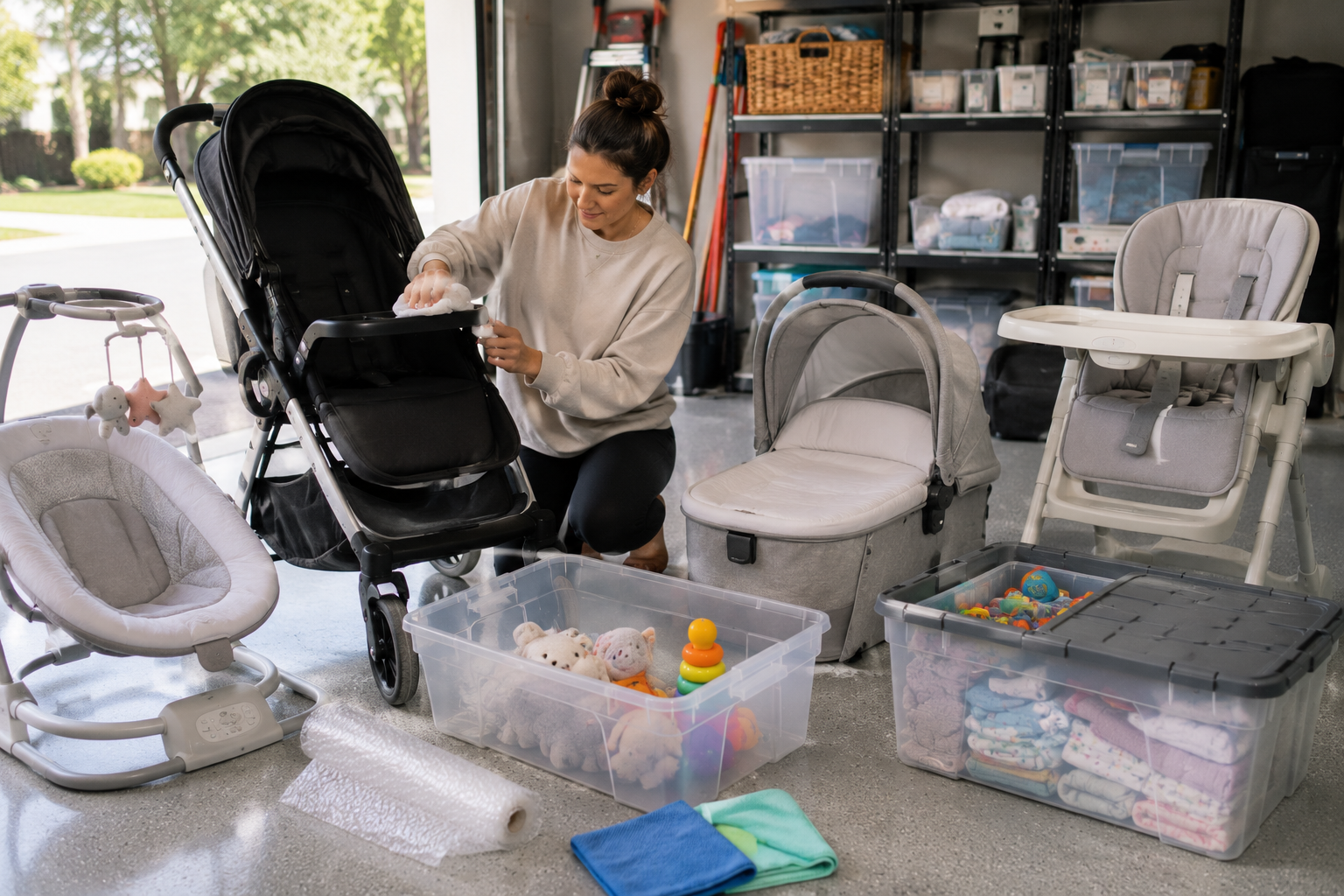
Babies grow quickly, and before you know it, the bassinet, stroller, high chair, and tiny clothes are no longer needed. While it may be tempting to donate or sell everything, many families keep baby gear for a future child or pass it along to relatives. The challenge is finding a way to preserve these items without letting them take over your home. Self-storage is one of the easiest ways to keep bulky baby gear protected while freeing up valuable living space. Whether you're storing items for a year or several years, proper preparation helps ensure they're clean, safe, and ready when you need them again. Why Proper Storage Matters Baby gear is an investment. Strollers, cribs, swings, carriers, and feeding equipment often cost hundreds or even thousands of dollars to replace. Storing them correctly can extend their lifespan and reduce unnecessary waste. Research published in the Journal of Environmental Psychology has also found that cluttered living environments can increase stress and reduce people's ability to focus. Moving infrequently used items into organized storage units can create a more functional and relaxing home while keeping important belongings accessible for the future. Start by Sorting Everything  Before packing anything away, divide your baby items into categories.

By Frank Bruechner • October 10, 2026
Choosing a self storage unit often seems straightforward. Many people assume that if everything technically fits inside the unit, they've selected the right size. In reality, choosing a storage unit that's too small can create unnecessary stress, increase the risk of damaged belongings, and even cost more over time.  Whether you're storing household furniture during a move, seasonal decorations, business inventory, or a recreational vehicle alongside personal belongings, selecting the proper amount of storage space matters. The right unit should provide enough room to hold your items while keeping them organized, accessible, and protected. This guide explains what happens when you underestimate your storage needs, how to avoid common sizing mistakes, and why The Storage Advantage offers flexible self storage options designed for a wide variety of storage situations.