Indoor vs. Outdoor Parking: Which Is Best for Your Vehicle?
Josh Neimark • December 31, 2025
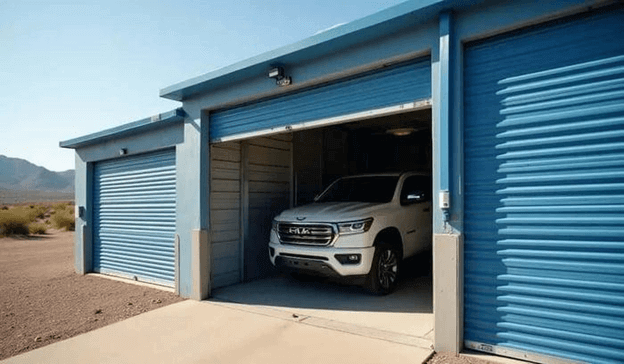
Indoor vs. Outdoor Parking: Which Is Best for Your Vehicle?
Indoor vs. Outdoor Parking: Which Is Best for Your Vehicle?
When it comes to protecting your vehicle and preserving its condition, your choice of storage matters. Whether you're storing a car, RV, boat, or trailer, the decision often boils down to this: indoor vs. outdoor parking, or even a covered parking option as a middle ground. Each type of vehicle storage option offers unique benefits and drawbacks. This guide breaks down the differences so that you can make the best decision for your vehicle, your budget, and your long-term needs.Why Vehicle Storage Matters
Limited driveway space, HOA rules, or harsh weather can make home parking impractical. That's where vehicle storage options , like those offered at The Storage Advantage , come in. Storing your vehicle off-site helps you: Protect against weather damage Free up space at home Reduce the risk of theft or vandalism Maintain resale value Whether you're storing a boat for winter, parking an RV between road trips, or keeping a second car secure, the right storage option will give you confidence that your vehicle is safe and accessible.Understanding the Options: Garage, Covered, or Outdoor?
There are three main types of vehicle storage:1. Indoor Storage (Garage Parking)
Indoor storage means your vehicle is housed inside a fully enclosed garage-style unit, sometimes with climate control. This is often the most protective and secure option.Pros
Complete protection from weather and UV rays Enhanced security Climate-controlled options available Preserves vehicle condition long-termCons
More expensive Limited size availability for RVs or trailers May require booking due to demand2. Covered Parking
Covered parking is an outdoor option with overhead protection, like a carport or canopy, to shield your vehicle from direct sunlight and precipitation.Pros
More affordable than indoor Some protection from the weather Great for short- to medium-term storage Accommodates large vehicles like boats and RVsCons
Still exposed to temperature swings Less secure than indoor garage parking Limited availability depending on the facility3. Outdoor Parking
This open-air option is ideal for large vehicles or budget-conscious customers. Vehicles are parked in a secure lot, either paved or gravel.Pros
Most affordable option Plenty of space for large vehicles Easy drive-up accessCons:
No protection from the weather Exposed to UV, rain, snow, and debris Requires a quality vehicle coverWhat to Look for in a Parking Storage Facility
When comparing vehicle storage options , consider the following factors:| Feature | Why It Matters |
| Security | Look for gated access, bright lighting, fencing, and on-site management. While not every facility offers round-the-clock monitoring, these essentials help keep your vehicle safe. |
| Access | Consider how often you'll need to retrieve your vehicle and check facility hours. |
| Size Availability | RVs, boats, and trailers may require extra-long or wide spaces. |
| Surface Type | Paved lots are preferred for long-term parking; gravel is typical but may be uneven. |
| Drainage | Proper lot drainage prevents water pooling under your vehicle. |
| Climate Control | For long-term storage or sensitive interiors, choose a climate-controlled indoor unit. |
Quick Comparison Table
| Feature | Garage Parking (Indoor) | Covered Parking | Outdoor Parking |
| Protection Level | ★★★★★ | ★★★☆☆ | ★★☆☆☆ |
| Typical Monthly Cost | $$$ | $$ | $ |
| Weather Shielding | Full | Partial | None |
| Security | Excellent | Good | Moderate |
| Best for | Classic cars, long-term storage | Boats, RVs, seasonal vehicles | Trailers, short-term vehicle storage |
Seasonal Considerations
When storing your vehicle, seasonal conditions matter:Winter
Indoor or covered parking protects against ice, snow, and battery drain.Summer
Covered or climate-controlled options prevent heat damage and fading.Rainy Seasons
Avoid prolonged moisture exposure with indoor or covered storage.Pro tip
Always use a breathable vehicle cover if storing outdoors for more than a few days.Storage Prep Checklist
Before placing your vehicle into storage, follow these steps: Wash and wax the exterior Check and inflate tires Top off fluids and add fuel stabilizer Disconnect or trickle-charge the battery Remove valuables and paperwork Use a vehicle cover (especially outdoors) Close windows and the sunroof tightly For boats/RVs: winterize and drain systems These steps protect your vehicle from corrosion, flat spots, mildew, and electrical drain.Common Use Cases
| Vehicle Type | Ideal Storage Option | Why |
| Classic Car | Indoor | Keeps it pristine and secure |
| Boat | Covered or Outdoor | Affordable and easy to access |
| RV or Camper | Covered or Outdoor | Size flexibility and lower cost |
| Motorcycle | Indoor | Sensitive to weather and moisture |
| Work Trailer | Outdoor | Easy access, no need for full enclosure |
| Daily Driver (second car) | Outdoor (short-term), Indoor (long-term) | Outdoor for convenience, indoor for protection |
The Storage Advantage Difference
At The Storage Advantage , we provide a wide range of vehicle storage solutions to match your needs: Indoor garage parking Covered outdoor parking Open-air parking spaces Climate controlled storage for sensitive vehicles Easy drive-up access and secure gated locations Explore our growing network of storage facilities: The Storage Advantage ModBox Storage Storage Depot Your Premier Storage Trilink Storage We make it easy to store your vehicle safely and conveniently.FAQs: Indoor vs. Outdoor Parking
Is indoor parking worth the extra cost?
Yes, if you're storing a high-value vehicle, have climate-sensitive equipment (like in RVs), or plan for long-term storage. Indoor storage helps preserve the vehicle's condition, reducing maintenance and protecting your investment.What's the difference between covered and indoor parking?
Indoor parking is fully enclosed (like a garage) and offers complete protection from weather and temperature swings. Covered parking shields vehicles from rain and sun but leaves them exposed to open air and humidity. Choose indoor for maximum protection, or opt for covered for a balance of cost and coverage.Can an RV fit in indoor storage?
It depends on the facility. Some locations offer extra-large enclosed units that can accommodate Class B or C RVs, but Class A RVs may require outdoor or covered parking due to size. Always check unit dimensions before booking.Which Is Right for You?
Choosing between indoor, covered, and outdoor parking comes down to a few key questions: How valuable is the vehicle? How long will you be storing it? What is your budget? How important is protection from the elements? No matter your answer, The Storage Advantage has a solution that fits. We specialize in secure, flexible, and affordable vehicle storage options to give you peace of mind.Ready to Reserve Your Parking Space?
Explore all your vehicle storage options at https://thestorageadvantage.com. Whether it's an RV, boat, trailer, or car, your vehicle is in good hands with The Storage Advantage.'
Is Your Gas-Powered Equipment Sitting Idle? Here’s How to Store It Safely and Keep It Running Strong
By Alicia Aguirre
•
April 13, 2026
Discover how to store gas-powered equipment the right way. Learn fuel tips, cleaning methods, and storage strategies to protect your tools year-round.

By Alicia Aguirre
•
April 13, 2026
Curious about how much it costs to store a boat per month? Explore average prices, storage types, and tips for boat owners across the U.S.